
Last updated November 24, 2026
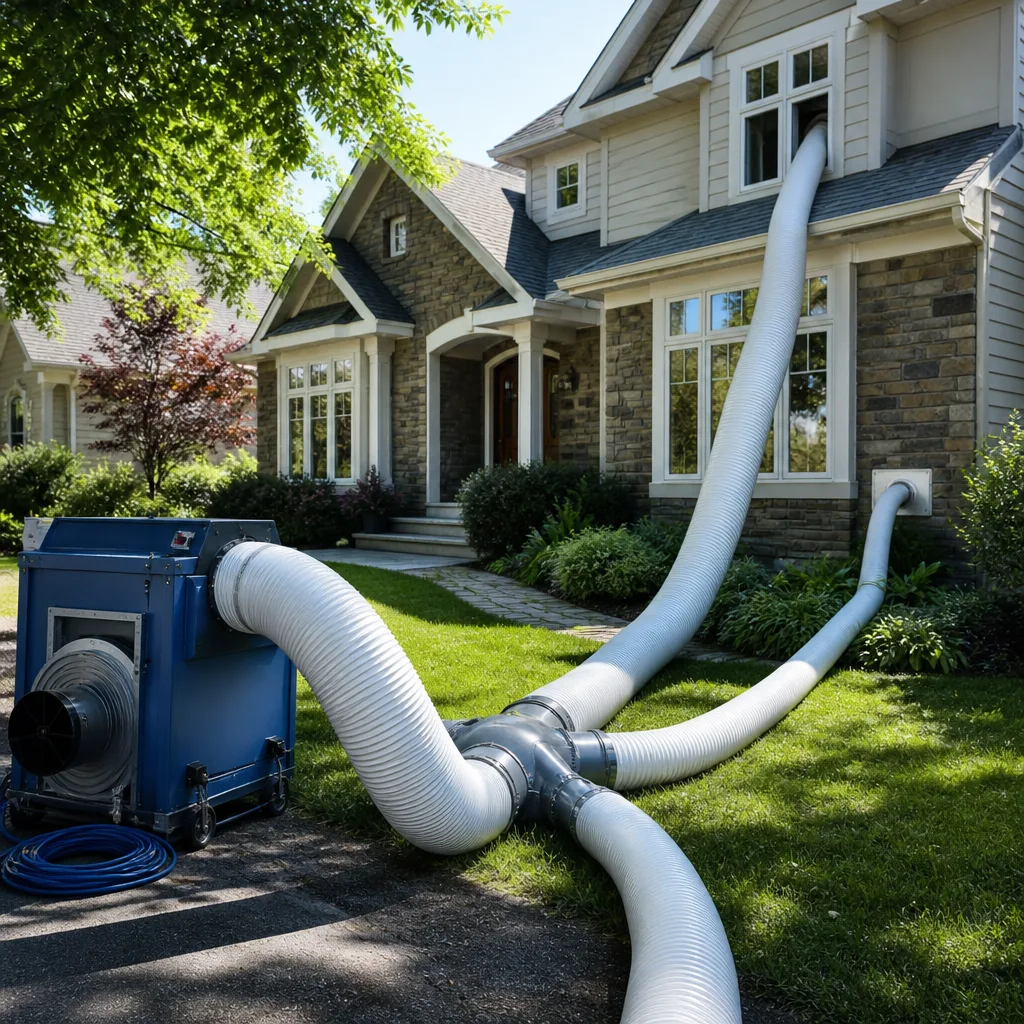 Whole-home duct cleaning
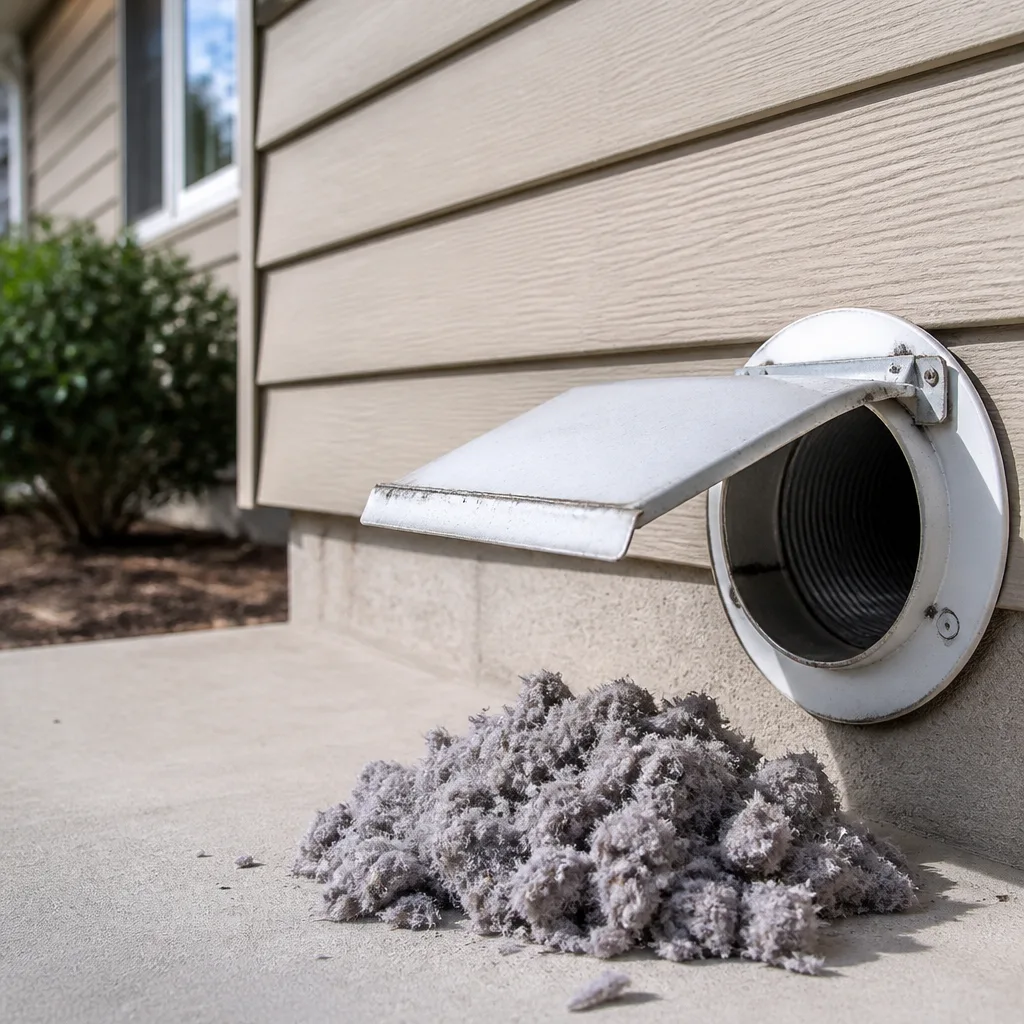 Dryer vent cleaning
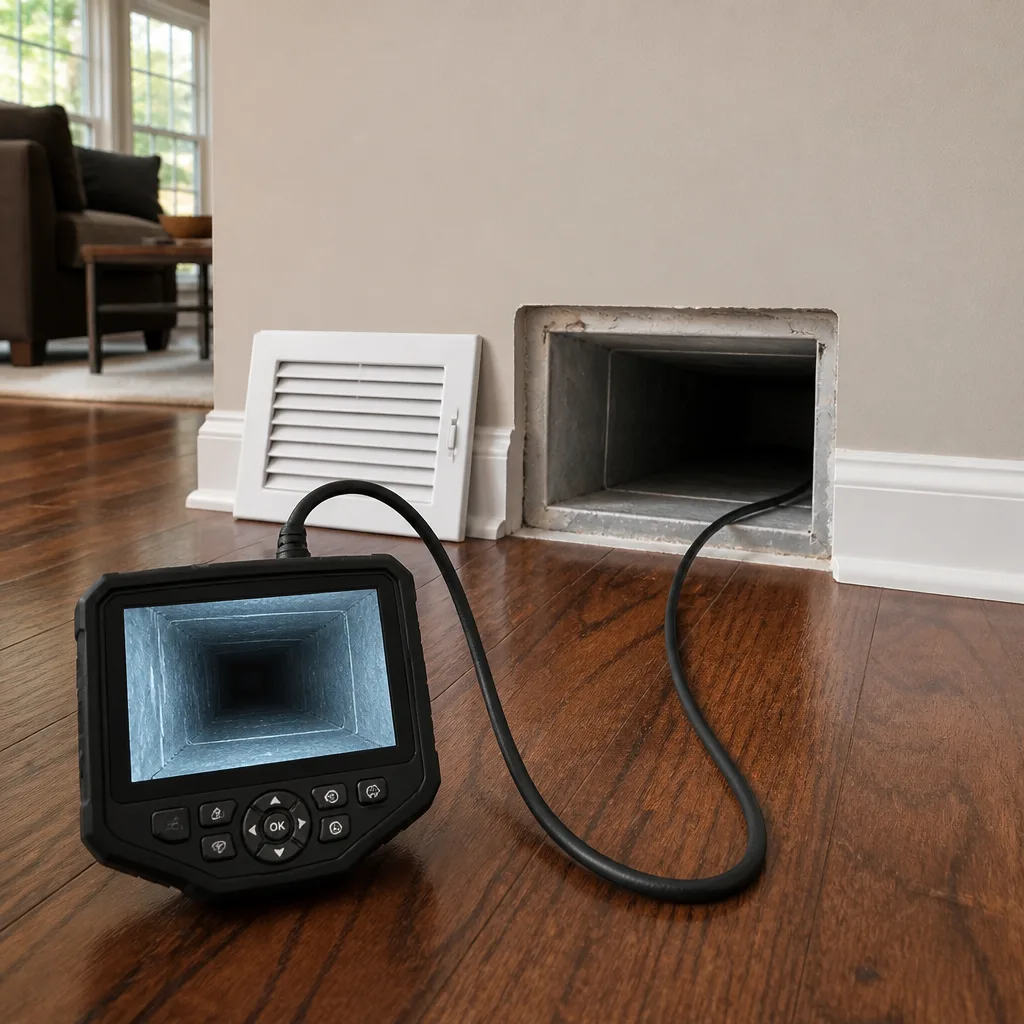 Camera inspection
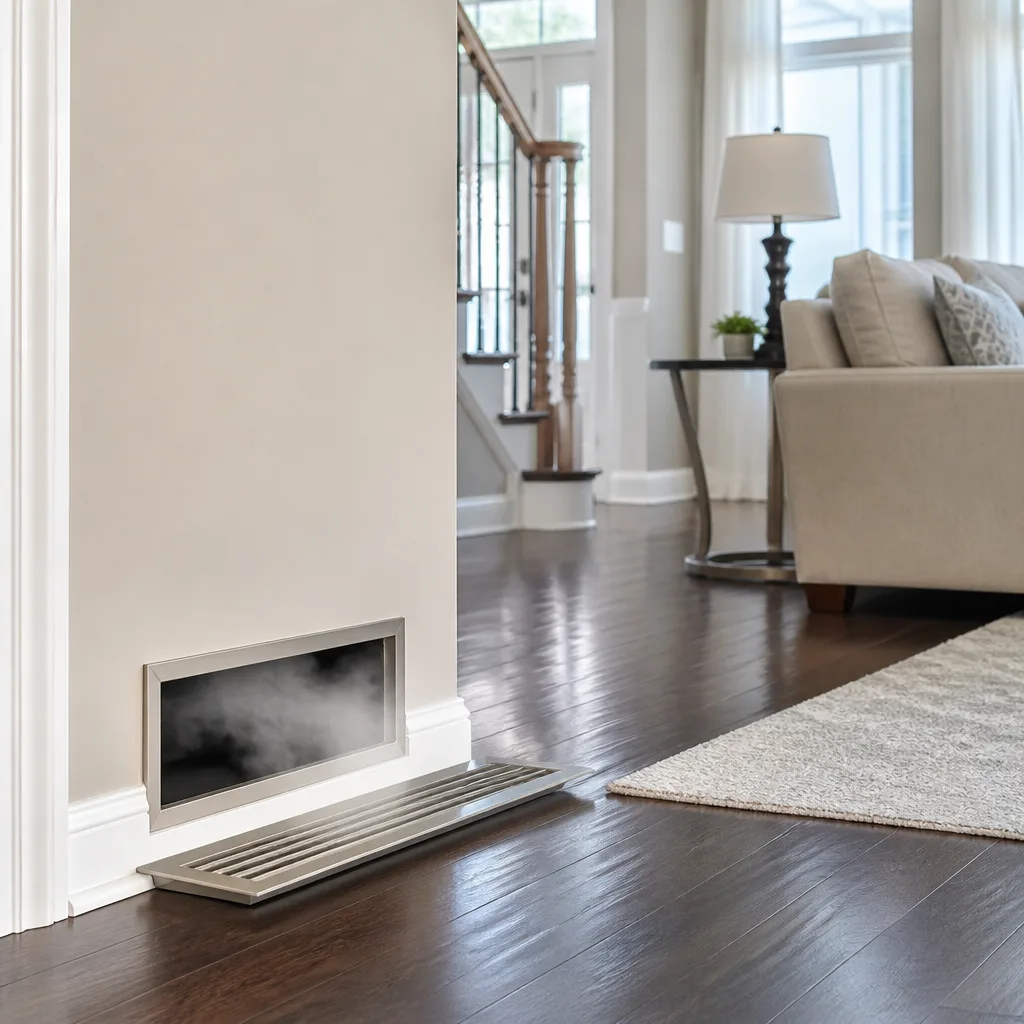 Sanitizing & deodorizing
Whole-system duct and dryer vent check with before-and-after photos - you see exactly what came out of your vents
That "$99 whole-house special" is a bait ad - the real number appears once they are in your hallway, or the "clean" is a shop-vac at the register. We photograph the inside of your ducts before and after instead.
The Complete Guide to Air Duct Cleaning in French Park
Most duct cleaning guides describe your ducts as if they were a single pipe running through the house. That framing is the reason so many homeowners pay for a cleaning and still get the same dusty, musty air a week later. Your ducts aren’t a pipe. They’re one segment of a pressurized system – supply runs, return runs, the plenum, the air handler, and the evaporator coil all move and condition the same air. Clean one part and leave the rest, and you’ve brushed one tooth. This guide maps the whole air pathway, explains why French Park’s heat, dry air, and wildfire smoke seasons create contamination patterns that differ from coastal California homes, and gives you a clear decision framework for when to clean, when to seal, and when to replace.
Quick Answer
Air duct cleaning in French Park means cleaning the entire air pathway – supply ducts, return ducts, plenum, air handler, and coil – under negative pressure with professional equipment, not just vacuuming the registers. It’s worth doing when you see visible dust buildup, smell mustiness, notice rising dust in the home, or have had recent renovation or pest activity. Cleaning alone won’t fix a leaking duct system; sealing and repair are often needed to stop re-contamination.
Styles & brands we work with
- Whole-home duct cleaning
- Dryer vent cleaning
- Camera inspection
- Sanitizing & deodorizing
Table of Contents
- The Complete Air Pathway: What Most Cleaners Never Touch
- Why French Park’s Climate Creates Different Contamination Patterns
- What Contractor-Grade Equipment Does That a Shop Vacuum Cannot
- When Cleaning Alone Isn’t Enough: Sealing and Repair
- When to Clean, When to Seal, When to Replace
- What a Full-System Job Actually Involves
- What Air Duct Cleaning Costs and What Changes the Price
- Common Mistakes to Avoid
The Complete Air Pathway: What Most Cleaners Never Touch
Your HVAC system is a closed loop. Air gets pulled from every room through return ducts, passes through the filter and the air handler, moves over the evaporator coil where it’s cooled and dehumidified, then gets pushed back out through supply ducts into the rooms. Every part of that loop is in contact with the same air, and every part accumulates some of the same debris. Cleaners who focus only on the visible ductwork leave the most contaminated sections untouched.
Here’s how we break down the pathway and why each segment needs its own assessment:
- Return ducts. These carry the dirtiest air – the air that’s already picked up dust, dander, and cooking particles from every room. Return runs are often the most heavily loaded part of the system, and they’re frequently the least accessible.
- Supply ducts. These deliver conditioned air. They accumulate less debris than returns but are more vulnerable to condensation-related moisture if insulation has failed, which is where microbial growth tends to start.
- Plenum. The large box connecting the air handler to the duct trunk. Plenums are usually built from sheet metal or duct board and are common sites for leaks and gaps that pull in attic or crawlspace air. A cracked plenum leaks unfiltered air into the supply stream.
- Air handler. The blower and cabinet assembly. A dirty blower wheel moves less air, which means higher energy use and uneven cooling. The interior of the cabinet is a debris trap most cleaning quotes skip entirely.
- Evaporator coil. The A-frame or slab coil where refrigerant absorbs heat. A fouled coil loses capacity and can grow biological material on the wet fins. Coil cleaning requires specific access and is a separate task from duct cleaning.
In our experience, the diagnosis matters more than the cleaning. A homeowner in French Park with dusty air and rising electric bills might have a loaded return trunk, or might have a leaking plenum, or might have both. Only an inspection of every segment tells you which. And the leakage problem doesn’t go away after a cleaning – it’s the reason the ducts get dirty fast in the first place.
Why French Park’s Climate Creates Different Contamination Patterns
Duct contamination isn’t the same everywhere. A coastal California home with marine air and moderate temperatures accumulates moisture differently than a French Park home that sees long, hot, dry summers and recurring wildfire smoke seasons. Understanding those differences tells you what to look for and what the cleaning should actually remove.
French Park’s climate affects your ductwork in three distinct ways:
Heat and extended cooling season
When the cooling system runs hard for months, the evaporator coil stays wet for long stretches and the air handler moves a high volume of air through the system. That combination drives dust into the return while keeping the coil damp – the coil is where biological growth becomes possible if the condensate isn’t draining properly or the filter isn’t doing its job. A clogged filter during peak summer forces the blower to pull harder, which increases the negative pressure in the return and pulls debris in through any gap in the ductwork.
Dry air and dust loading
Low humidity for much of the year means fine dust stays airborne longer and settles into the return system rather than sticking to surfaces. In French Park, homes with pets, carpeting, or nearby construction see return ducts load up faster than a homeowner might expect. If your filter is a basic fiberglass panel, it’s catching very little of that fine particulate and passing the rest into the coil and supply runs.
Wildfire smoke seasons
Smoke intrusion is a real seasonal concern across much of inland Southern California, and French Park is no exception. Smoke particles are extremely small and can enter through gaps in ductwork, around the filter frame, and through the air handler cabinet – not just through open windows. After a heavy smoke season, duct interiors can carry smoke odor and fine particulate that cleaning alone may not fully address. This is where a sanitizing treatment applied to duct interiors, combined with tighter filtration, makes a practical difference. We integrate Aprilaire filtration and Honeywell air-quality components into the service so filtration upgrades happen alongside the cleaning rather than as a separate project.
None of this means every French Park home needs cleaning every year. It means the diagnosis should account for what the local climate does to your system, because the answer differs from what a generic out-of-area crew will tell you.
What Contractor-Grade Equipment Does That a Shop Vacuum Cannot
The single biggest difference between a serious duct cleaning and a quick one is the equipment. A shop vacuum pulls a small amount of air and creates almost no real negative pressure in the duct runs, so it stirs up debris without capturing it – some of which ends up settling back into the system or drifting into living space. Contractor-grade equipment works the other way: it creates strong continuous negative pressure so the duct is under suction during the entire cleaning, and the loosened debris has nowhere to go but into the collection unit.
Here’s the practical comparison:
| Task | Shop vacuum + hand brush | Rotobrush + Nikro HEPA system |
|---|---|---|
| Airflow through duct | Very low; minimal containment | High-volume negative pressure holds the duct under suction |
| Debris removal method | Surface vacuuming, hand agitation | Rotary brush agitates the full duct wall while extraction pulls debris out |
| Particulate capture | Basic filter, fine dust escapes | HEPA-rated filtration captures fine particulate at the collection point |
| Coverage per run | Reaches where the brush can see | Rotary brush drives the full length of each run |
| Containment for mold or allergen work | Not designed for it | Negative-air machines keep the work zone contained |
The Rotobrush rotary-brush extraction system is what we run on every duct cleaning job. It combines a rotating brush head that scrubs the duct wall in all directions with a high-volume vacuum that extracts the loosened debris simultaneously. The Nikro HEPA-rated vacuum equipment handles the capture side, so fine particulate is filtered out rather than redistributed. Together they clean the entire run, not just the section a hand brush can reach through a register opening.
For contamination-sensitive situations – mold, heavy allergen buildup, or a system that’s been exposed to smoke or pest activity – we bring in Abatement Technologies negative-air equipment. These machines create containment-grade pressure differentials around the work area so that biological material and fine particulate stay contained during the job, rather than being pulled through the house while the cleaning is underway. That capability isn’t common among general cleaning crews, and it’s the difference between a cleaning that improves your air and one that simply moves the problem around.
When Cleaning Alone Isn’t Enough: Sealing and Repair
Here’s the part most cleaning quotes leave out: you can clean a duct system thoroughly and have it re-contaminate within weeks if the system leaks. Duct leakage works two ways. It lets conditioned air escape before it reaches a room (so you pay to cool the attic instead of the living room), and more importantly, it lets unfiltered air get pulled in through cracks in the return side. Every leak is a bypass around your filter. A dirty bypass means everything downstream of it gets dirty again – including the coil and the supply runs you just cleaned.
Common leak sites we find when we inspect the pathway:
- Plenum seams and connections. The joint where the air handler meets the duct trunk is often sealed with tape that has dried and failed, or with nothing at all. A cracked or loose plenum pulls attic or closet air directly into the supply stream.
- Boot connections at registers. The point where the duct transitions to the floor or ceiling register is a frequent gap, especially in older construction.
- Flex duct joints and tears. Flexible duct runs are prone to separation at fittings and to tearing against framing members. A sagging flex run also restricts airflow, which raises static pressure and forces the blower to work harder.
- Return chases. In French Park homes where the return is built into a wall cavity or framing chase, an uninsulated or unsealed chase can pull air from the attic space rather than from the rooms where the return grilles are.
- Disconnected runs. Occasionally a supply run has come fully loose in the attic and is discharging conditioned air into the attic while the room it was meant to serve gets nothing. This is a straightforward repair once found, but it’s invisible without inspection.
Our approach is to handle repair and sealing in the same visit as the cleaning, right after the inspection – because a seal applied to a clean duct is the seal that lasts. We don’t hand you a cleaning invoice and a separate “come back later” repair estimate that you may never act on. The cleaning, the sealing, and the duct repair happen together, and you get before-and-after photos of the work so you can see exactly what was sealed and what was cleaned.
When to Clean, When to Seal, When to Replace
Every homeowner eventually faces this question, and the honest answer depends on three things: how old and what type of ductwork you have, what the contamination actually is, and whether the system is structurally sound. Here’s the framework we use:
- Clean when contamination is present but the system is structurally sound. Visible dust accumulation in returns, musty odor, recent renovation dust, pest activity, or a heavy smoke season are all reasons to clean. If inspection shows sound ductwork and no significant leakage, cleaning plus filtration upgrades usually resolves the issue.
- Seal when leakage is the root cause. If inspection finds gaps at the plenum, boots, or connections, or if a duct-blaster-style pressure test (where available) shows significant leakage, sealing should happen alongside the cleaning. Sealing addresses the efficiency loss and the re-contamination pathway in one step.
- Repair when a run or assembly has physically failed. Torn flex duct, a disconnected run, a crushed section, or a deteriorated plenum gets repaired – not just cleaned. A damaged duct will keep bypassing the filter no matter how thoroughly it’s cleaned.
- Replace when ductwork is failing structurally or material is unsuitable. Older duct board that has absorbed moisture, ductwork with widespread interior deterioration, or rigid duct that has rusted through is often better replaced than repaired. This is a bigger decision, and it’s worth getting a clear written scope before committing.
- Treat with sanitizing when contamination is biological or odor-related. After cleaning, a Guardsman-grade sanitizing treatment applied to the duct interiors handles residual microbial growth and lingering odor, which comes up most often after smoke seasons or after a moisture event.
The framework matters because the wrong choice wastes money. Cleaning a leaky system means you’ll be cleaning it again sooner than you should. Replacing a system that just needed sealing is an oversized bill. And skipping the inspection means you don’t actually know which situation you’re in.
What a Full-System Job Actually Involves
A full-system cleaning follows a sequence. Here’s what a proper job looks like from start to finish, so you know what to expect when the technician arrives:
- Walkthrough and inspection. Identify the equipment type, count and locate the supply and return runs, check the filter, inspect the plenum and air handler, and note any visible leakage, damage, or contamination.
- Set up containment and negative pressure. The extraction equipment is connected at a strategic point on the system so the entire duct network is under continuous negative pressure. Registers and openings are temporarily sealed.
- Mechanical agitation and extraction, run by run. The Rotobrush rotary brush drives through each supply and return run while extraction captures the loosened debris. This is the core of the job, and it’s why whole-run coverage matters – every branch gets the same treatment.
- Air handler and coil assessment. Blower wheel and cabinet interior are cleaned, and the coil is inspected. A fouled coil gets addressed as part of the HVAC cleaning portion of the job rather than left as a separate recommendation.
- Repair and sealing. Any gaps, tears, or disconnected runs found during the process get repaired and sealed before the ductwork is closed back up.
- Sanitizing, where appropriate. A Guardsman-grade sanitizing treatment is applied to the duct interiors when contamination type or odor calls for it.
- Final check and photos. The system is returned to service, and before-and-after photos of the cleaned and sealed work are provided to the homeowner.
Because we handle all five services – air duct cleaning, dryer vent cleaning, HVAC cleaning, duct repair and sealing, and air quality and sanitizing – a single visit can resolve every air-pathway issue in the home rather than leaving the coil, the dryer vent, and the sealing as separate future projects. That matters to French Park homeowners who don’t want to coordinate four contractors for one system.
What Air Duct Cleaning Costs and What Changes the Price
Air duct cleaning is priced per system, not per vent, and the written estimate sets the final price before work starts. A typical whole-system cleaning for a single-family French Park home ranges from roughly $350 to $700 depending on the number of runs, system size, and whether the air handler and coil are included. Adding sealing, repair, or sanitizing changes the scope and the estimate.
| Service | Typical cost range |
|---|---|
| Full-system air duct cleaning (supply + return + air handler) | ~$350 – $700 |
| Air duct cleaning + sealing of plenum, boots, and connections | ~$500 – $1,100 |
| HVAC cleaning (blower, cabinet, coil) | ~$150 – $450 |
| Dryer vent cleaning | ~$100 – $250 |
| Sanitizing treatment after cleaning | ~$100 – $250 |
What changes the price on a French Park job specifically:
- Number of runs. A larger home with 14 supply runs takes longer to clean than one with 8. This is the biggest driver of the whole-system price.
- Access difficulty. Ducts run through sloped ceilings, tight attic spaces, or finished walls take more time to reach and clean properly. Access is a real cost driver, not a sales add-on.
- Contamination level. Heavy buildup – after a smoke season, after pest activity, or in a system that has never been cleaned – takes more passes and may need the negative-air equipment on site.
- Repair and sealing scope. A single leaking boot is a quick fix; a failed plenum and several disconnected flex runs is more involved. The estimate itemizes what’s being repaired.
- Filtration upgrades. Aprilaire and Honeywell air-quality products add to the total but reduce future cleaning frequency and improve baseline air quality.
If a quote sounds dramatically lower than these ranges, ask what it includes. A per-vent price with a coupon headline often covers only a fraction of the pathway and leaves the coil, the plenum, and the sealing out entirely.
Common Mistakes to Avoid
- Cleaning only the visible ducts. Many quotes cover the supply runs and skip the returns, plenum, and air handler. The returns carry the dirtiest air, so this leaves the biggest source of contamination untouched. Ask exactly which segments are included in writing.
- Skipping the inspection. A cleaning without an inspection can leave a cracked plenum or disconnected run in place, which re-contaminates the system almost immediately. In our experience, the inspection drives the scope, not the other way around.
- Trusting a per-vent price. A per-vent price can be quoted low to win the job and then grow once the technician is on site. Insist on a flat price per system, agreed before work starts.
- Cleaning a leaking system without sealing. If the ductwork leaks, the cleaning is a temporary fix. Every leak bypasses the filter, which means the ducts you just cleaned are already refilling with unfiltered air.
- Using a shop vacuum to clean ducts. A shop vacuum stirs debris without containment. Fine particulate ends up back in your living space, which is worse for air quality than leaving the debris undisturbed.
- Waiting for a smell. By the time a musty odor reaches the living space, the contamination is usually heaviest in the returns and air handler. French Park homeowners are better served by checking the filter, the return grilles, and the coil on a schedule rather than waiting for a symptom.
- Ignoring wildfire smoke seasons. Smoke particles are small enough to pass through basic filters and enter through duct gaps. After a heavy smoke period, a filter upgrade and a duct inspection are worth more than repeated cleaning of the same system.
See the difference
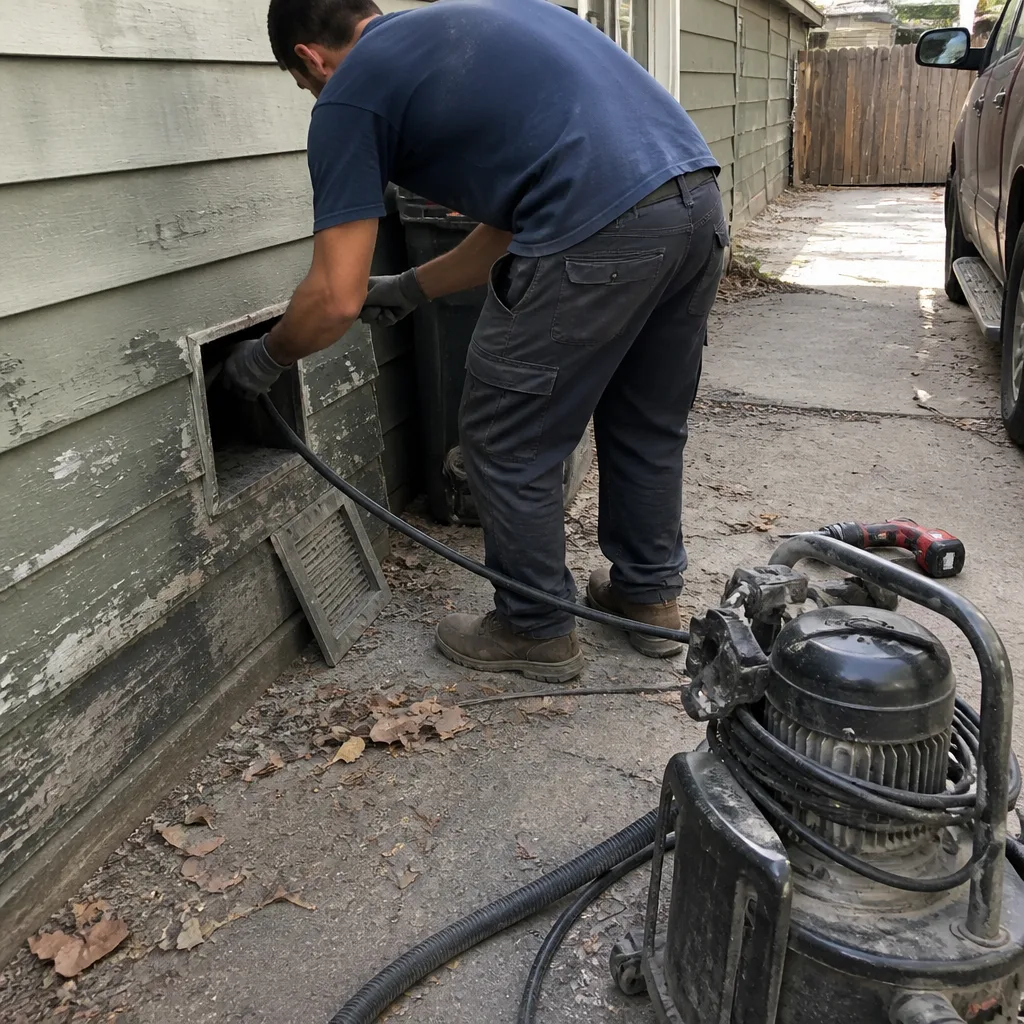 Before
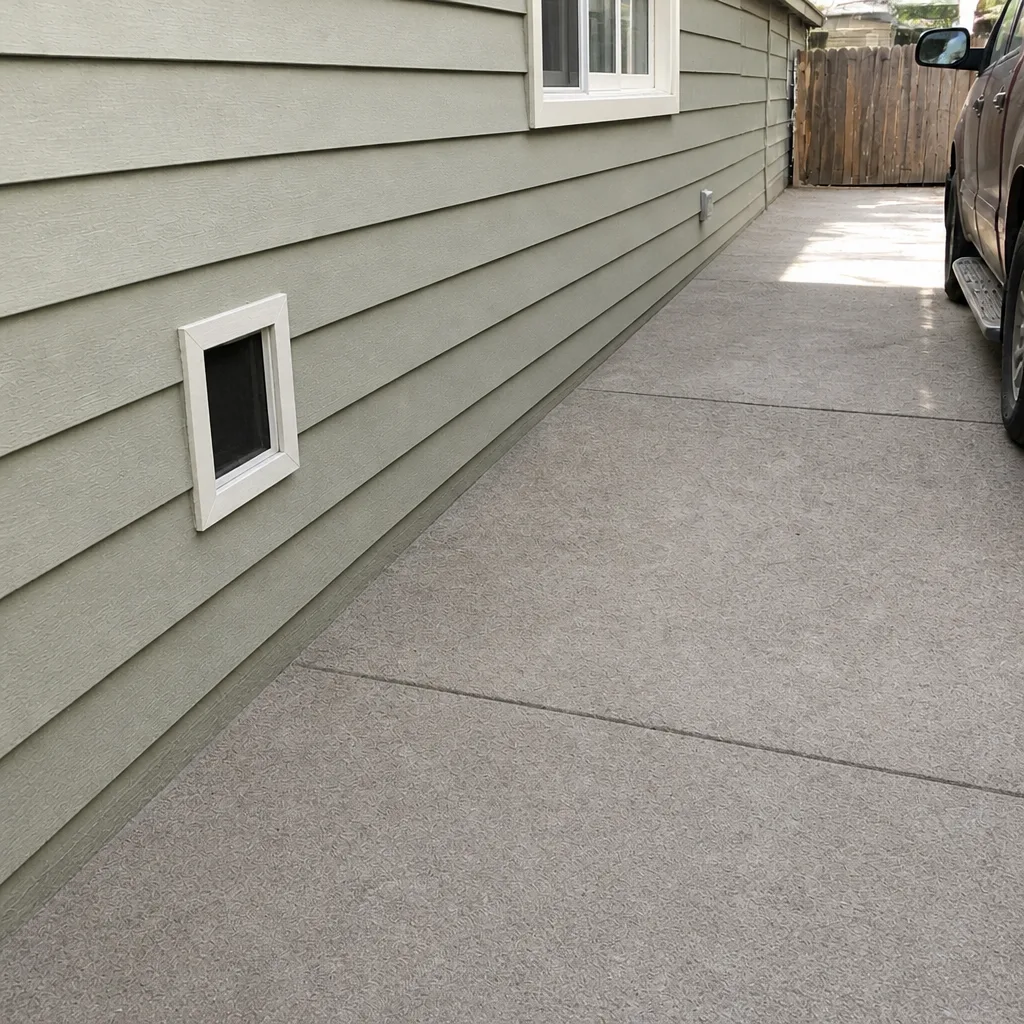 After
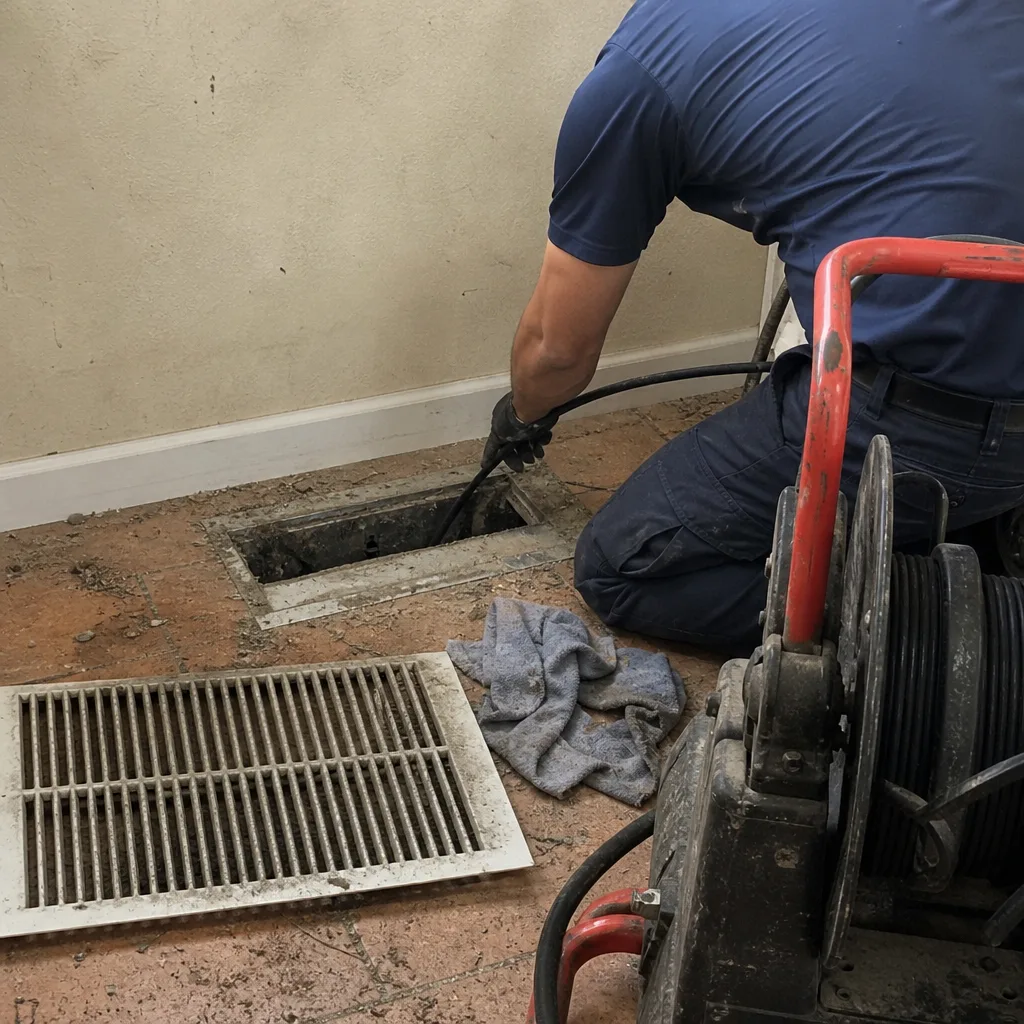 Before
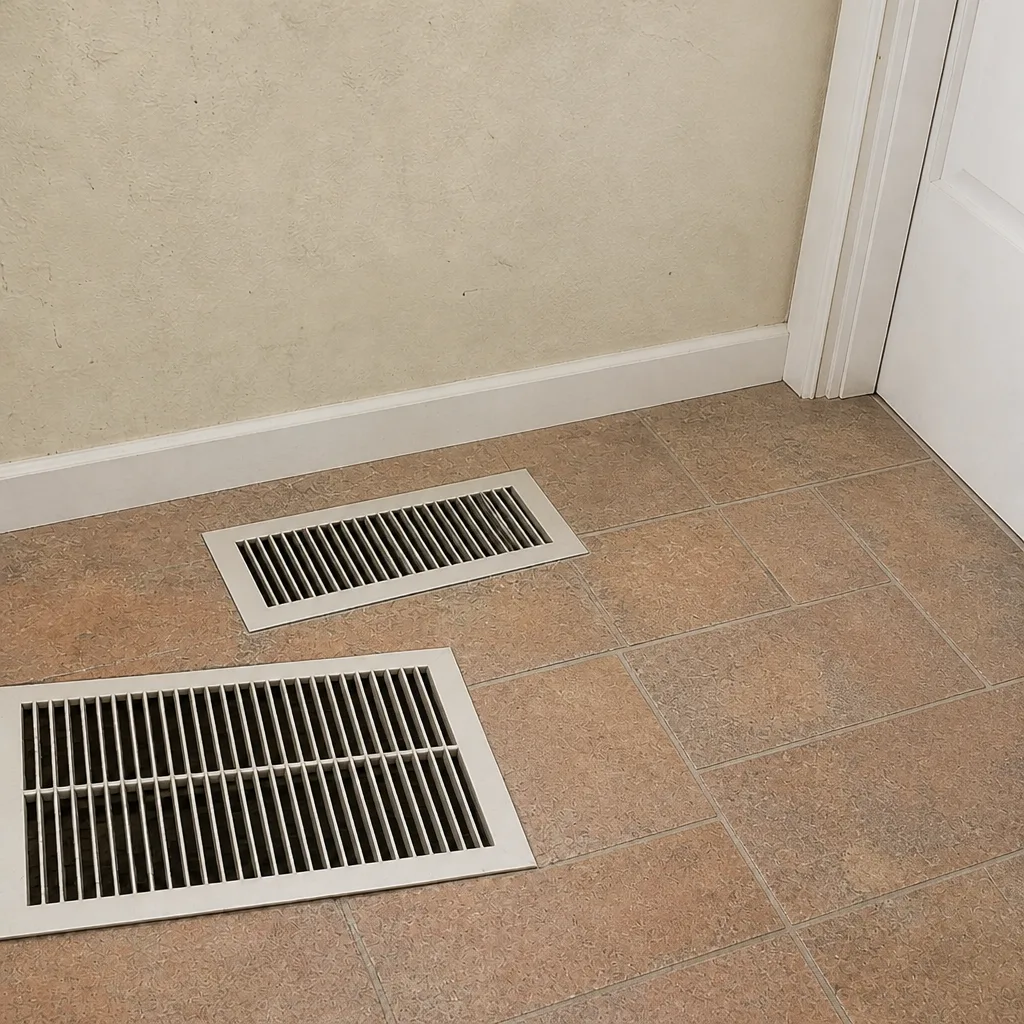 After
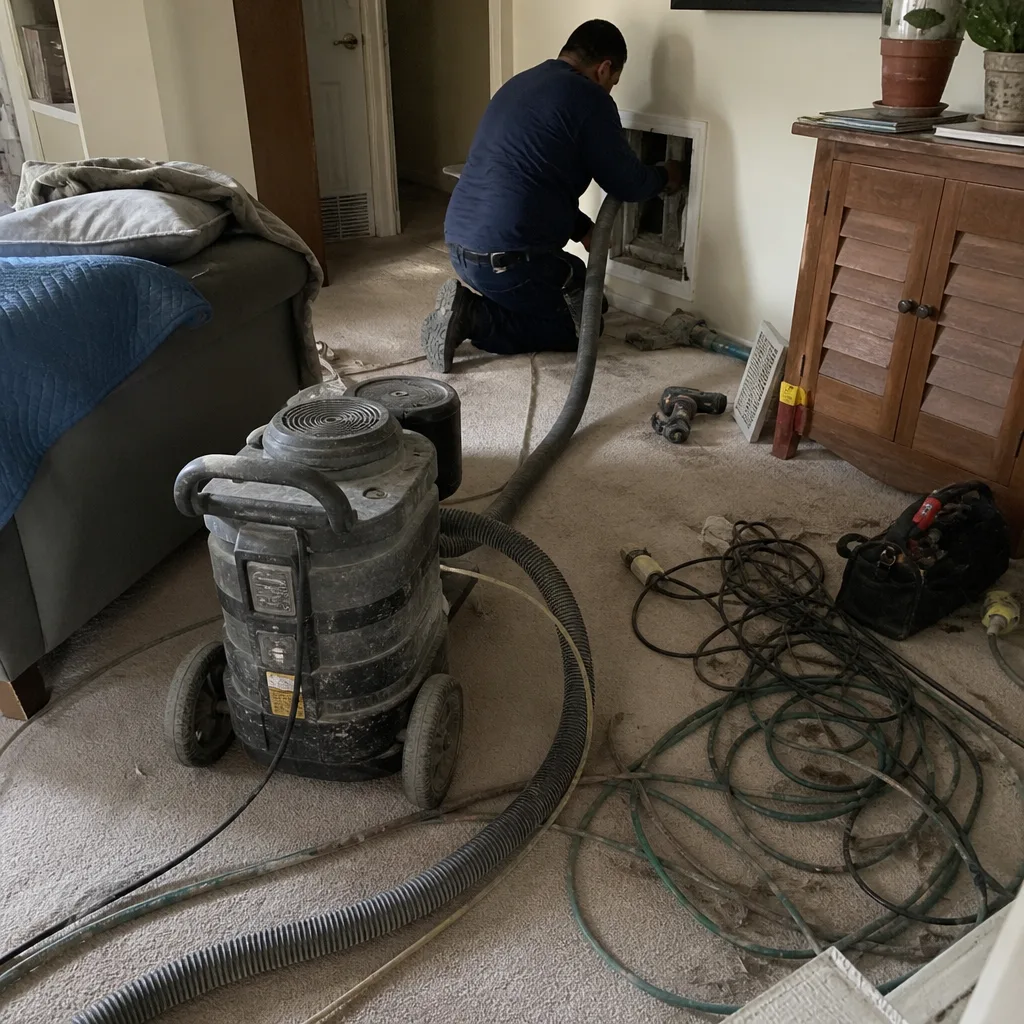 Before
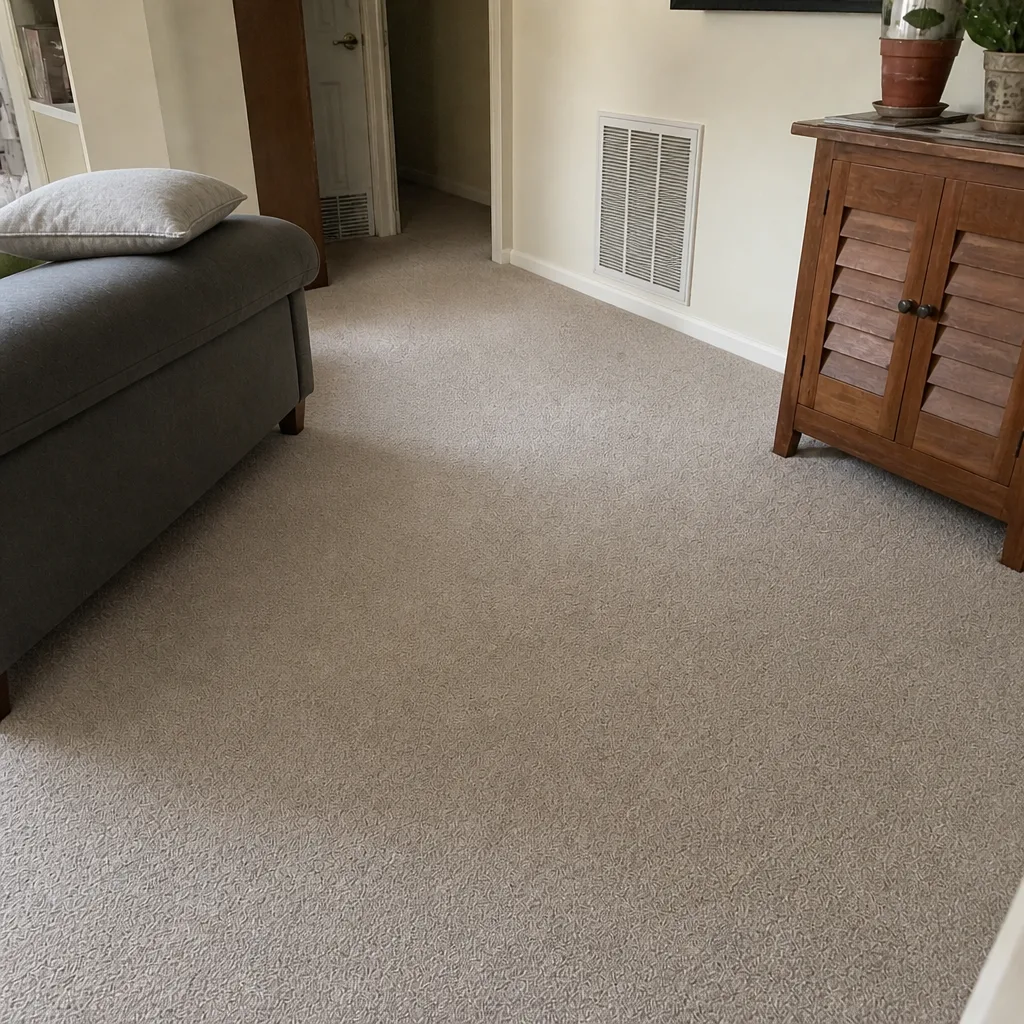 After
When to Call a Professional
Call a professional when you see visible dust or debris inside the registers or in the blower compartment, when you notice a musty or smoke odor that returns after filter changes, or when you smell burning or hear the blower cycling unusually. Call when a room isn’t getting airflow while others are – that often points to a disconnected or crushed run that needs repair, not just cleaning. Call after renovation work, pest activity, or a heavy smoke season, and call when you want to upgrade to a higher-efficiency filter or add humidity control, since that work should happen alongside a cleaning rather than on its own.
Air Duct Cleaning French Park offers free estimates in French Park – call (833) 509-5212. We answer 24/7. Fast dispatch from 7am to 7pm, Sunday through Friday.
Frequently Asked Questions
Air duct cleaning in French Park typically runs about $350 to $700 for a full-system cleaning of supply and return ducts plus the air handler, priced per system rather than per vent. Sealing, HVAC cleaning, or sanitizing adds to the estimate based on scope. Call (833) 509-5212 for an exact quote – estimates are free.
Cheap quotes usually cover less work: they clean the visible supply runs but skip the returns, plenum, air handler, and coil, and they use low-powered equipment that stirs debris rather than containing it. A per-vent price that looks low on paper can grow once the technician is on site. Ask what’s included in writing and insist on a flat price per system. Call (833) 509-5212 for an honest estimate.
Ask for before-and-after photos of your own ducts and plenum taken during the job, and ask which segments were cleaned and which were repaired. A legitimate cleaning includes an inspection at the start and photos at the end. Call (833) 509-5212 to schedule a free estimate and walk through the scope before anyone starts.
Most homes benefit from cleaning every few years, but the honest answer depends on your system. French Park homes with pets, carpeting, or wildfire smoke exposure may need it sooner, and a home with a high-efficiency filter and a sealed duct system can go longer. If your ducts leak or your filter is basic, cleaning more often doesn’t fix the underlying cause. Call (833) 509-5212 and we’ll help you decide based on your system.
If the system is structurally sound and the contamination is dust or odor, cleaning is usually the answer. If inspection finds gaps at the plenum, register boots, or duct connections, sealing should happen with the cleaning – otherwise the system re-contaminates through the leaks. Call (833) 509-5212 for a free estimate; the inspection determines which you need.
Yes, with an important caveat. Cleaning removes smoke particulate that has settled in the ductwork, and a Guardsman-grade sanitizing treatment applied to the duct interiors addresses residual odor. But smoke re-enters through unfiltered gaps, so sealing and a higher-efficiency filter upgrade are usually needed to keep it out. Call (833) 509-5212 to talk through your situation – estimates are free.
The Bottom Line
Your ducts are one segment of a pressurized system, and cleaning them in isolation leaves the cracks in the pathway unaddressed. A full-system approach means inspecting the returns, supply runs, plenum, air handler, and coil, cleaning under genuine negative pressure with professional equipment, and sealing and repairing what the inspection finds. For French Park homes, French Park’s heat, dry air, and smoke seasons make both the cleaning and the sealing work that pays off. Get a written estimate, ask which segments are included, and ask for photos. Call (833) 509-5212. We answer 24/7. Fast dispatch from 7am to 7pm, Sunday through Friday.
For more on the full range of services, see our air duct cleaning French Park page, and for a deeper walk-through of a standard job, see air duct cleaning.
Written by the team at Air Duct Cleaning French Park.