
Last updated November 24, 2026
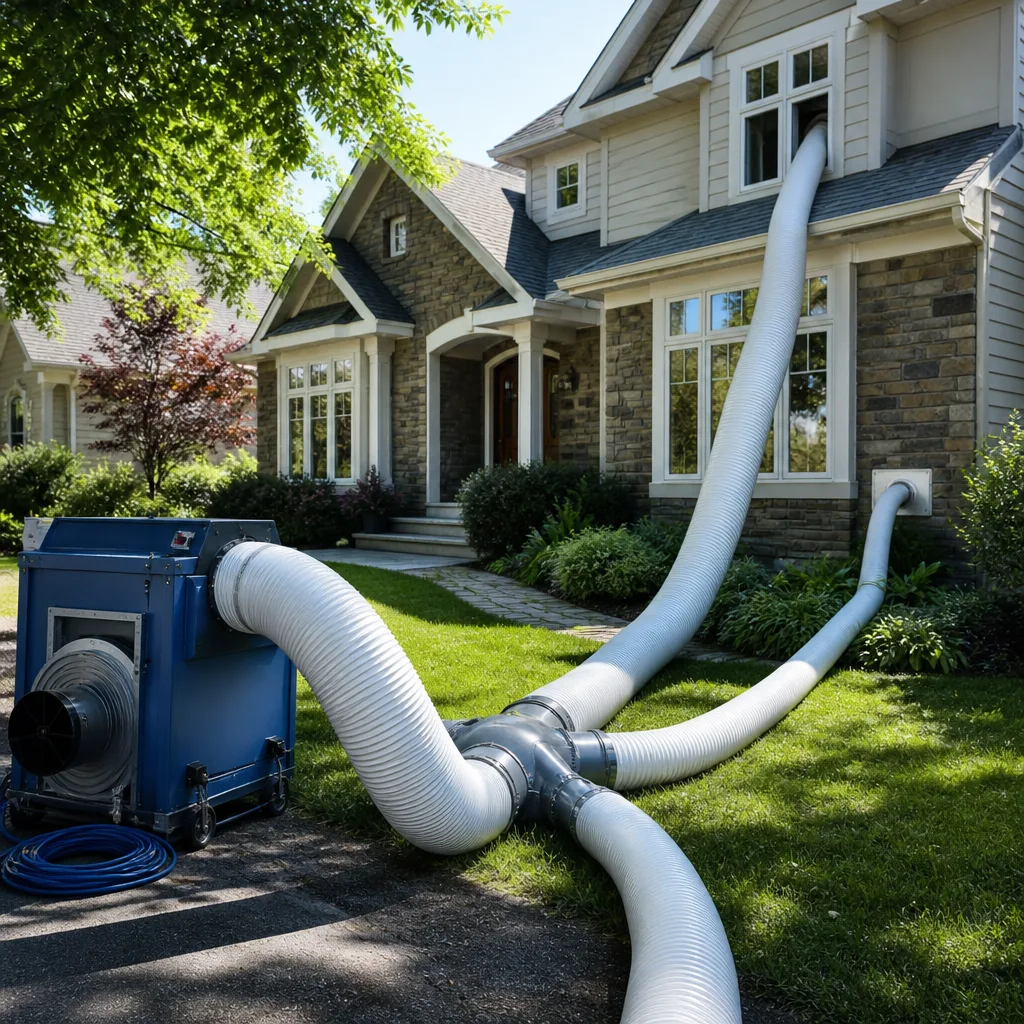 Whole-home duct cleaning
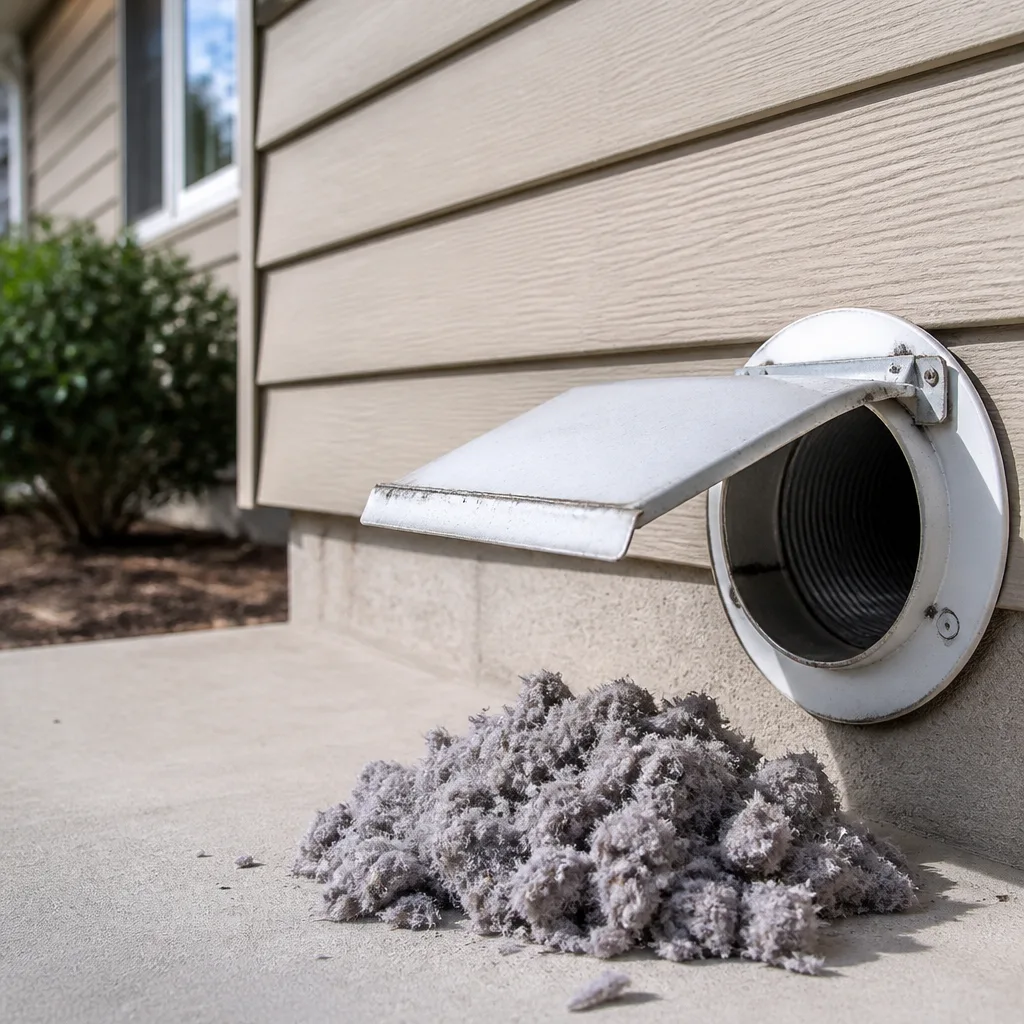 Dryer vent cleaning
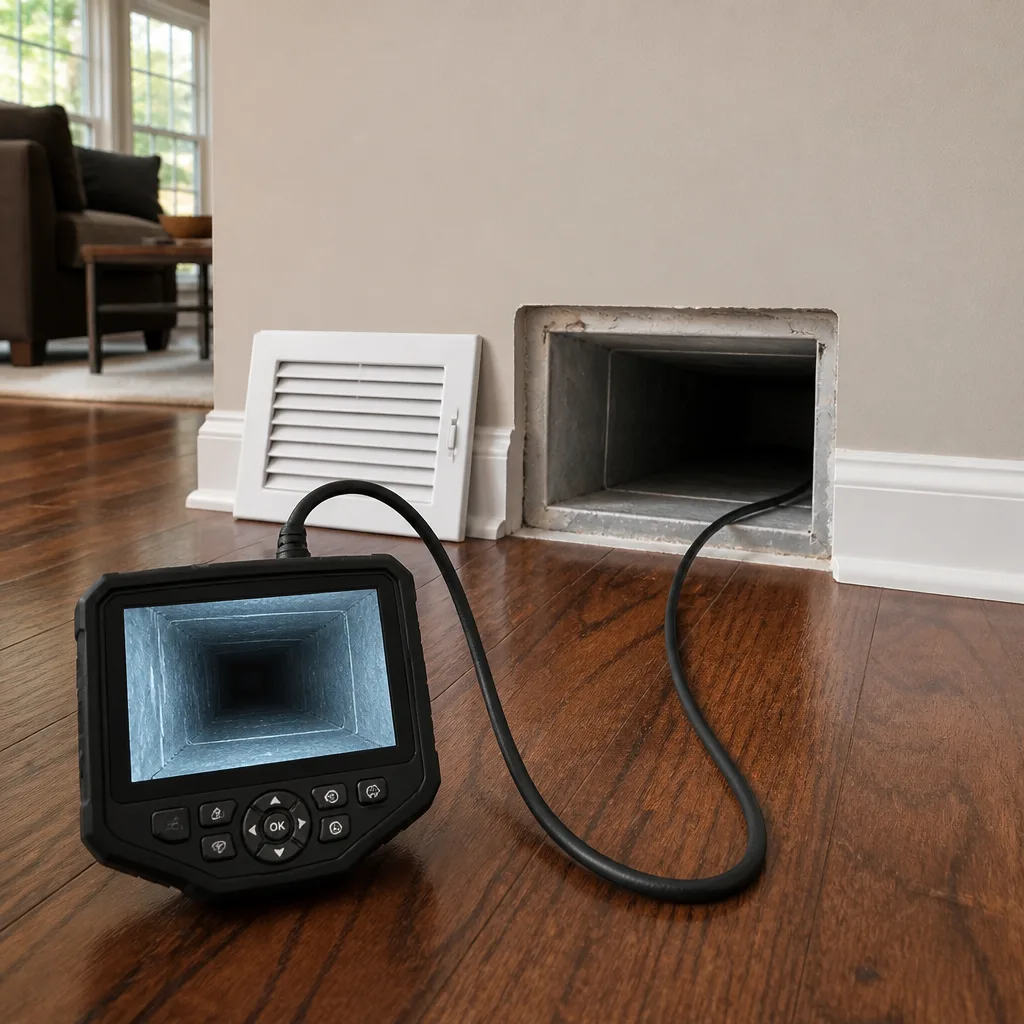 Camera inspection
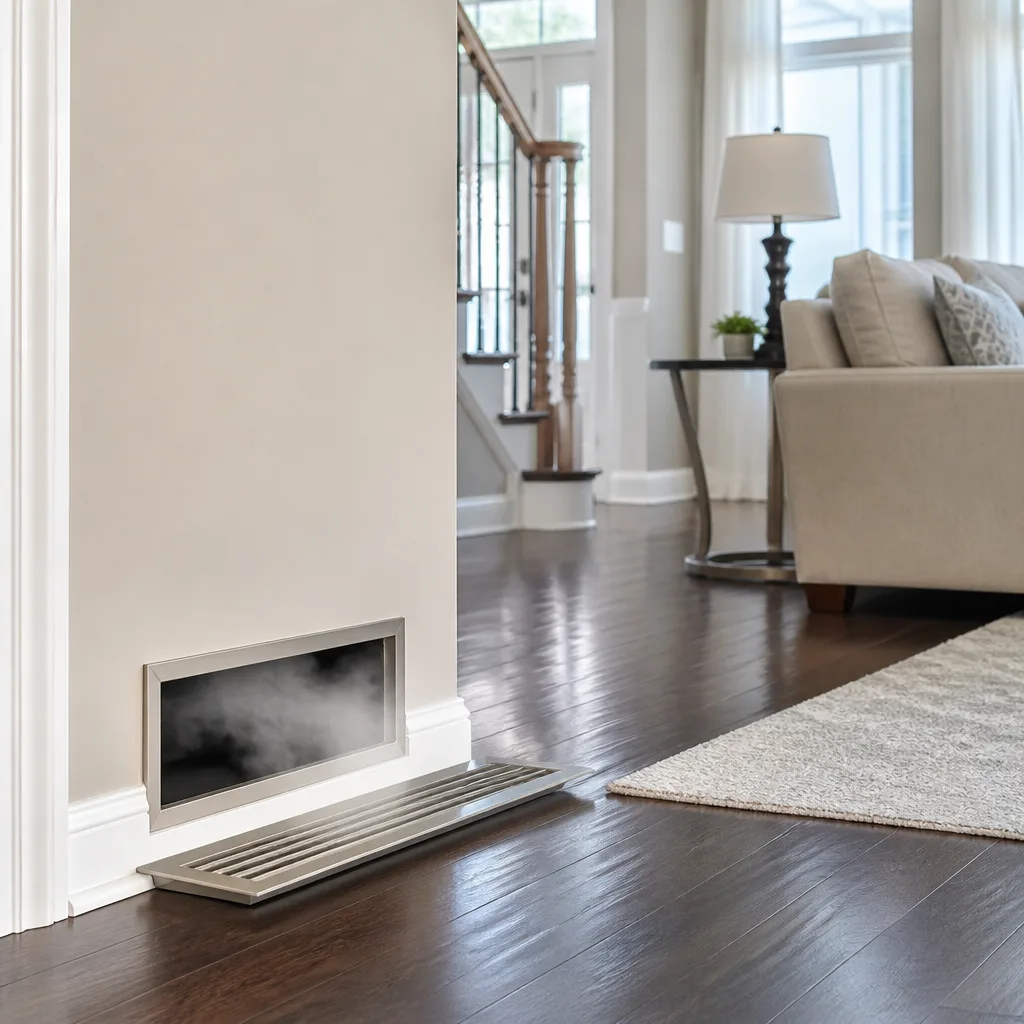 Sanitizing & deodorizing
Whole-system duct and dryer vent check with before-and-after photos - you see exactly what came out of your vents
That "$99 whole-house special" is a bait ad - the real number appears once they are in your hallway, or the "clean" is a shop-vac at the register. We photograph the inside of your ducts before and after instead.
DIY vs Professional Air Duct Cleaning: The French Park Homeowner’s Decision Guide
Here’s the counterintuitive part: the DIY versus professional debate isn’t really about effort or cost. It’s about airflow. A homeowner with a shop vac and a dryer brush can clean a duct opening, and the register will look spotless afterward. But consumer equipment doesn’t generate the directional suction needed to dislodge debris from the main trunk, capture it, and keep it from settling in the runs you can’t reach. In French Park, where mild winters mean HVAC systems run almost year-round, that difference matters more than most people realize. This guide walks you through the physics, the honest cost math, the tasks you can safely do yourself, and the situations where calling a pro isn’t optional.
Quick Answer
Professional air duct cleaning is worth it when debris is deep in the system or contamination is involved, because only negative-pressure equipment moves and captures debris rather than redistributing it. A homeowner can reasonably handle register cleaning, grille washing, and lint-trap clearing on their own. For anything past the visible opening, professional service in the French Park market is the safer, more complete choice, and a free estimate lets you compare it honestly against DIY costs.
Styles & brands we work with
- Whole-home duct cleaning
- Dryer vent cleaning
- Camera inspection
- Sanitizing & deodorizing
Table of Contents
- Why Airflow Direction Is the Whole Conversation
- How Negative-Pressure Cleaning Actually Works
- What You Can Safely Do Yourself
- Where DIY Attempts Go Wrong
- The Honest Cost Comparison in French Park
- When Professional Service Is Non-Optional
- What Professional Equipment Actually Does
- Common Mistakes to Avoid
- When to Call a Professional
Why Airflow Direction Is the Whole Conversation
Think about what happens when you sweep a floor without a dustpan. You move the debris, but it doesn’t leave the room. That’s essentially what consumer-grade duct cleaning does inside a home’s ductwork. A shop vac pulls air locally at the nozzle, but the rest of the duct run continues to hold its debris. Some of it gets loose and floats downstream toward the registers, where it blows back into the living space.
Professional cleaning reverses the problem. Negative-pressure equipment hooks into the main trunk and pulls a strong, steady draw on the entire duct system. Once that pressure differential exists, any debris dislodged by the rotary brush moves toward the vacuum, not the living room. Direction of airflow during cleaning is what determines whether the result is capture or redistribution. In our experience, that distinction is the single most important variable in the whole job, and it’s the one consumer equipment can’t solve.
This matters especially in French Park, where homes tend to keep the HVAC system running through mild winters and warm summers alike. Constant circulation means airborne debris ends up in the ductwork and gets recirculated into rooms. If cleaning merely loosens that debris without capturing it, the next cycle of air moves it right back into the home. The whole point of the process is to move it out, not around.
How Negative-Pressure Cleaning Actually Works
Negative-pressure cleaning is the method of pulling the duct system to a lower pressure than the surrounding rooms, so air and dislodged debris flow toward the vacuum instead of escaping through gaps. It’s how professional teams clean a system without turning the home into a dust cloud.
Here’s the typical sequence:
- Connect the vacuum. A high-powered unit ties into the main trunk or a designated access point, pulling the whole duct run to negative pressure.
- Seal and contain. Registers and openings are covered or sealed so the only path for air is toward the vacuum.
- Agitate the interior walls. A rotary brush or compressed-air whip scours the duct surfaces, knocking debris loose so the airflow can carry it away.
- Capture particulates. A HEPA-rated filter on the vacuum traps the debris rather than returning it to the home.
- Verify and reassemble. Registers are reattached, and any access holes are sealed.
The equipment matters because it has to generate both strong suction and enough volume to move debris the length of the trunk. Systems that produce 2,000 to 4,000 cubic feet per minute of airflow at the main trunk are built for exactly this. Rotary brush systems designed for the job, like the Rotobrush platform, pair that suction with mechanical agitation to hit the duct walls where dust actually clings. Nikro HEPA-rated vacuums handle the capture side. When a home has contamination concerns, Abatement Technologies negative-air machines keep the working area contained.
For a deeper walkthrough of what a full professional job looks like, see our guide to Air Duct Cleaning French Park.
What You Can Safely Do Yourself
DIY isn’t all or nothing. There are real tasks a homeowner can do that genuinely help air quality without touching the areas where the process can go wrong. Doing them well makes any professional cleaning more effective, and it keeps the home cleaner between visits.
- Clean the registers. Pop the register covers off, wash them in warm soapy water, dry them fully, and put them back. Dust and lint collect on the surface and get blown into rooms every time the system runs.
- Wash the grille surfaces. Return and supply grilles hold visible dust. A vacuum brush and a damp cloth handle those surfaces easily.
- Inspect the accessible plenum. If you can safely reach the metal boot at the base of a register, look inside with a flashlight. You may see buildup, and if you do, that’s a signal the deeper system likely needs attention.
- Clear the dryer vent lint trap. This is a distinct system from the air ducts, but clearing the lint trap is a low-risk task that genuinely prevents buildup. Professional dryer vent cleaning handles the full run, which is the part DIY can’t reach.
- Change the HVAC filter on schedule. A fresh filter cuts the amount of debris that reaches the coil and ductwork. It’s the highest-return DIY task there is.
What these tasks share is that they stay on the accessible, surface-level side of the system. Once you’re trying to reach inside the duct run itself, you’ve crossed into territory where DIY can hurt more than it helps.
Where DIY Attempts Go Wrong
Some DIY efforts actively damage the system. The damage isn’t always obvious at first, which is part of the problem. A homeowner might push a brush through a duct run, feel satisfied, and never realize that a joint separated or an insulation layer punctured somewhere out of sight.
- Improper brush use on flex duct. Flexible ductwork has a wire coil inside and a thin liner outside. A stiff or oversized brush can tear the liner or crush the coil, and a crushed coil reduces airflow for the life of the duct.
- Puncturing foil-faced insulation. Foil-faced duct insulation is easy to pierce with a brush or a probe. Once the foil layer is compromised, the insulation loses efficiency and can trap moisture.
- Dislodging duct joints during access attempts. Ducts are taped and sealed at the joints. Tugging on a register boot or pushing a brush through a seam can break that seal, and a broken seal leaks air into a wall cavity instead of into the room.
- Pushing debris into the coil. Without negative pressure, a brush or vacuum hose can shove loosened debris further into the system and closer to the evaporator coil. That’s the worst possible place for a debris pile.
- Redistributing contamination during a mold situation. If the system has mold growth, dry brushing without containment sends spores throughout the home. That’s why mold work requires the negative-air equipment mentioned above.
None of these are catastrophic on their own. But each one can turn a simple cleaning into a repair job, and repairing ductwork means professional sealing.
The Honest Cost Comparison in French Park
DIY is only cheaper if it works the first time. Once you add up rental costs, time, and the probability of incomplete results, the gap between DIY and professional service narrows more than most homeowners expect. Here’s a plain-spoken breakdown of what each approach actually involves.
- Equipment rental. A large shop vac or a rented duct-cleaning machine runs perhaps $60 to $150 for a day, depending on what’s available locally. That rental doesn’t include an agitation tool or a HEPA filter rated for fine duct dust.
- Consumables. Brushes, hoses, filters, and tape add up. A rotary brush that fits the duct properly may cost more than the rental itself.
- Time. A homeowner cleaning every register, every reachable run, and every plenum typically spends the better part of a day, often more on a two-story home with high ceilings.
- Incomplete results. The main trunk and the inaccessible runs are exactly where the most debris lives. A homeowner can typically clean the visible ends of the system, not the trunk that feeds them.
- Risk of damage. Any of the duct, insulation, or joint issues above can turn a $150 weekend project into a repair bill.
Professional service replaces all of that with a single system-based price. The estimate is free, the price is set in writing before work begins, and the job covers the whole air pathway, not just the parts you can reach. If you want a sense of what a thorough job involves, our overview of air duct cleaning lays out the process. The written quote you receive will be the honest comparison point, and it’s worth requesting before you rent anything.
When Professional Service Is Non-Optional
There are scenarios where DIY isn’t just less effective. It’s the wrong tool for the situation, and the risk of making things worse is real. If any of these apply to your home in French Park, professional service is the right call:
- Post-remediation clearance. If your home has had mold or contamination remediated, the duct system has to be cleaned to a standard that a visual check can’t confirm. Containment equipment and documented results are part of the job.
- Mold-confirmed systems. Once mold is confirmed inside the ductwork, dry brushing without negative-air containment spreads spores through the home. Abatement Technologies negative-air machines are built specifically for this scenario.
- Post-wildfire smoke infiltration. Smoke residue penetrates ductwork and clings to every surface. Cleaning has to be paired with sanitizing to remove the odor at the source, not just mask it.
- Older homes with asbestos-containing insulation. Some older duct insulation contains asbestos. Disturbing it releases fibers into the air. A trained professional knows how to identify and handle this material rather than dispersing it. This is not a DIY situation under any circumstances.
If you’re dealing with any of those situations and want to talk through the equipment involved, our overview of HVAC cleaning explains how the air handler, coil, and duct system get cleaned as one unit.
What Professional Equipment Actually Does
The reason professional cleaning produces a different result is the equipment. It’s purpose-built for ductwork and for the size of the airflow problem, and it lets the crew work fast and thoroughly at once. Here’s what a typical professional setup includes:
- Rotobrush rotary-brush system. A rotary brush scours duct walls while simultaneous vacuum pulls loosened debris into the collection unit. This is the workhorse on most jobs.
- Nikro HEPA-rated vacuum. Fine duct dust is the same material that clogs HVAC filters, which means it’s fine enough to pass through ordinary bags. HEPA capture keeps it out of the air.
- Abatement Technologies negative-air machines. Used in any job with contamination concerns, these units keep the work area under negative pressure so nothing escapes into the home.
- Aprilaire and Honeywell air-quality accessories. These are standard parts of the filtration and humidity side of a home’s air system, and they can be upgraded during the same service visit.
- Guardsman-grade sanitizing. When the system needs sanitizing, this is applied to the duct interiors to address the source.
Those five tools aren’t requirements to rent. They’re what the crew has on hand, which is why a single visit can cover cleaning, sealing, filtration, and sanitizing in one go. The tools aren’t typical for a general handyman setup, and that’s part of why results differ.
Common Mistakes to Avoid
- Assuming a visible register is a clean system. The register is the last stop in a long duct run. The dust you see there represents only the smallest fraction of what’s upstream. Check the filter and the plenum, not just the register cover.
- Using a standard shop vac on a duct run. Standard shop vacs don’t have the suction or the filtration to handle fine particulate, and they can push dust into the room instead of capturing it. In a mild French Park climate, where systems run most of the year, that dust gets recirculated quickly.
- Skipping the coil. Ductwork gets blamed for air-quality problems, but the evaporator coil traps dust and moisture and feeds mold growth directly into the airflow. A cleaning that ignores the coil leaves the source in place.
- Cleaning your dryer vent with a brush and hoping for the best. The dryer vent run is different from ductwork and has its own risks around lint compaction. A brush can compact lint further into the vent. That’s one for a professional.
- Not sealing what gets found. Cleaning a system with broken duct joints is temporary. Debris comes right back in through the same gaps, and the energy-loss problem continues alongside it.
- Forgetting the humidifier and filtration side. Air quality is not one thing. Filtration, humidity, and duct cleanliness all affect what you breathe. If only one of them is handled, the picture is incomplete.
- Assuming access issues are someone else’s concern. Tight duct runs, hidden plenums, and sealed access panels can make parts of a system hard to reach. A crew with the right tools opens and closes access points properly rather than skipping them.
When to Call a Professional
Call a professional if you’ve had water damage near the air handler or ductwork, if you can see visible mold anywhere in the system, if anyone in the home has allergies or respiratory sensitivity that’s gotten worse, or if your ducts are older than the home’s most recent remodel. Also call if your energy bills are climbing without an obvious cause, since leaky ducts and dirty coils both drag on system efficiency. For most homes in French Park, a single professional visit is the fastest way to find out what’s actually going on inside the system and what it needs.
Air Duct Cleaning French Park offers free estimates in French Park. Call (833) 509-5212. We answer 24/7. Fast dispatch from 7am to 7pm, Sunday through Friday. The estimate is written per system, agreed before work begins.
See the difference
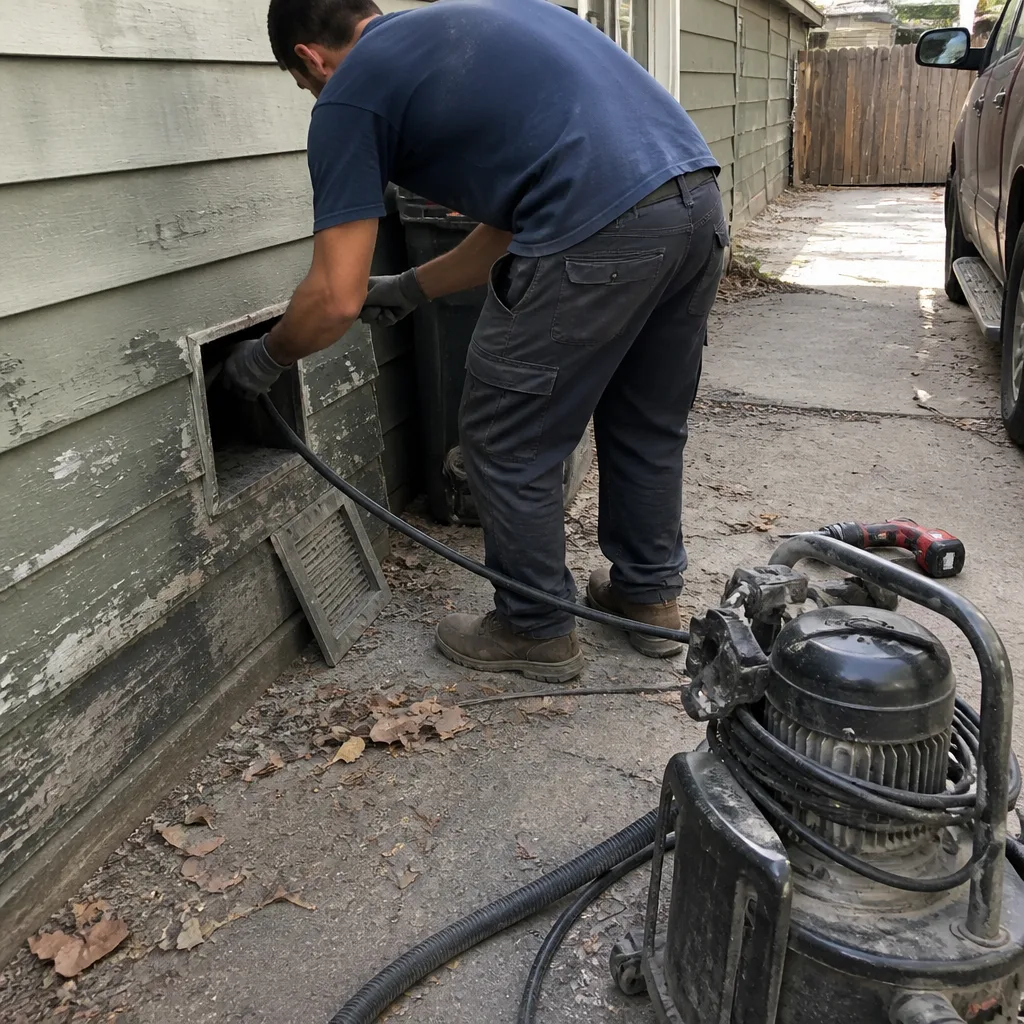 Before
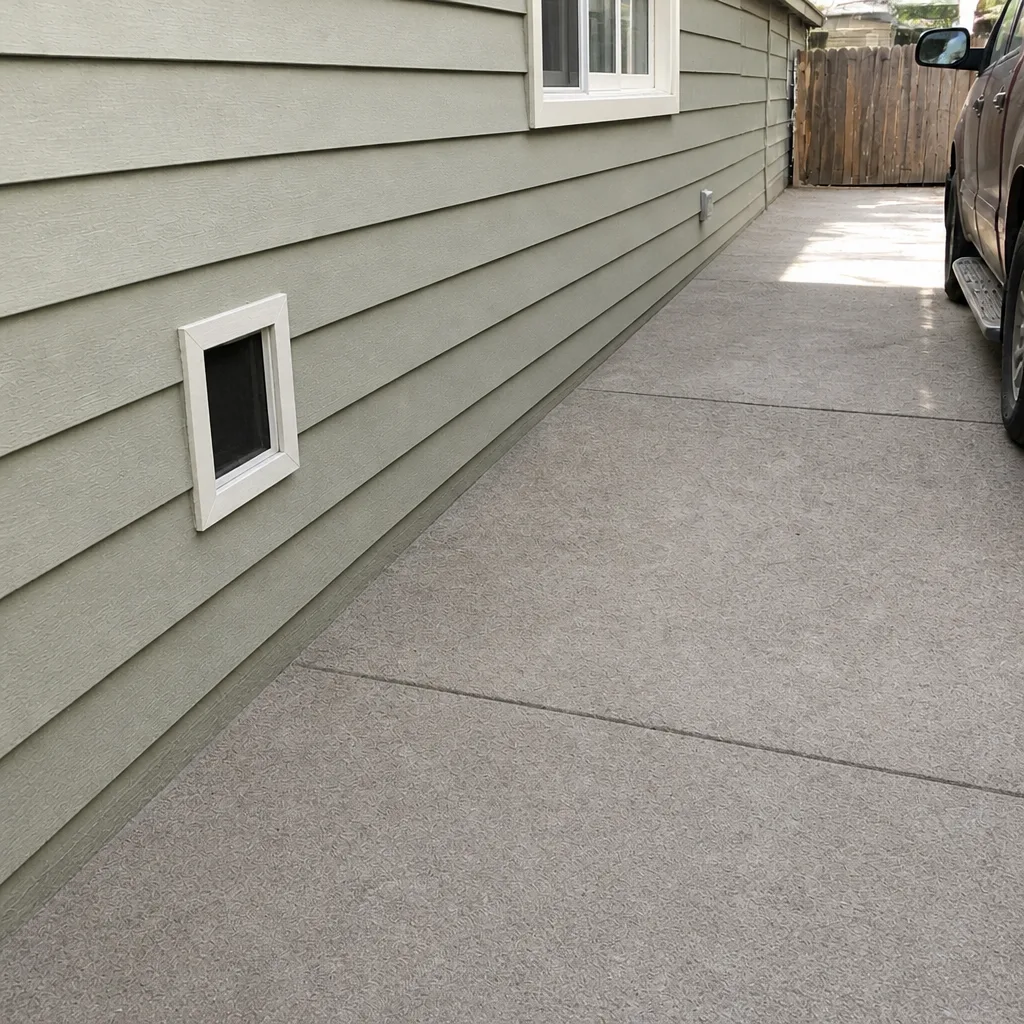 After
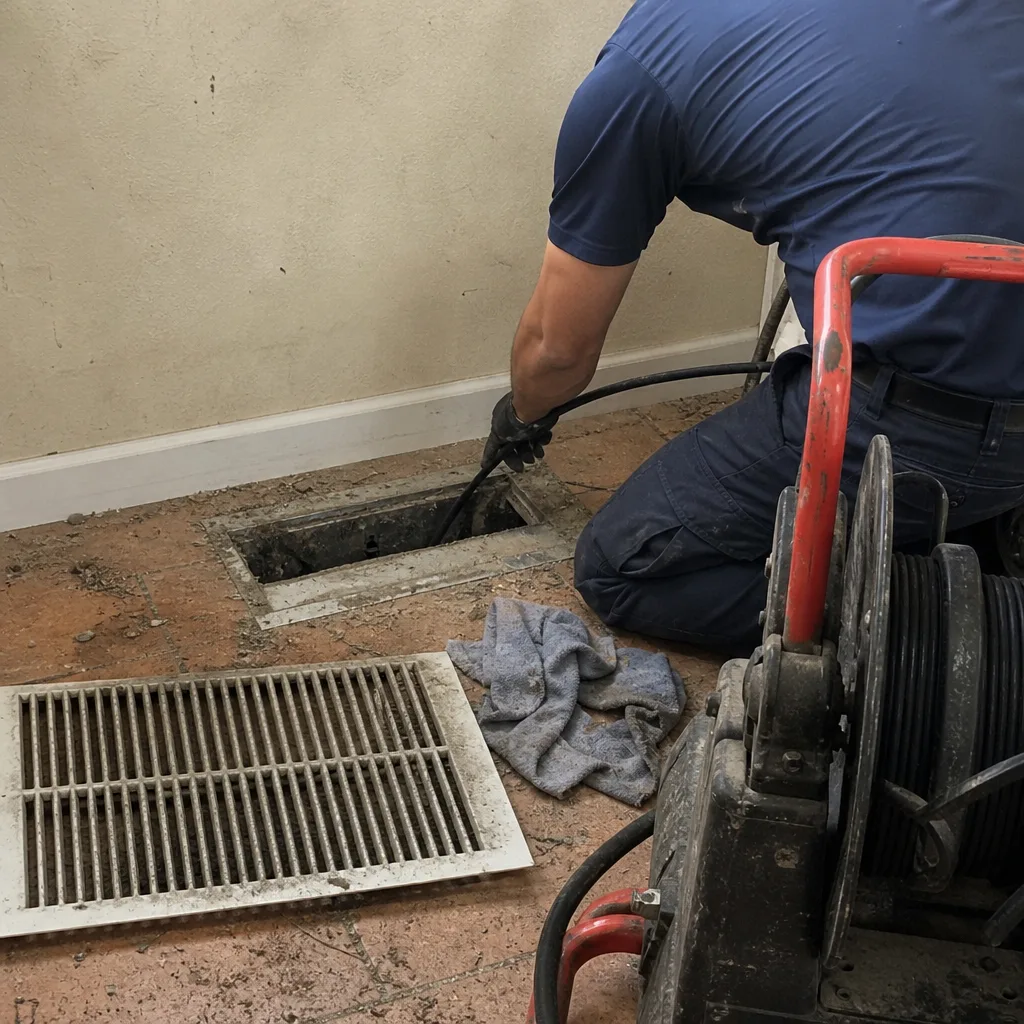 Before
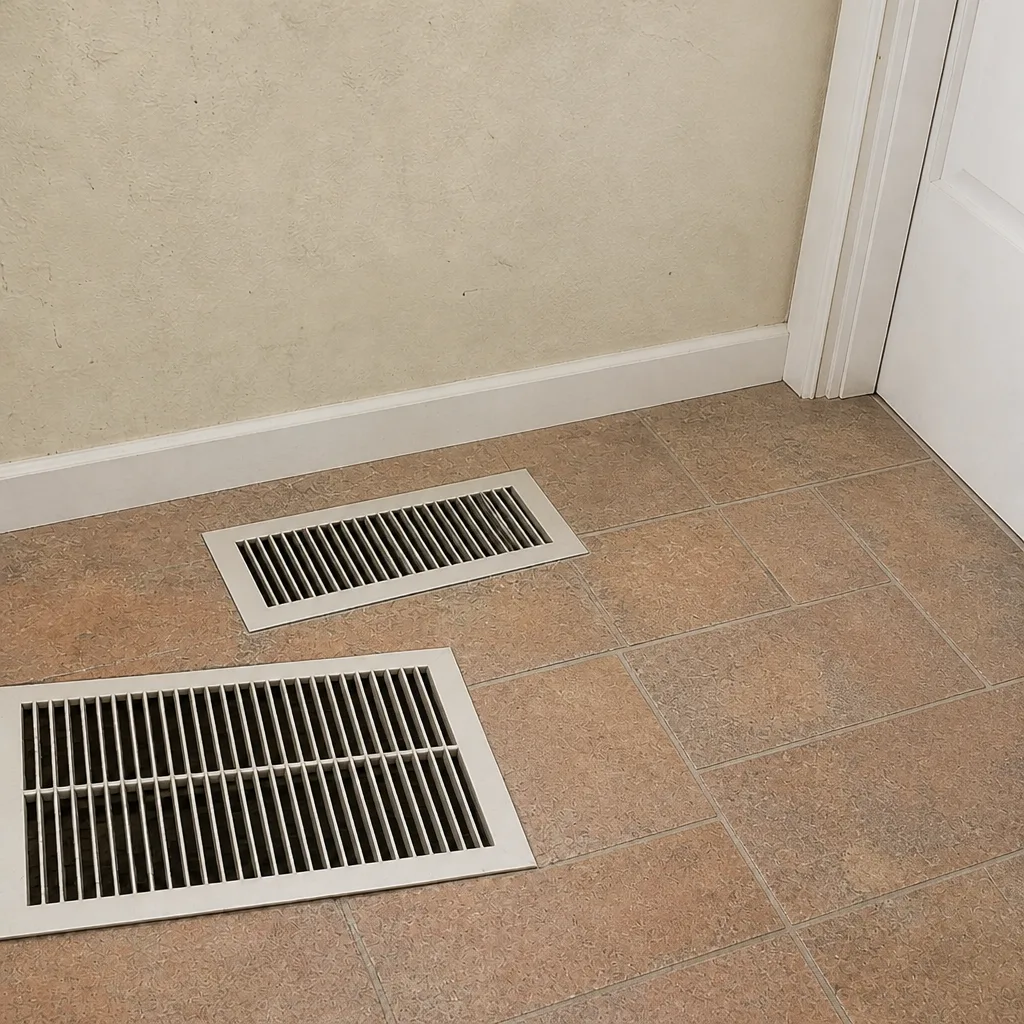 After
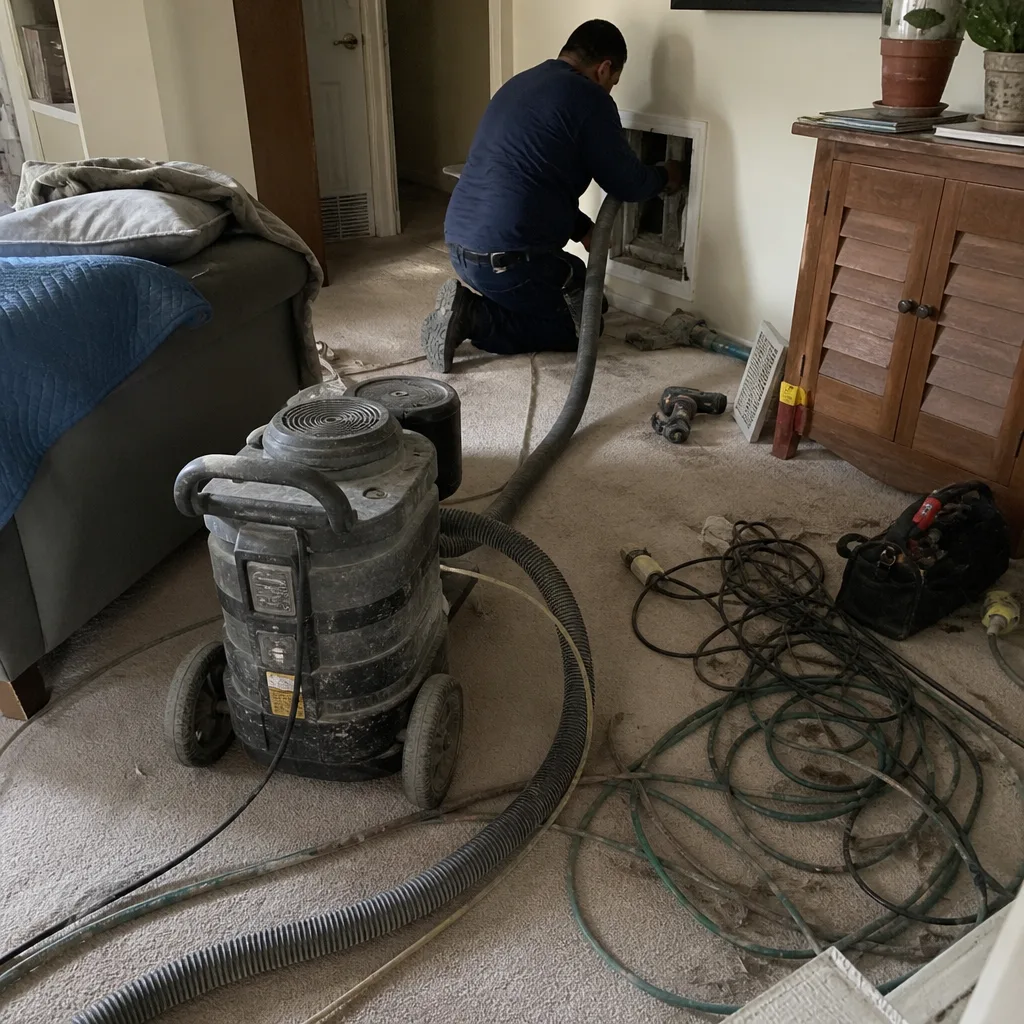 Before
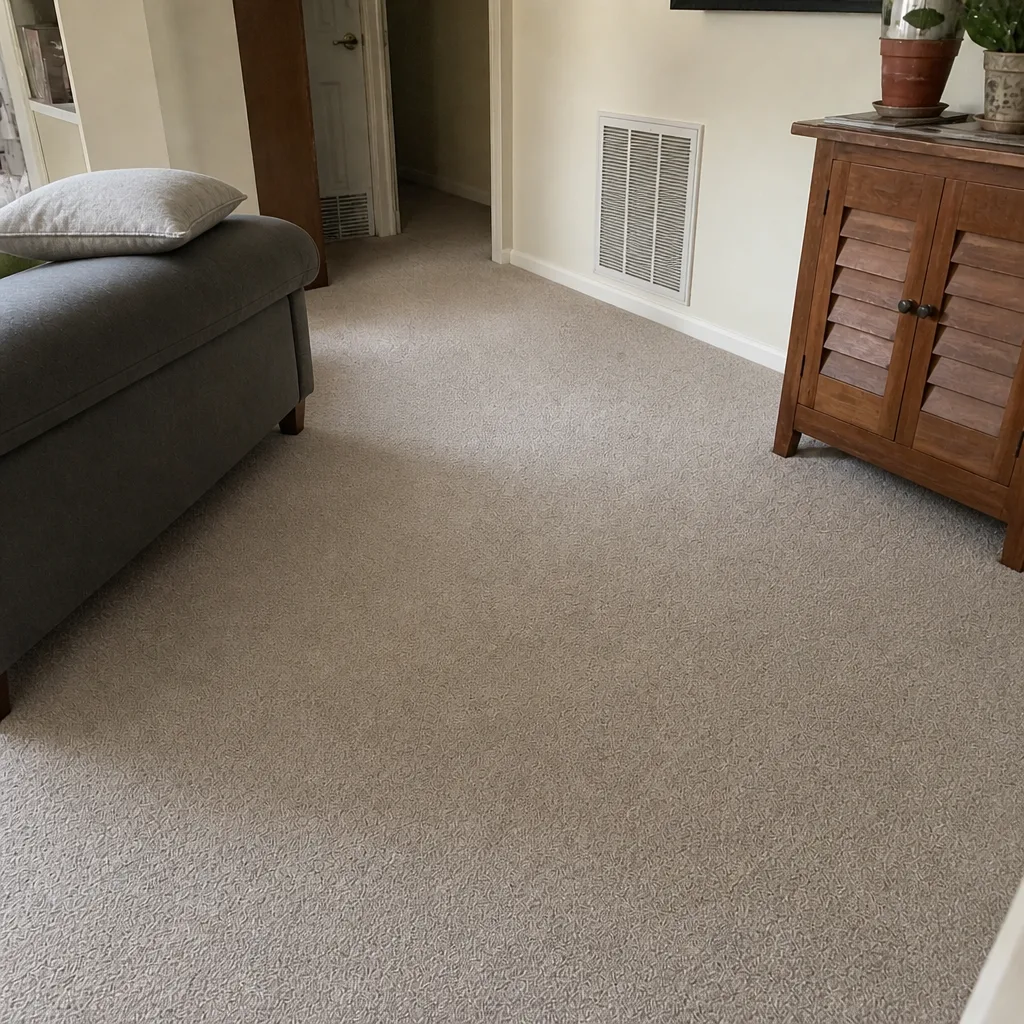 After
Frequently Asked Questions
Yes, for surface-level tasks like cleaning register covers, washing grilles, clearing the dryer lint trap, and changing the filter. Those tasks genuinely help. Anything past the visible opening, meaning the duct run itself, is where DIY starts to do more harm than good.
Equipment is usually the answer. A quote that looks low may reflect a crew with a shop vac and a brush, which can redistribute debris rather than capture it. A more thorough job includes containment, HEPA filtration, and agitation tools designed for ductwork. The estimate should be written per system, and it’s worth asking what equipment is involved. Call (833) 509-5212 for a free written estimate before you compare.
Ask for before-and-after photos of your own system and a walkthrough of what was cleaned. A crew that is proud of the work should have no problem showing you the inside of the ducts before and after.
For most homes, professional cleaning every few years is reasonable, and homes with pets, allergies, recent renovation, or a history of mold need it more often. There’s no fixed rule, because it depends on filter maintenance, system age, and how the home is used.
It can. Brushes can tear flexible duct liners, punctures in foil insulation reduce efficiency, and tugging at a register boot can break a joint seal. Any of those problems turns a cheap weekend project into a professional repair.
It affects how much the system runs. In a mild climate, the HVAC system cycles for much of the year, which means more air is moving through the ductwork on an annual basis. That’s one reason a filter swap on schedule matters, and one reason a full professional cleaning is worth planning for rather than postponing.
The Bottom Line
DIY cleaning and professional cleaning aren’t really competing for the same job. Register covers, grilles, and lint traps are fair game for any homeowner. The duct run, the main trunk, the coil, and the sealing are where the physics makes DIY ineffective, and sometimes harmful. If you’ve had water damage, visible mold, recent remediation, or you just can’t trace the dust and odor in your home, professional service is the right call. For most French Park homes, a free written estimate is the best way to see the real cost next to the real work. Call (833) 509-5212, and the team will walk you through what a full-system cleaning would involve.
Written by the team at Air Duct Cleaning French Park.