
Last updated November 24, 2026
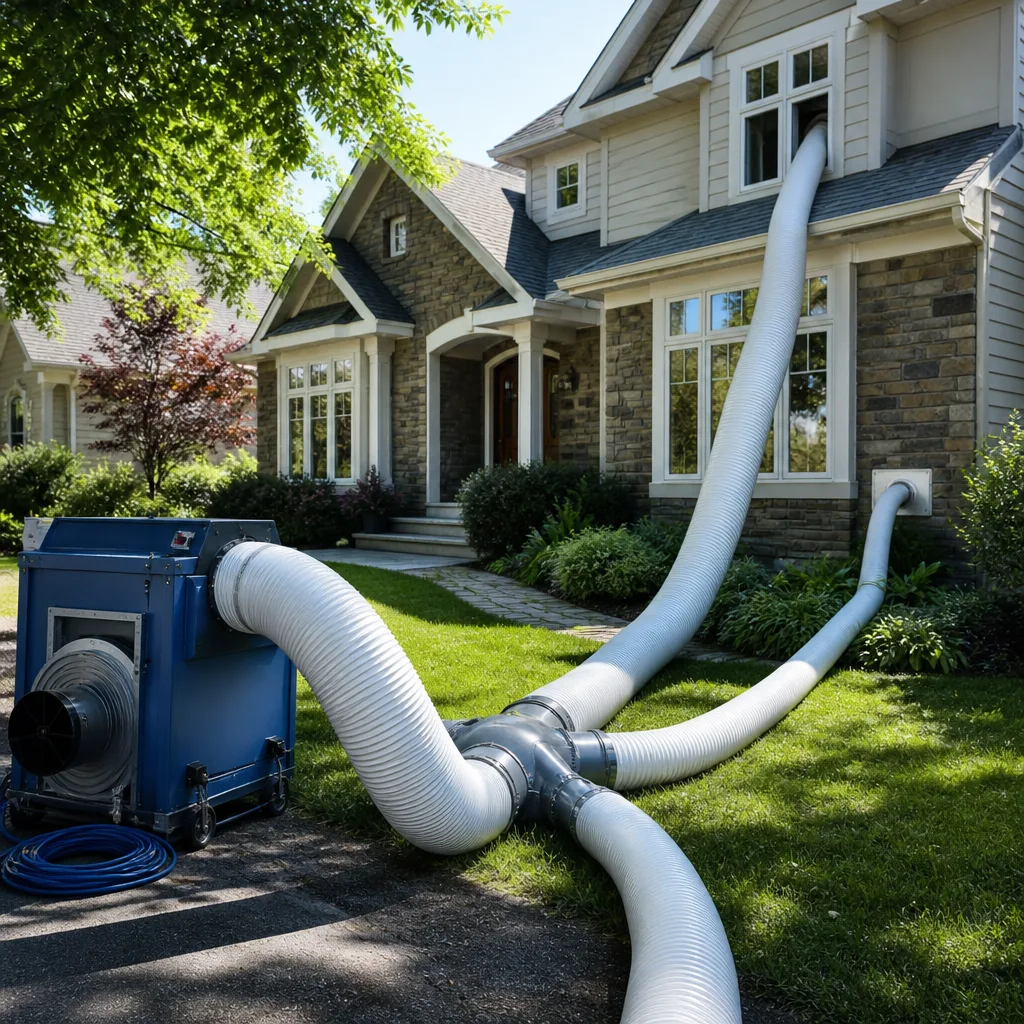 Whole-home duct cleaning
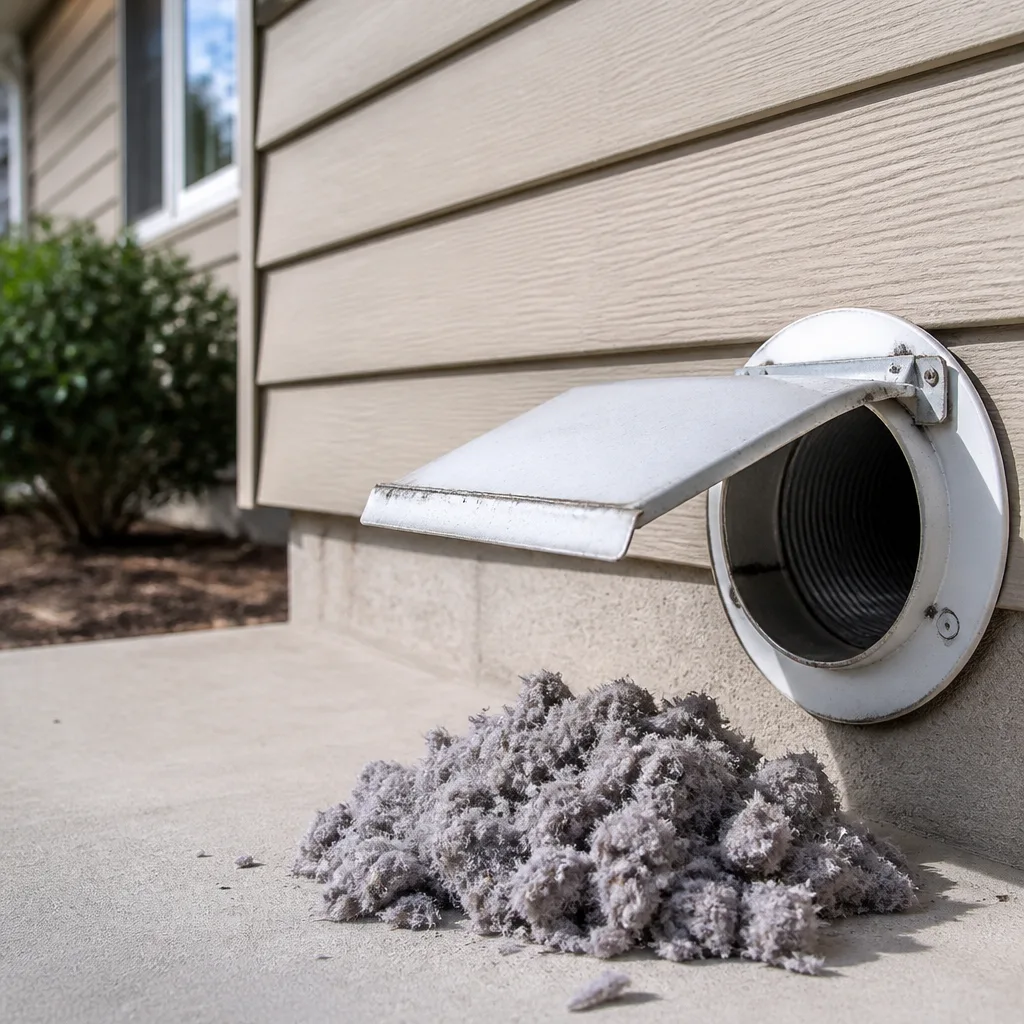 Dryer vent cleaning
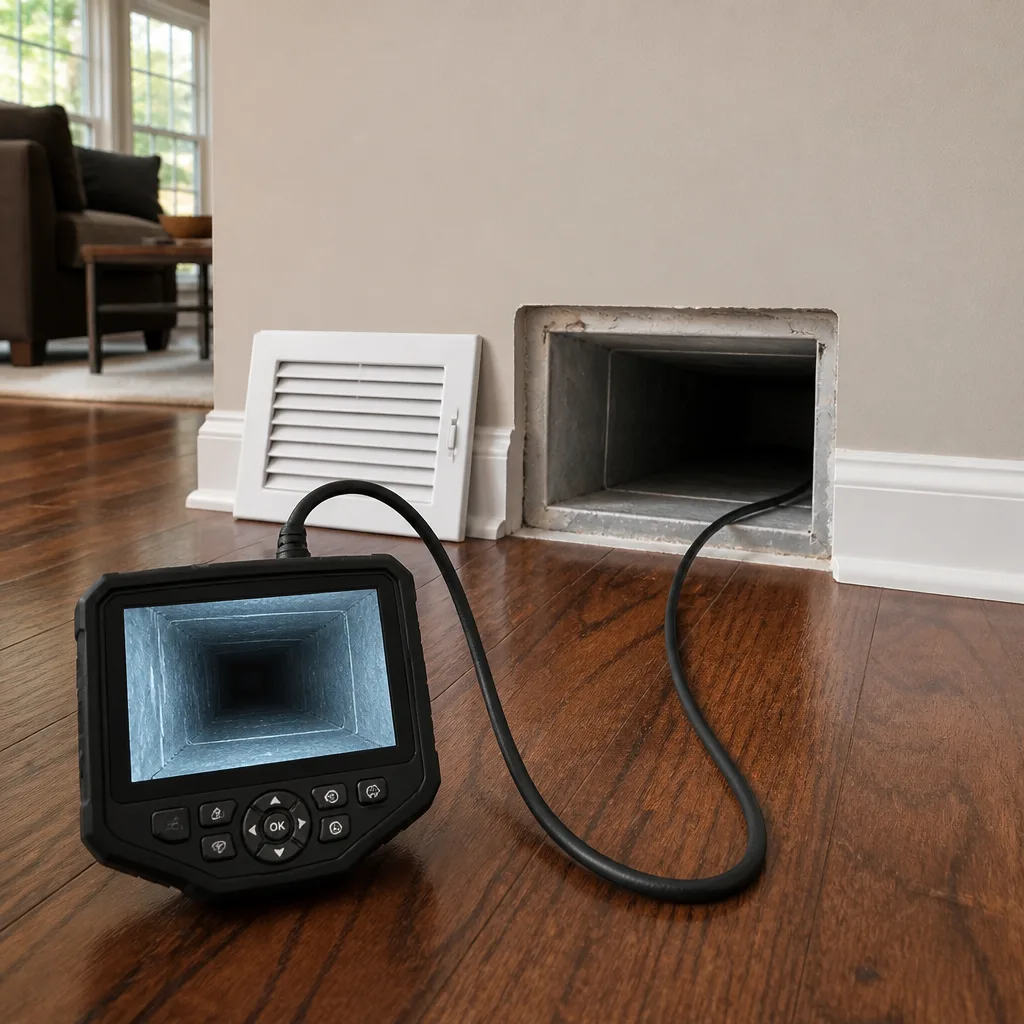 Camera inspection
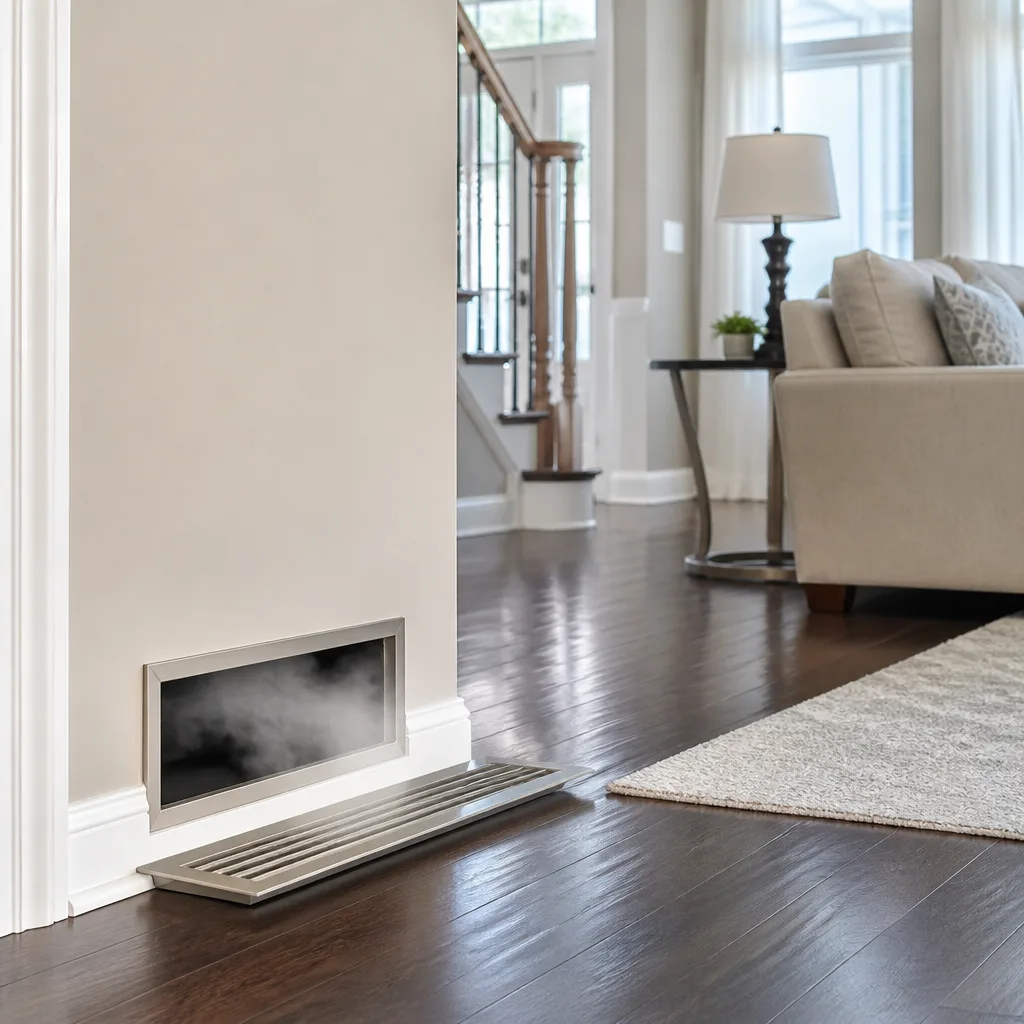 Sanitizing & deodorizing
Whole-system duct and dryer vent check with before-and-after photos - you see exactly what came out of your vents
That "$99 whole-house special" is a bait ad - the real number appears once they are in your hallway, or the "clean" is a shop-vac at the register. We photograph the inside of your ducts before and after instead.
How to Hire an Air Duct Cleaning Contractor in French Park: A Step-by-Step Guide
A five-star rating tells you people were happy. It doesn’t tell you whether the technician ran a rotary brush through the trunk line or just wiped the register cover and called it done. Those are very different outcomes, and from the street they look identical. California doesn’t require a universal license to clean ducts, so the burden of telling a real contractor from a coupon crew falls squarely on you, the homeowner. This guide walks through what to check before anyone touches a screwdriver in your home: how to verify equipment on site, what a legitimate scope document contains, the three bait-and-switch tactics that show up most in French Park and how to write a contract that blocks them. By the end, you’ll know exactly what questions to ask and what answers should make you walk away.
Quick Answer
To hire an air duct cleaning contractor in French Park, verify the equipment on site before work begins (a real negative-pressure vacuum and a rotary brush system, not a shop vac and a handout), insist on a written scope that lists duct count, access points and before-and-after documentation, and put a flat per-system price in the contract so per-vent upcharges can’t appear mid-job. Ask whether the crew follows NADCA ACR assessment standards, and confirm the company either holds or works under a C-20 HVAC contractor for anything beyond surface cleaning. Price matters less than equipment and process, because the same $200 job with the wrong setup leaves your ducts dirtier than they were.
Styles & brands we work with
- Whole-home duct cleaning
- Dryer vent cleaning
- Camera inspection
- Sanitizing & deodorizing
Table of Contents
- Why Air Duct Cleaning Has a Trust Problem in California
- What California Licensing Actually Requires (and Doesn’t)
- What NADCA ACR Standards Mean On-Site
- How to Verify Equipment Before Work Starts
- What a Real Scope Document Should Include
- The Three Bait-and-Switch Tactics and How to Block Them
- Twelve Questions to Ask on the Phone
- Making the Final Decision: A Checklist
Why Air Duct Cleaning Has a Trust Problem in California
Start with the regulatory situation, because it explains almost every bad experience you’ll read about. California’s Contractors State License Board regulates construction trades tightly, but air duct cleaning as a standalone activity has no dedicated license class. That means almost anyone can buy a used vacuum, print a flyer, and start taking appointments. It also means the phrase “licensed air duct cleaner” isn’t a thing you can actually verify, because there’s nothing to verify. The license that matters is the HVAC contractor license held by whoever performs work on the system itself.
This gap has a direct consequence for French Park homeowners. A crew can show up in a marked van, wear a uniform, hand you a business card, and still be operating with nothing more than a contractor’s business license from the city, which has nothing to do with trade competence. The equipment and process are the only reliable proof points.
There’s a second wrinkle we see in older French Park homes: the ducts were often installed decades before current air-quality standards, and some systems have flex duct or foil-backed sections that a rotary brush can damage if the wrong attachment is used. A crew that doesn’t ask what material your ducts are made of before they start is a crew that will either under-clean or tear something.
- No dedicated duct-cleaning license exists in California. Verification has to be equipment-based and process-based.
- HVAC contractor licensing (C-20) applies to system modification, repair and sealing, not to cleaning alone.
- Marketing claims are cheap. A “licensed, bonded and insured” badge on a website is not the same as a verified CSLB record.
- Equipment is the tell. Professional rotary systems and negative-air machines are expensive and conspicuous; a shop vac is not.
If your home is in the French Park neighborhood and your system is older, ask specifically whether the contractor will assess duct material before recommending a brush type. That one question separates crews who know their trade from crews who run the same setup on every job.
What California Licensing Actually Requires (and Doesn’t)
California’s landmark licensing category for this work is the C-20 Warm-Air Heating, Ventilating and Air-Conditioning Contractor license, issued by the Contractors State License Board. Here’s where it gets nuanced for French Park homeowners: a C-20 is legally required for installing, modifying, repairing or sealing the HVAC system and its ductwork. It is not required to sweep debris out of an existing duct run. That distinction matters because it determines what your contractor can and cannot legally do on your property.
When you should insist on a C-20:
- Duct repair or replacement – closing leaks, replacing damaged sections, re-routing runs.
- Duct sealing – applying mastic or sealant to joints and seams as a system modification.
- HVAC component work – anything that touches the air handler, coils, or blower beyond cleaning.
- Adding filtration or humidity control – installing an Aprilaire or Honeywell product in line with the system.
When a C-20 is helpful but arguably not the deciding factor:
- Straightforward cleaning of an existing, intact duct system.
- Dryer vent cleaning, which is covered separately by appliance and venting rules.
Here’s the practical takeaway for French Park: if a contractor can’t or won’t tell you who holds the C-20 license behind the work, that’s a red flag. Many cleaning-only operations work under the umbrella of a licensed HVAC company and can name it on request. The one that hesitates is usually hesitating for a reason. You can verify any license number in about two minutes on the CSLB website, and a legitimate contractor will hand you the number without being asked twice. If you’re comparing that against the service offerings themselves, our air duct cleaning page covers what cleaning alone should include. Licensing is the floor, not the ceiling. It tells you the contractor is legally accountable for the work; it doesn’t tell you the equipment is right, and that’s the next thing to check.
What NADCA ACR Standards Mean On-Site
NADCA, the National Air Duct Cleaners Association, publishes a document called the ACR, or Assessment, Cleaning and Restoration standard. It’s the industry’s closest thing to a rulebook, and a lot of contractors reference it. Far fewer actually follow it. The gap between citing a standard and following it is where French Park homeowners get burned, so let’s unpack what ACR actually requires on-site.
Core requirements you should be able to observe:
- Pre-cleaning assessment. The crew inspects the system and identifies contamination sources before starting. Not a walk-through and a thumbs-up – an actual assessment of what’s in the ducts and where it came from.
- Source removal. Cleaning pulls contaminants out at the source and removes them from the home. Not just loosens them to resettle.
- Negative pressure during cleaning. The work area is kept under negative pressure so debris doesn’t escape into living space. This is where true professional setups separate from improvised ones.
- Post-cleaning verification. The system is inspected again after cleaning, with photographic documentation.
- Written documentation. The contractor provides a written record of what was found, what was done, and what the post-cleaning condition was.
The questions that expose whether a company follows ACR or just uses the acronym for marketing:
- “Can you walk me through your pre-cleaning assessment? What are you looking for and where do you document it?”
- “How do you maintain negative pressure during cleaning, and with what equipment?”
- “Will I get written post-cleaning documentation, and can I see a sample?”
- “If you find mold or a contaminant source, what’s your process?”
A company that follows ACR can answer all four in specific terms. A company that has only read the marketing brochure will give you generalities. In French Park, where a lot of housing is older and duct runs often include flex sections that accumulate debris differently than rigid metal, the assessment step matters more than it does in newer construction. Ask to see the assessment process during your estimate visit. It should take more than five minutes.
How to Verify Equipment Before Work Starts
This is the section to bookmark. Equipment is the clearest, most checkable signal of whether a contractor is doing real work or performing it. Before any crew unrolls a hose in your French Park home, walk out to the van and look.
What you should see:
- A negative-pressure vacuum unit. A purpose-built machine capable of pulling the whole system into negative pressure during cleaning. Brand names like Nikro are common. It will be substantial – typically cart-sized or larger, not something you could carry in one hand.
- A rotary brush system for mechanical agitation inside the duct. Rotobrush is the well-known name, and the machine has a distinct flexible shaft and rotating brush head.
- HEPA-rated filtration on the vacuum, capable of trapping fine particulate so it doesn’t get blown back into the home.
- Negative-air containment equipment for jobs where mold or contamination has been identified. Abatement Technologies is the standard brand. If your home has had water intrusion or visible mold near registers, you should ask whether this equipment will be used.
- Assorted brush heads matched to duct material. A contractor who has only one brush type cannot properly clean both flex and rigid metal without damaging one of them.
What should make you concerned:
- A shop-vac or a standard wet/dry vacuum as the primary extraction tool.
- No negative-pressure setup – just a hose dropped into a register with the system off.
- No containment equipment for a job described as “mold cleanup.”
- A crew unwilling to show you equipment before starting, or dismissive of the question.
Asking to see the vacuum unit and the brush head before work starts is not rude. It’s the reasonable question of a homeowner who has read the CSLB records and understands there’s no dedicated license to lean on. A professional will show you without hesitation. And if the job involves installing upgraded filtration – an Aprilaire media cabinet or a Honeywell filter housing – that equipment should also be present or specified in the scope document. That kind of upgrade belongs in a conversation about HVAC cleaning, where the full air handler and coil get the same attention as the duct runs.
What a Real Scope Document Should Include
The scope document is your protection. It’s the piece of paper that says, before anyone touches your system, exactly what the job is and exactly what the price is. A contractor who can’t produce one has either not thought it through or is planning to improvise on your time, and improvising in duct work is expensive.
A legitimate scope for dust cleaning in a French Park home should include:
- Duct count. The actual number of supply and return vents, listed individually or by room. Not “approximately.”
- Access point plan. Where the crew will cut in to reach the trunk and major branches, and how those access points will be sealed afterward.
- Equipment to be used. Named, not described in generalities. Rotobrush rotary system, Nikro HEPA vacuum, Abatement negative-air if applicable.
- Cleaning method by duct material. Rigid metal gets a different brush than flex. The scope should say which is being used and where.
- Before-and-after documentation method. Photos of the duct interiors at each access point, taken by the crew and shown to you, ideally on-site before they leave.
- Flat per-system price. One number for the whole system, not a per-vent price that grows as they count.
- Repair and sealing line items, if needed. A separate line for any repair or sealing work identified during the assessment, with its own price, agreed before starting.
- Sanitizing scope if requested. Which product, applied where, and how it interacts with the duct material.
The most common scope failure is number six. A contractor who quotes per vent can charge you more the moment they open a register and “discover” a duct they didn’t see at the estimate. A flat per-system price is the antidote, and it should be in writing before work begins. If you’re also considering dryer vent work in the same visit, that should be a separate line item, not folded into the duct cleaning price. Our dryer vent cleaning page covers why that job deserves its own scope.
The Three Bait-and-Switch Tactics and How to Block Them
Most bad experiences in this industry follow one of three patterns. Knowing them in advance is worth more than any review you’ll read.
Tactic 1: The teaser price that becomes a per-vent invoice
A low advertised price gets the crew in the door. Once inside, they count vents, announce the price was “per vent,” and the invoice grows by multiples. The contract language that prevents it: “Price is a flat fee for the entire duct system as listed in this scope, with duct count defined in the scope. No per-vent, per-register, or per-linear-foot charges apply.”
Tactic 2: The surprise “mold” finding mid-job
The technician discovers contamination, tells you the ducts need antimicrobial treatment or sanitizing on the spot, and adds a significant charge. The contract language that prevents it: “Any treatment, sanitizing, or remediation work beyond the scope listed above requires a separate written estimate and my signed approval before proceeding.” A legitimate contractor will identify contamination during the assessment, not mid-job, and will put remediation in a separate scope.
Tactic 3: The invisible cleaning
The crew spends twenty minutes, wipes the registers, runs a hose quickly, and leaves. No documentation, no before-and-after photos, no way to verify work was performed. The contract language that prevents it: “Contractor will photograph each duct interior before and after cleaning and provide those photographs to customer before departing the property. Payment is contingent on delivery of these photographs.”
One more clause worth adding, because French Park’s older housing stock makes it relevant: “Any repair, sealing, or component replacement identified during cleaning will be itemized in writing with a separate price and will not proceed without my approval.” This protects you from the “while we were in there” upgrade conversation that rarely improves the outcome. A contractor who repairs and seals what they find, right then, will still bill it as a separate line – but they’ll have identified it honestly and priced it fairly.
Twelve Questions to Ask on the Phone
Most of the vetting happens before anyone comes to your French Park home. Use the phone call to eliminate the crews that can’t answer these clearly.
- Can you confirm the name of the C-20 license holder behind the work, and the license number?
- What vacuum unit will be used, and is it capable of maintaining negative pressure?
- What rotary brush system do you use?
- How do you match brush type to duct material?
- Do you follow NADCA ACR standards? Walk me through your pre-cleaning assessment.
- Will I get written post-cleaning documentation with before-and-after photographs?
- Is your price per system or per vent?
- If you find mold or contamination, what’s the process?
- Do you carry negative-air equipment for contamination-sensitive jobs?
- Can you install or upgrade Aprilaire or Honeywell filtration during the visit?
- What sanitizing product do you use, and is it applied at my request only?
- Can you send me a sample scope document before I book?
You won’t get perfect answers to all twelve from every company, and that’s fine. The companies that answer eight or more clearly are usually the ones worth inviting for an estimate. The companies that stumble on numbers two, three, six and seven are the ones to skip. Those four are where the equipment and process actually live.
If the call needs to happen outside normal hours, that’s not a problem. We answer 24/7. A call outside dispatch hours is booked into the next opening, Sunday through Friday, 7am to 7pm. The questions above are equally useful when calling us at (833) 509-5212 for a free estimate – we expect them, and we answer them.
Making the Final Decision: A Checklist
By the time you’ve vetted two or three contractors, the decision usually comes down to a short list of verifiable points. Here’s the checklist we’d use ourselves, and the one we’re comfortable being measured against on any French Park job.
- License verified. C-20 license name and number, checked against the CSLB record.
- Equipment shown. Rotary brush system and HEPA-rated negative-pressure vacuum confirmed on-site before work starts.
- Scope in writing. Duct count, access plan, equipment, documentation method and flat per-system price all in one document.
- ACR process confirmed. Assessment before, source removal during, verification after, photographs provided.
- Contamination handling clear. Negative-air equipment and separate written estimate for remediation, signed approval required.
- Sanitizing on request only. No mid-job upgrades, no surprise treatment charges.
- Filtration upgrade path identified. Aprilaire or Honeywell products specified in the scope if you want them, installed on the same visit.
- Documentation delivered. Before-and-after photographs of your own ducts, in your hands before payment.
None of these require trade knowledge to check. They require the willingness to ask and the patience to walk away from a crew that can’t answer. That’s the whole gap a missing license creates, and that’s the whole gap you close by asking the questions in this guide. We run every French Park job against this list because we know we’re being measured against it, and because the alternative – a crew that runs a shop vac for twenty minutes and leaves – is what gives the industry its reputation.
Common Mistakes to Avoid
- Booking on price alone. The cheapest quote in French Park is usually the one that becomes the most expensive invoice once the technician is inside. Ask what equipment is being used before the price becomes the deciding factor.
- Accepting “licensed and insured” without a number. There’s no dedicated duct-cleaning license in California. If the contractor can’t name the C-20 holder, they’re not giving you verifiable information.
- Skipping the on-site equipment check. The single most important two minutes of the job is the walk out to the van before the crew starts. If there’s no rotary brush system and no HEPA-rated vacuum, there’s no professional cleaning.
- Agreeing to a per-vent price. Per-vent pricing is a structure that rewards the crew for finding more vents. Flat per-system pricing removes the incentive.
- Letting the job proceed without a written scope. No scope means no way to prove what was promised, and no protection when the invoice doesn’t match the quote.
- Assuming “sanitizing” is standard. It’s a separate service that should be priced and agreed up front, not discovered mid-job. Guardsman-grade treatments are appropriate for some cases and unnecessary for others, and a contractor should discuss which yours is.
- Not asking about duct material compatibility. French Park’s older homes often mix flex duct and rigid metal. A single brush used across both will damage one of them.
- Not requesting before-and-after documentation. Without photographs of your own ducts, you have no way to know the work was done as scoped.
See the difference
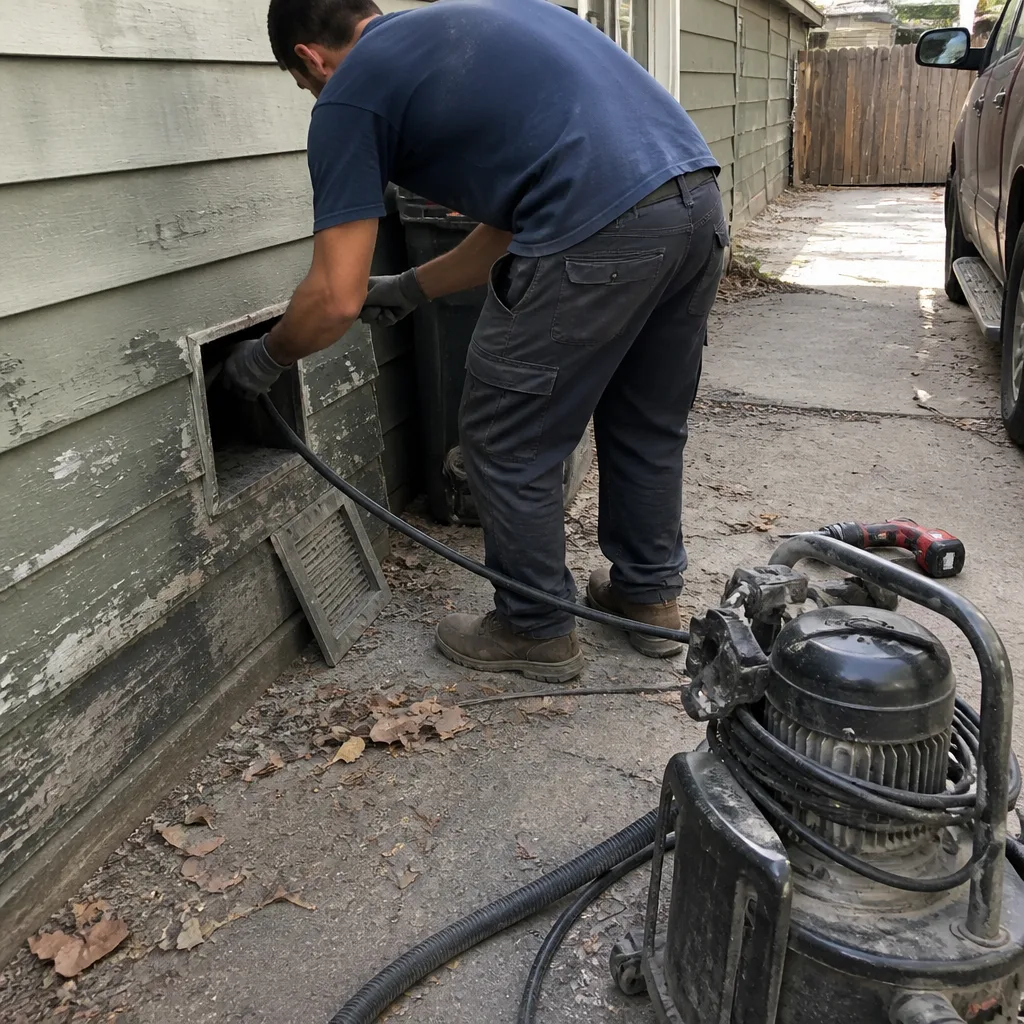 Before
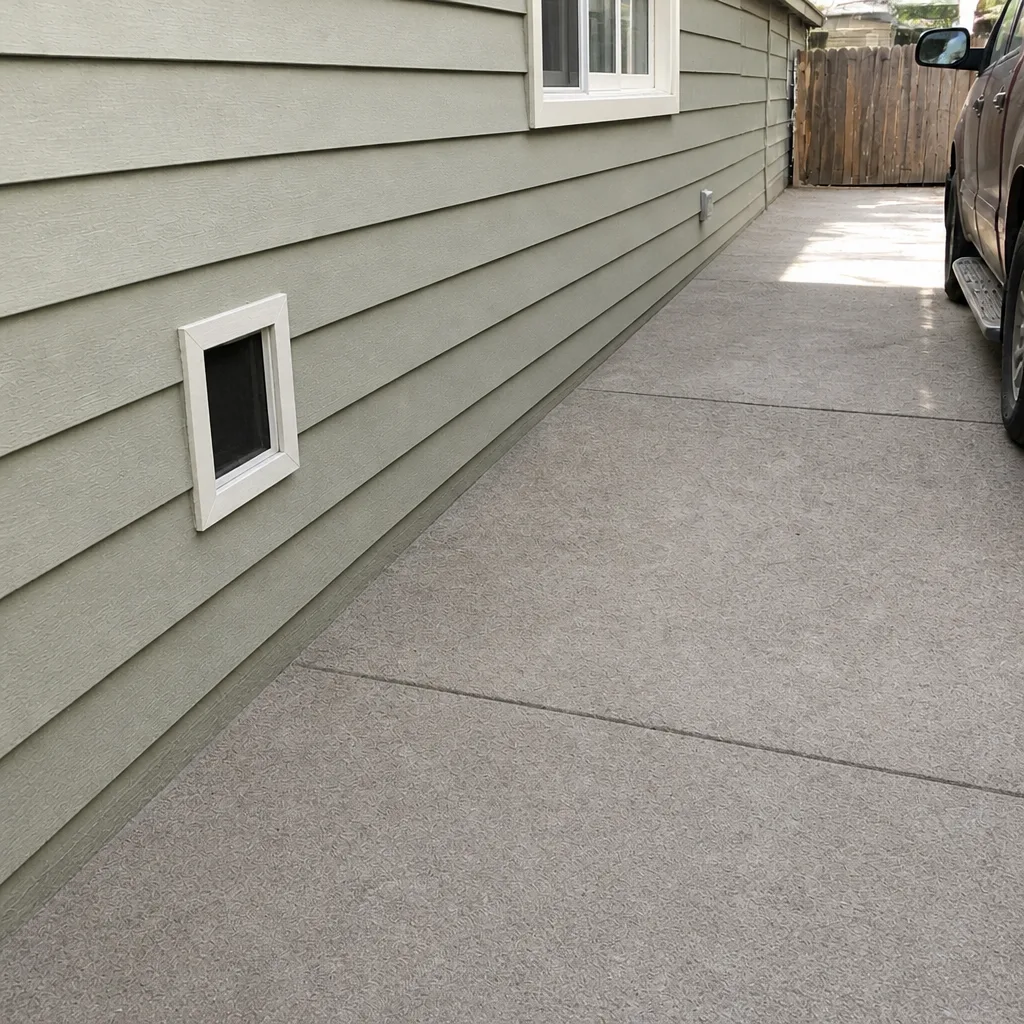 After
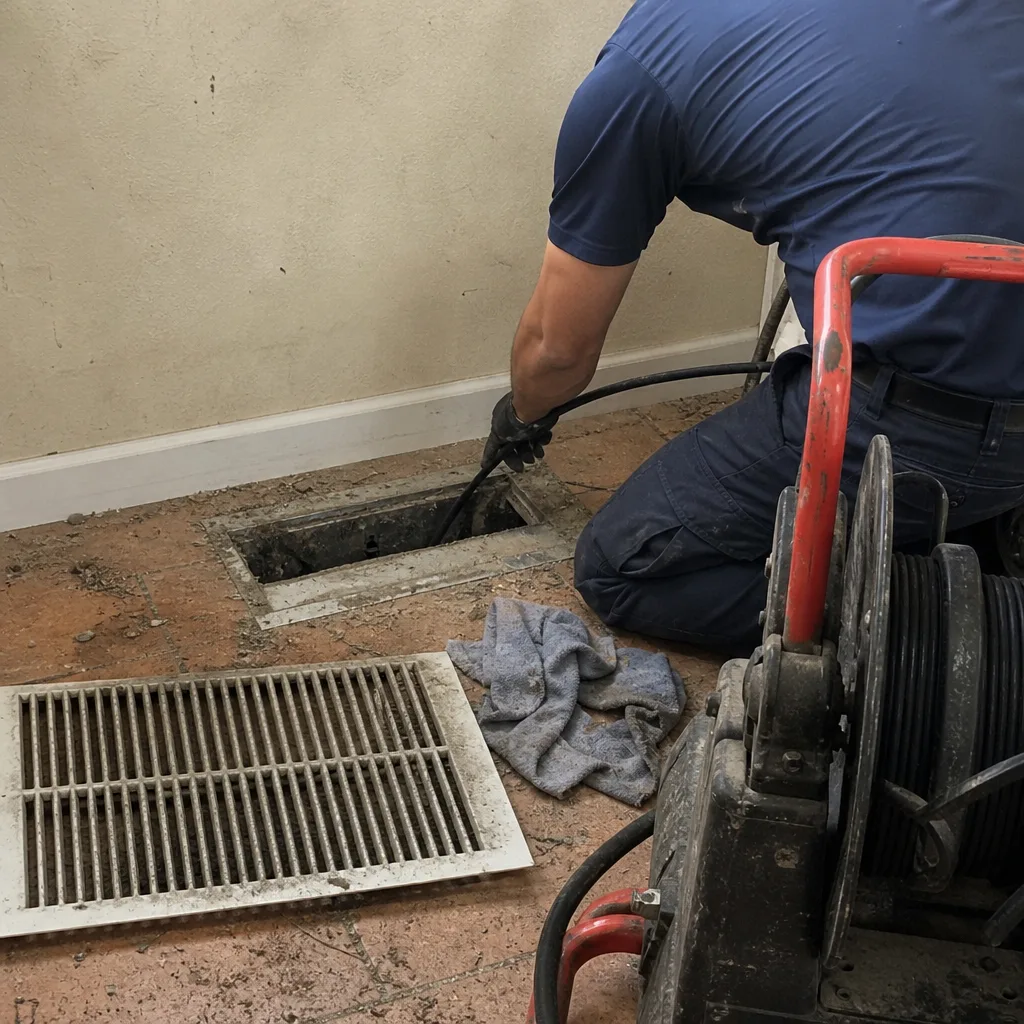 Before
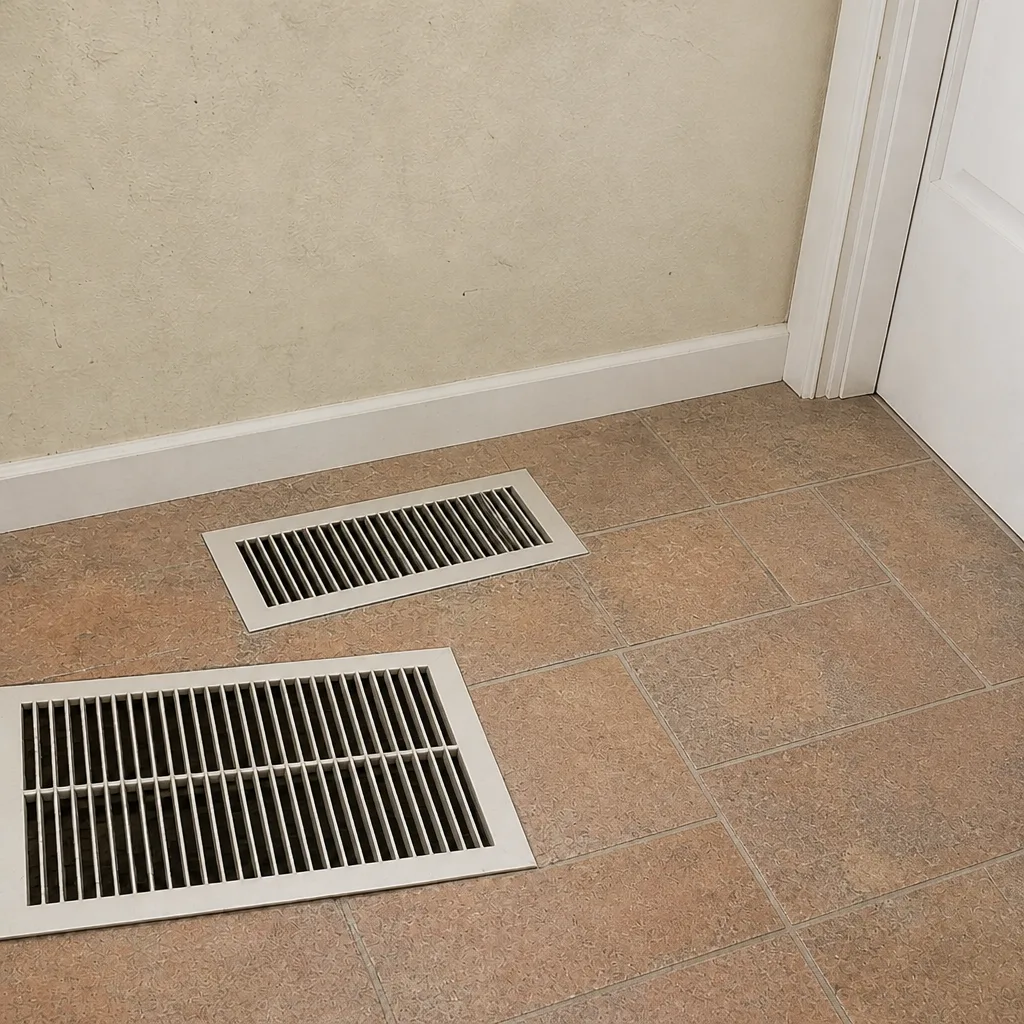 After
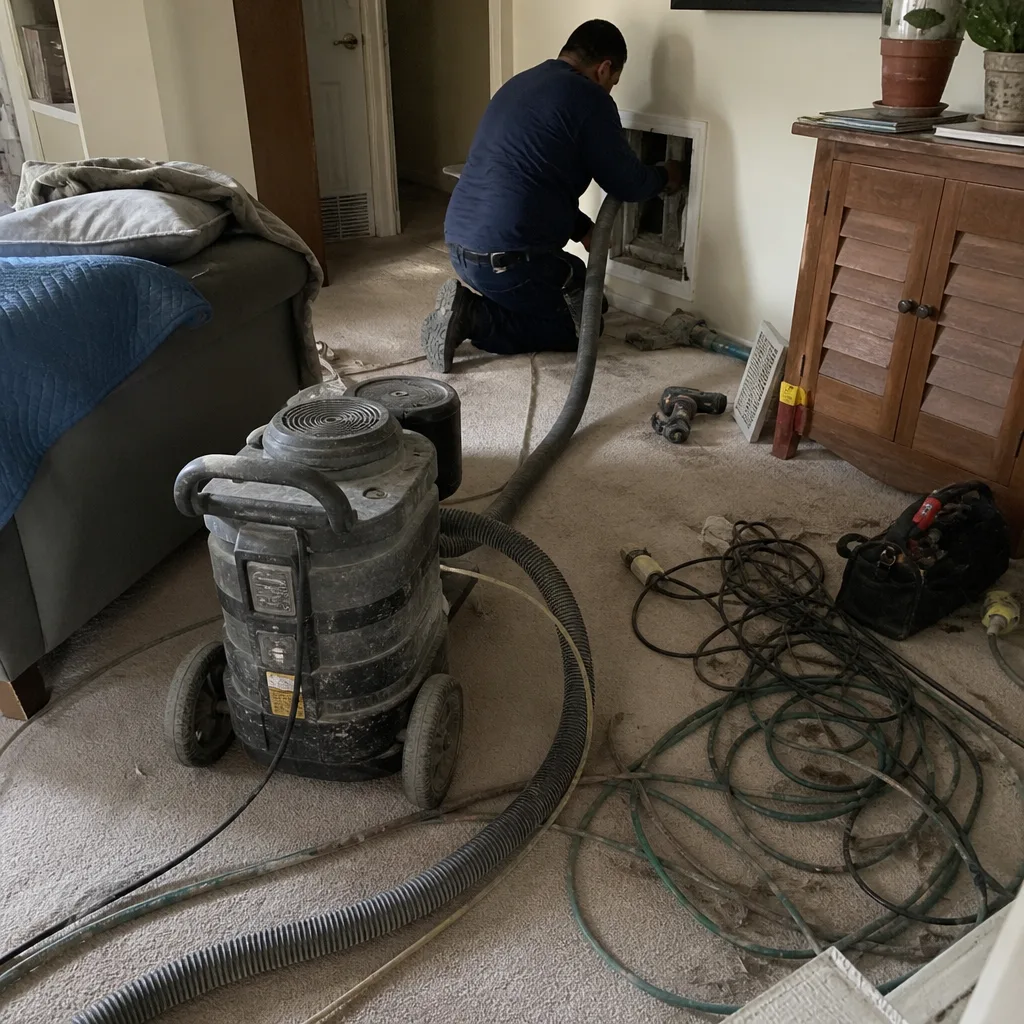 Before
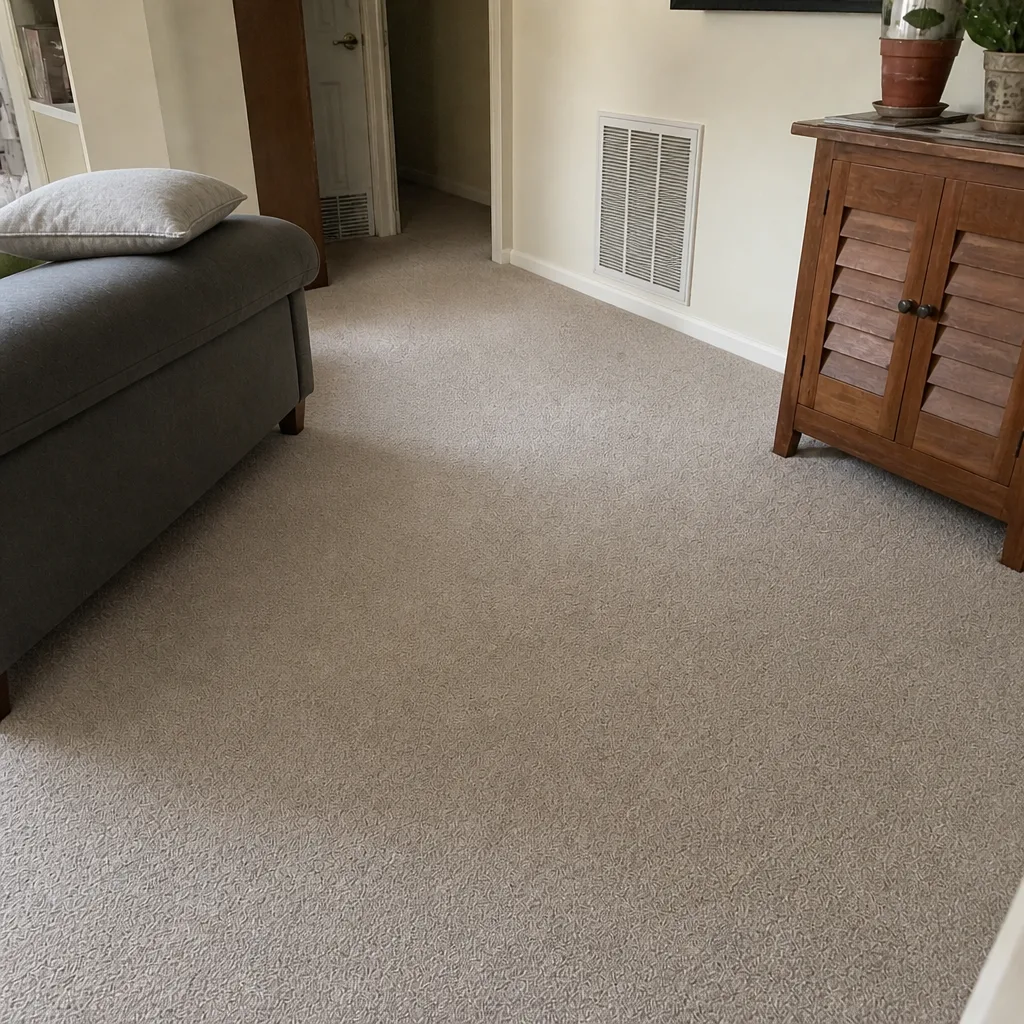 After
When to Call a Professional
Some duct issues clear up with a professional visit and some don’t clear up at all without one. If you’re seeing visible dust flowing from registers every time the system runs, that’s a sign contamination has accumulated to the point where a cleaning is overdue. If anyone in the household is experiencing allergy or asthma symptoms that seem tied to when the system is running, the ducts are worth having assessed. If you’ve recently completed a renovation in your French Park home and the system ran during the dust-producing phase, the ducts almost certainly need cleaning – construction debris settles differently than household dust and more thoroughly. If a moldy smell comes through the vents, particularly after any water intrusion, that’s a genuine contamination scenario and needs a contractor with negative-air equipment, not a quick sweep. If your energy bills have climbed and the ducts are old, leaks may be the issue, and duct repair and sealing is a separate job from cleaning that many contractors can address on the same visit. If your dryer is taking longer to dry clothes, that’s a dryer vent issue, not a duct issue, but it’s still worth addressing. Air Duct Cleaning French Park offers free estimates in French Park – call (833) 509-5212.
Frequently Asked Questions
Air duct cleaning in French Park typically runs a few hundred dollars for a standard residential system, with the final price set by the written estimate based on system size, number of ducts and any repair or sealing work identified during the assessment. Because the market has no dedicated license, prices vary more than in licensed trades. Ask for a flat per-system price in writing before booking. Call (833) 509-5212 for an exact quote – estimates are free.
No, California does not require a dedicated license for air duct cleaning itself. The relevant license is the C-20 Warm-Air Heating, Ventilating and Air-Conditioning Contractor license, which is required for HVAC system modification, repair and sealing but not for cleaning alone. Ask your contractor to name the C-20 license holder behind the work and verify the number on the CSLB website. Call (833) 509-5212 if you’d like us to walk you through the license structure on a specific quote.
Cheap quotes are usually cheap because the equipment isn’t there. A crew with a shop vac and a hand brush can undercut a crew with a Rotobrush rotary system and a Nikro HEPA vacuum by a wide margin, and the difference shows up in the results. Teaser pricing also often converts to a higher invoice once the technician counts vents. Ask what equipment will be used, and ask whether the price is per system or per vent. Call (833) 509-5212 for a written estimate that spells out both.
You know it was done if you have before-and-after photographs of your own ducts, taken by the crew during the job, and shown to you before they leave. That’s the only verification method that doesn’t depend on trusting the marketing. A contractor who follows the NADCA ACR documentation standard will provide exactly this without being asked. If documentation isn’t offered, ask for it in the scope. Call (833) 509-5212 to book an estimate with documentation included.
For most French Park homes, every three to five years is a reasonable interval, though the right answer depends on your specific system, whether you’ve had renovations, pets, or water intrusion, and whether anyone in the household has respiratory sensitivities. Homes with recent renovation work often need it sooner. There’s no universal schedule, and any contractor who quotes one without seeing your system is guessing. Call (833) 509-5212 for an assessment and a specific recommendation.
Getting duct sealing at the same time as cleaning often makes sense, because the assessment that precedes cleaning is exactly when leaks and disconnected joints are found. Sealing is a C-20 licensed activity in California, so it should be priced separately, listed in the scope, and approved in writing before work proceeds. Cleaning alone doesn’t fix leaks, and sealing alone doesn’t remove debris. Call (833) 509-5212 to have both assessed on one visit.
Cleaning removes debris; sanitizing applies a treatment to the cleaned duct interior to address microbial growth. Sanitizing is a separate service and should be recommended based on what the assessment finds, not applied as a default. Guardsman-grade treatments are one option. Call (833) 509-5212 if you’d like to know whether your system needs sanitizing as part of the cleaning or as a separate step.
The Bottom Line
Hiring an air duct cleaning contractor in French Park comes down to three things: verifying the equipment on-site, insisting on a written scope with a flat per-system price, and refusing to proceed without before-and-after documentation. The lack of a dedicated license in California means the system can’t protect you, so the process has to. Ask the twelve questions, use the checklist, and treat the on-site equipment walk as non-negotiable. A legitimate contractor will welcome all of it. One that balks is telling you something useful before you’ve spent a dollar. Call (833) 509-5212 for a free estimate. We answer 24/7. Fast dispatch from 7am to 7pm, Sunday through Friday. Air Duct Cleaning French Park runs every job on Rotobrush rotary extraction, Nikro HEPA-rated vacuum capture, and Abatement negative-air equipment when the job calls for it, with an Aprilaire or Honeywell upgrade available in the same visit if your system would benefit from better filtration.
If you’d like to start at the top of our service range, or read more about what air duct cleaning in French Park involves, we’re glad to walk you through it before you commit to a booking.
Written by the team at Air Duct Cleaning French Park.