
Last updated November 24, 2026
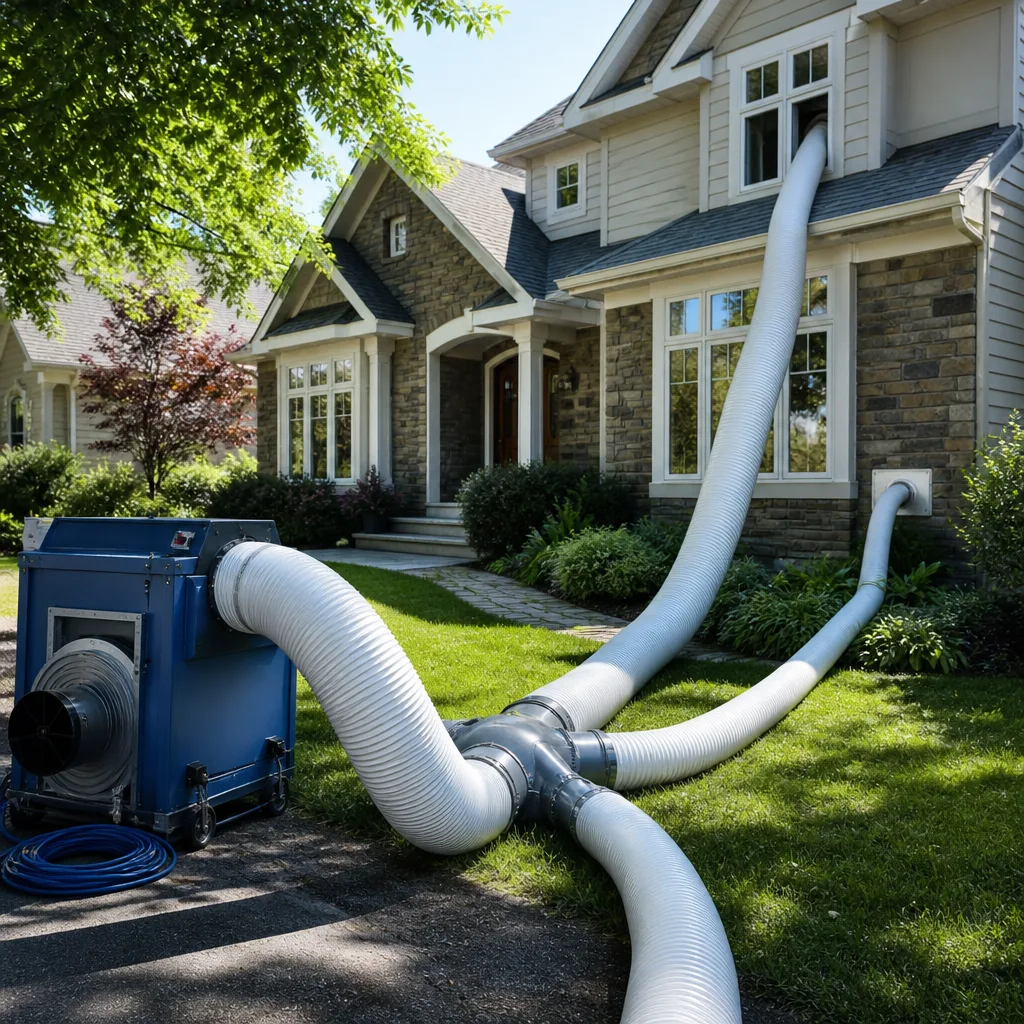 Whole-home duct cleaning
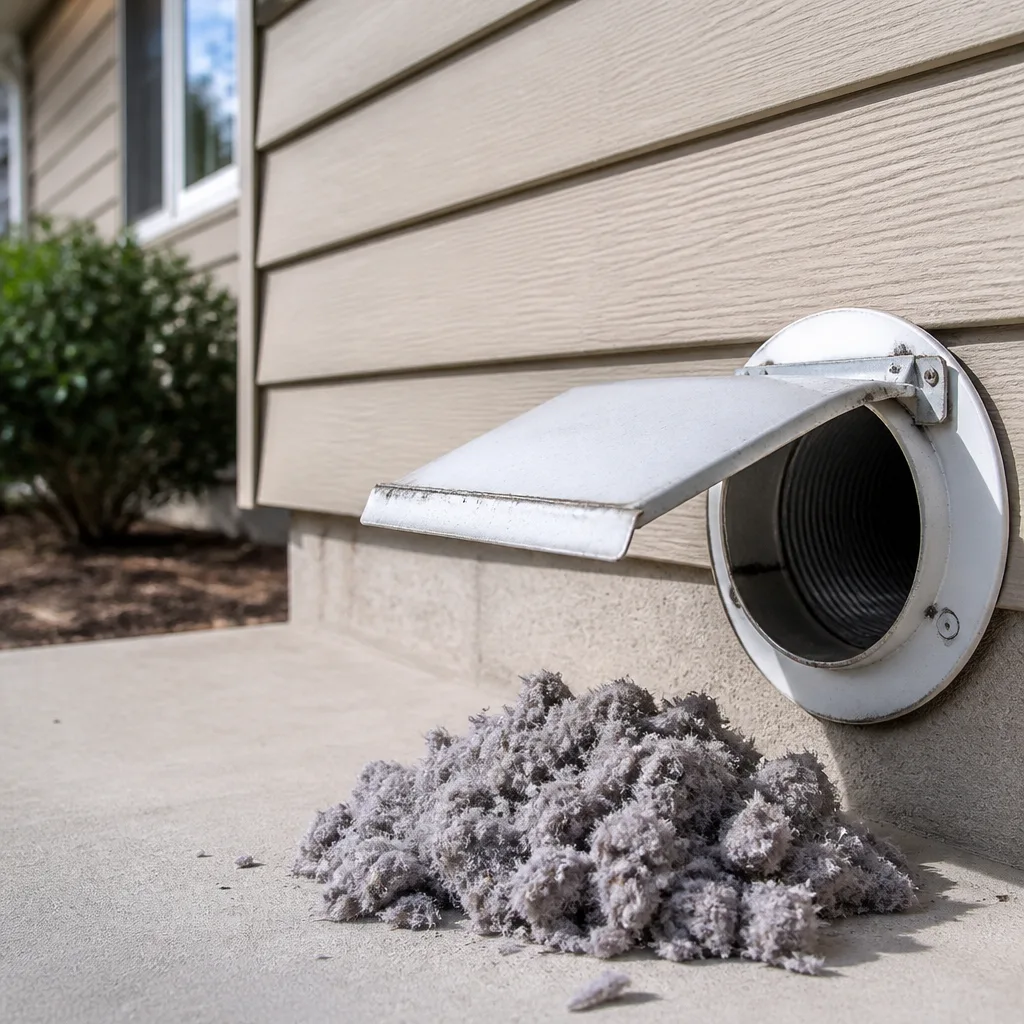 Dryer vent cleaning
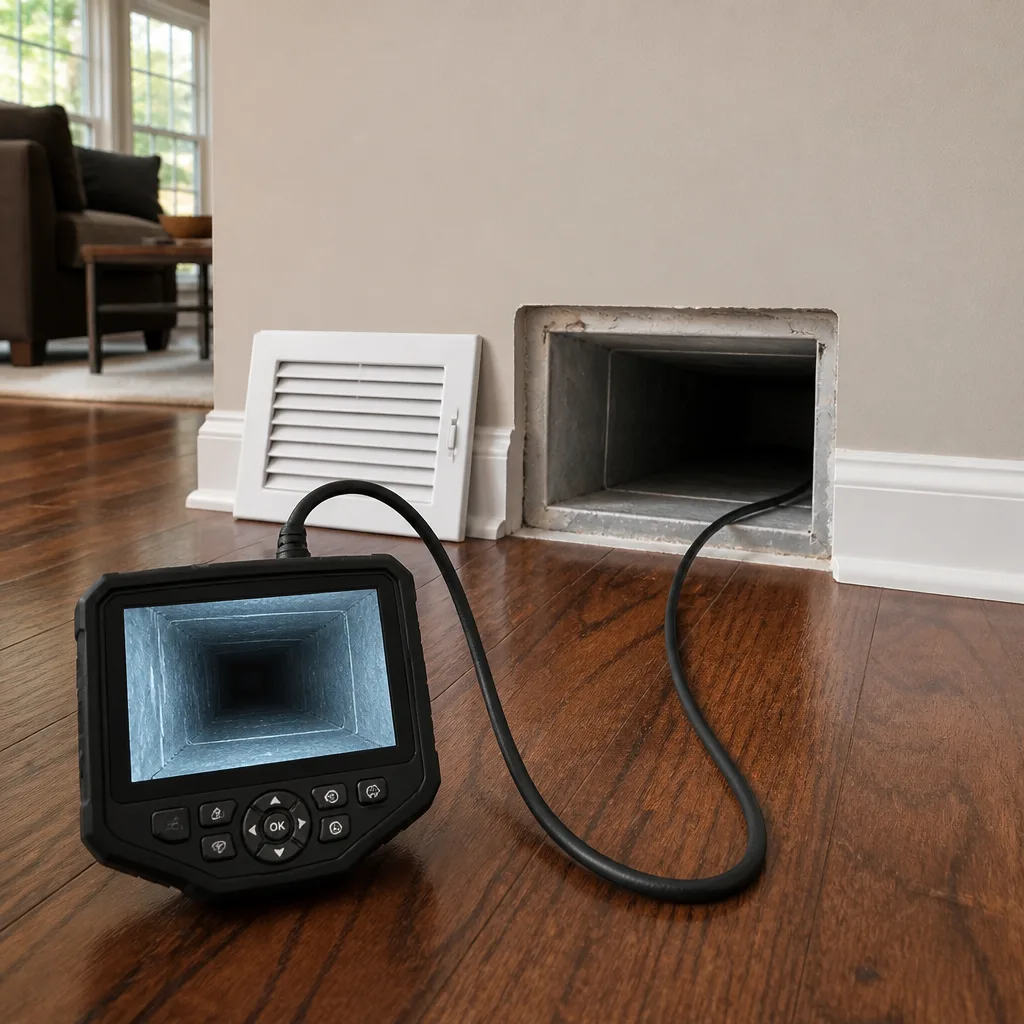 Camera inspection
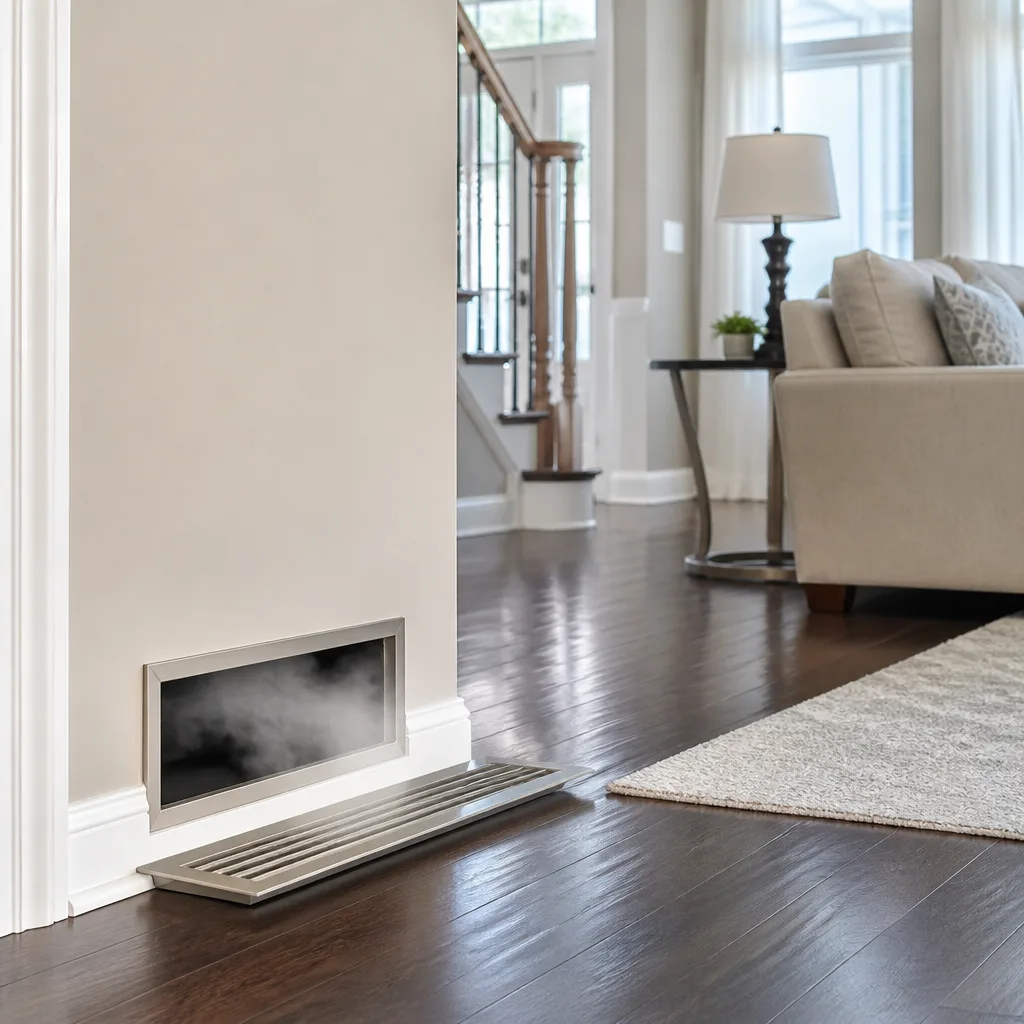 Sanitizing & deodorizing
Whole-system duct and dryer vent check with before-and-after photos - you see exactly what came out of your vents
That "$99 whole-house special" is a bait ad - the real number appears once they are in your hallway, or the "clean" is a shop-vac at the register. We photograph the inside of your ducts before and after instead.
Air Duct Cleaning Cost Breakdown: The French Park Homeowner’s Reference for 2026
A $99 whole-house duct cleaning quote and a $600 quote can both be fair prices, or both be ripoffs, depending on what’s actually included. The trouble is that the estimate sheet almost never tells you which. Most companies in this trade quote a number without explaining what drives it, so homeowners end up comparing prices across jobs of completely different scope, and the lowest number usually wins even when it buys the least work. This guide breaks down the real cost variables in the French Park market for 2026: linear footage, register count, duct material, access difficulty, and which add-ons earn their line. You’ll finish with a worksheet you can hold every quote against.
Quick Answer
Air duct cleaning in French Park typically runs $350 to $700 for a standard single-family home in 2026, with larger homes, difficult attic access, or heavy contamination pushing the job toward $900 to $1,200. The price should reflect the actual scope of the system, not a per-vent count, and a written estimate that itemizes the work is the only number worth comparing.
Styles & brands we work with
- Whole-home duct cleaning
- Dryer vent cleaning
- Camera inspection
- Sanitizing & deodorizing
Table of Contents
- What Actually Drives the Price
- 2026 French Park Market Rates by Cost Driver
- Why Per-Vent Pricing Inflates Quotes
- Add-Ons Worth Paying For vs. Profit Padding
- The Cost of Waiting
- Your Quote Comparison Worksheet
- How French Park’s Mild Winters Affect Duct Condition
- Common Mistakes to Avoid
What Actually Drives the Price
Duct cleaning isn’t a single product with a single price. It’s a scope of work, and the scope changes with five variables that a good estimator measures before quoting anything. When a company quotes you a flat number over the phone without asking about any of these, they’re guessing, and the technician who shows up will either do less than you expected or hand you a revised invoice.
The five drivers:
- Linear footage of ductwork. A 1,400-square-foot ranch might have 80 feet of trunk and branch runs. A two-story with a finished attic and separate zones can run 250 feet or more. Every foot holds dust, so every foot costs labor.
- Supply and return register count. Returns are the ones homeowners forget. A house with four returns takes longer than one with a single central return because each return plenum is a separate cleaning entry point.
- Duct material. Sheet metal cleans fast with a rotary brush. Flex duct needs lower pressure and a gentler touch so the inner liner doesn’t tear. Ductboard has an exposed fibrous interior that holds debris differently than metal.
- Access difficulty. A system with accessible plenums and labeled registers is straightforward. One buried behind drywall, jammed against a low roof deck, or missing access panels altogether can double the time on site.
- Contamination level and add-ons. A system with visible dust buildup is routine. One with biological growth, rodent debris, or post-renovation construction dust needs containment equipment and sanitizing.
Our technicians have up to 10 years of experience, and the first thing they do on a French Park job is measure the system rather than eyeball it. That measurement is what separates a real estimate from a coupon.
2026 French Park Market Rates by Cost Driver
Here’s where the ranges land in French Park for 2026. Treat these as typical estimates, not quotes: the written estimate you receive sets the final price. What matters is seeing how each variable moves the number, so you can tell whether a quote you’ve received is priced for the work you actually need.
| Cost Driver | Typical 2026 Range in French Park | What Moves It |
|---|---|---|
| Standard single-family home (up to ~10 registers, 100 ft of duct) | $350 to $500 | Register count, trunk length |
| Larger home (12 to 20 registers, 150 to 200 ft) | $500 to $800 | Returns, multiple zones |
| Heavy contamination or construction dust | $800 to $1,200 | Containment, repeat passes |
| Difficult access (crawl, low attic, sealed plenums) | Adds $100 to $250 | Time on site |
| Family standard home, roughly 1,400 to 1,800 sq ft, mild buildup | $500 to $800 | Square footage, partial flex duct, routine maintenance |
| Secondary residence, smaller footprint, few registers | $380 to $550 | Smaller system, minimal returns |
| Light-commercial or multi-zone system | $900 to $1,800+ | Zone count, rooftop or package unit access |
| Dryer vent cleaning (added to a duct job) | $90 to $160 | Run length, roof or wall termination |
| Coil cleaning (evaporator or condenser) | $150 to $300 | Access to the coil, unit type |
| Sanitizing treatment | $100 to $200 | Square footage, contamination type |
Compare those ranges to the $99 coupon. Either it covers a fraction of the system, or the technician arrives and the invoice climbs once the machine is in the driveway. That’s the pattern to watch for. Our approach is the opposite: we scope the whole system on the front end and give you one flat price per system before the work starts, so the invoice and the estimate are the same document.
Why Per-Vent Pricing Inflates Quotes
Per-vent pricing is the most common way a low headline number turns into a large invoice. The model charges a set fee for each register, so the more registers a home has, the more the job costs, regardless of how much dust is actually in the ductwork. It’s easy to market because $30 to $50 per vent sounds modest. Multiply it across 15 registers plus returns, and you’re at $600 before anyone discusses the trunk line.
The deeper problem is that per-vent pricing ignores the trunk, plenum, and main runs, which hold the majority of the debris. Cleaning registers alone is like vacuuming a room’s floor vents and never touching the carpet.
What a per-job or per-system quote signals is different in a useful way. A company that prices per system has to measure the system first. That means they’ve looked at the duct layout, counted the runs, and thought about access. Their quote reflects the actual labor, which is why they’re comfortable putting it in writing before the truck moves.
We price per system, and we use equipment that justifies the scope. The Rotobrush rotary-brush system agitates debris loose from duct walls and extracts it, rather than pushing air around inside the duct. A Nikro HEPA unit captures the fine particulate so it doesn’t end up settling on your furniture. When the price covers a full-system clean with real extraction equipment, it’s not a premium. It’s the cost of doing the job the way it actually needs doing.
If you’re weighing whether your own system is due, the homeowner guide for air duct cleaning walks through the signs that point to buildup versus the signs that don’t.
Add-Ons Worth Paying For vs. Profit Padding
Not every add-on on the estimate sheet serves the same purpose. Some fix real mechanical problems in the air pathway. Others exist to raise the ticket. Here’s the honest split, from what we see in French Park homes.
Add-ons with clear technical merit
- Coil cleaning. The evaporator coil sits wet for much of the cooling season, and a dirty coil restricts airflow and makes the compressor work harder. If the technician finds a dirty coil, cleaning it is real work with a measurable effect on system performance.
- Dryer vent cleaning. This one is a safety item, not a comfort upgrade. Lint accumulates in the vent run, and a restricted dryer vent is a recognized fire risk. If you’re already having the ducts serviced, folding in a proper dryer vent cleaning makes practical sense. It’s a separate service with its own scope, and it’s worth asking whether the technician will pull the vent line and brush the full run, not just vacuum near the dryer.
- Aerosol sealing. If the duct system leaks at the joints, sealing those leaks stops conditioned air from escaping into the attic or crawl space and stops dust from being pulled in. Sealing is the durable fix. Cleaning without sealing means the same leaks refill the ducts.
- Sanitizing after contamination. When there’s biological growth or rodent activity, a Guardsman-grade sanitizing treatment applied to the duct interiors is a reasonable follow-up to cleaning, not a substitute for it.
Add-ons that usually pad the bill
- Per-register “fogging” or deodorizing sprays with no cleaning behind them. A fragrance doesn’t remove debris and doesn’t fix the source of a musty smell.
- UV lights pitched as an all-purpose cure. They can help at the coil in some setups, but they don’t clean ducts and they don’t substitute for filtration upgrades.
- “Enzyme treatments” applied to a system that hasn’t been mechanically cleaned first. Sanitizing a dirty duct just coats the debris.
If you want a genuine air-quality upgrade alongside the cleaning, we install Aprilaire and Honeywell products, including higher-MERV filtration and humidity control, in the same visit. That’s an added service where the benefit is documented and the equipment is named, which is a different proposition from a mystery spray bottle.
When the duct system needs repair, we do it during the cleaning visit rather than scheduling a second trip. The HVAC cleaning page explains how coil and air-handler cleaning fits into the same scope.
The Cost of Waiting
Deferred duct cleaning doesn’t save money. It moves the cost to a different line item. A dirty system pushes dust through the filter faster, so filters load up and need replacing sooner. Restricted airflow makes the blower and compressor work harder, which shows up on the energy bill. And in a system with any moisture present, dust plus moisture is the combination that supports biological growth, which turns a cleaning job into a remediation job.
The comparison is worth setting out plainly, without inventing numbers that vary by home:
- Filter replacement. A system full of debris loads filters quickly. Every extra filter change is a cost you pay instead of cleaning.
- HVAC efficiency loss. A restricted air pathway means the equipment runs longer to condition the same space. The cost is real, it’s just spread across months of utility bills where it’s easy to miss.
- Mold remediation risk. If moisture combines with accumulated dust, what would have been a cleaning becomes a containment and remediation job. That’s a different category of cost and disruption entirely.
- Component wear. Blowers and motors working against restricted airflow wear out sooner. Replacement parts cost more than a cleaning.
In our experience, the more useful question isn’t “is cleaning worth it” but “what does the system look like right now.” In French Park’s mild climate, HVAC systems run nearly year-round for cooling in the warm months and for heating in the cooler ones, so the air pathway stays busy. That steady use is part of why buildup accumulates quietly.
Your Quote Comparison Worksheet
Here’s the tool to take to every estimate. Require these line items in writing before you authorize any work, and hold each quote side by side against them. A quote missing half these items isn’t a cheaper quote. It’s a quote for less work.
- System scope in feet and registers. Ask for the linear footage of duct being cleaned and the number of supply and return registers included. If the estimator can’t tell you, they haven’t measured.
- Cleaning method and equipment named. Ask exactly what machine will be used. A rotary brush with HEPA extraction is a different job than a shop vac and a hand brush.
- Whether the trunk and plenums are included or only the branch runs. Most debris lives in the trunk.
- Whether the air handler and coil are included or priced separately.
- Access panel work. Will they cut and seal access panels where none exist, and is that in the price?
- Repair and sealing. Ask whether they’ll seal leaks found during cleaning, and whether that’s quoted or discovered later.
- Containment equipment for contamination. If there’s mold or pest debris, ask what negative-air containment they’ll use.
- Before-and-after photos of your own system. This is the proof the work happened. Ask for it in writing.
- One flat price per system, no per-vent tally. The price you authorize should be the price you pay.
- Whether dry cleaning or wet cleaning is used for your duct material. Flex and ductboard should never be wet-washed.
Our standard is to give you a written estimate with the scope itemized, show before-and-after photos of your own ducts, and agree one flat price per system before work begins. If a quote you’ve received can’t answer these ten items, that’s information worth having.
How French Park’s Mild Winters Affect Duct Condition
Mild winters change the duct-cleaning equation in ways that don’t get talked about enough. In colder climates, the heating season creates long dry stretches, and dust tends to settle. Here, the HVAC system runs for cooling well into the warm months and for heating through the cool ones, so the air pathway moves a lot of air year-round. That’s steady airflow through the ducts, which keeps fine dust suspended and circulating rather than settling in one place.
The practical consequence is that a French Park system can look clean at the registers while the trunk and plenums carry a layer of debris. It’s also a reason to look at humidity control, not just cleaning. In a mild climate, the cooling system runs long enough that evaporator coils stay damp, and a damp coil is where biological growth likes to start. That’s why we install Aprilaire and Honeywell humidity and filtration products where they fit the system. Getting moisture under control is often more valuable than cleaning alone.
For contamination-sensitive jobs, we bring in Abatement Technologies negative-air equipment so the work area stays contained while the ducts are cleaned. That’s the kind of capability you want if anyone in the household has respiratory sensitivity, and it’s a different class of service than a coupon crew can offer.
Our technicians have up to 10 years of experience reading exactly these patterns in local homes. We clean the whole system, not just the registers, because the registers are the part you can see and the trunk is the part that matters.
Common Mistakes to Avoid
- Comparing only the bottom-line number. A $300 quote and a $700 quote are only comparable if both itemize the same scope. Ask for the worksheet line items and compare scope to scope, not price to price.
- Accepting a per-vent price over the phone without a walkthrough. Per-vent quotes are generated without anyone measuring the system, and they get revised once the technician is on site. Ask for a per-system quote after a measurement.
- Skipping the repair and sealing conversation. Cleaning a leaky duct system and leaving the leaks is like mopping a floor with the tap running. Ask whether sealing is part of the scope.
- Hiring a shop-vac-and-brush outfit for a contamination job. If there’s visible mold or pest debris, containment equipment isn’t optional. Ask what negative-air gear they’ll use before you book.
- Forgetting the dryer vent. It’s a separate service with a real safety rationale, and it’s easy to overlook when the focus is on the HVAC ducts. Fold it into the same visit if the scope allows.
- Not asking for before-and-after photos. The single most reliable way to know the work happened is to see your own ducts before and after. Put the request in writing.
- Assuming a musty smell means the ducts are dirty. Odors can come from the coil, a damp crawl space, or the condensate line. A good technician diagnoses the source rather than selling a cleaning as a cure-all.
See the difference
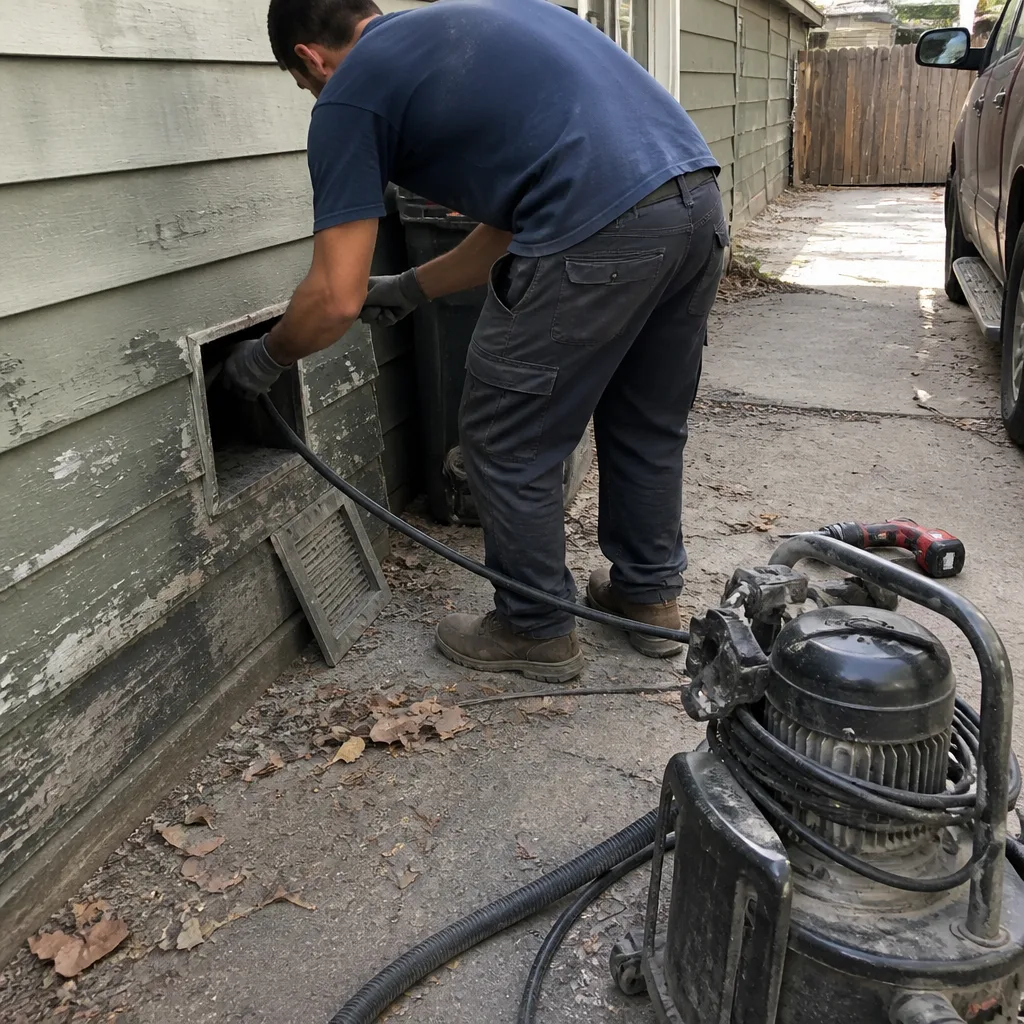 Before
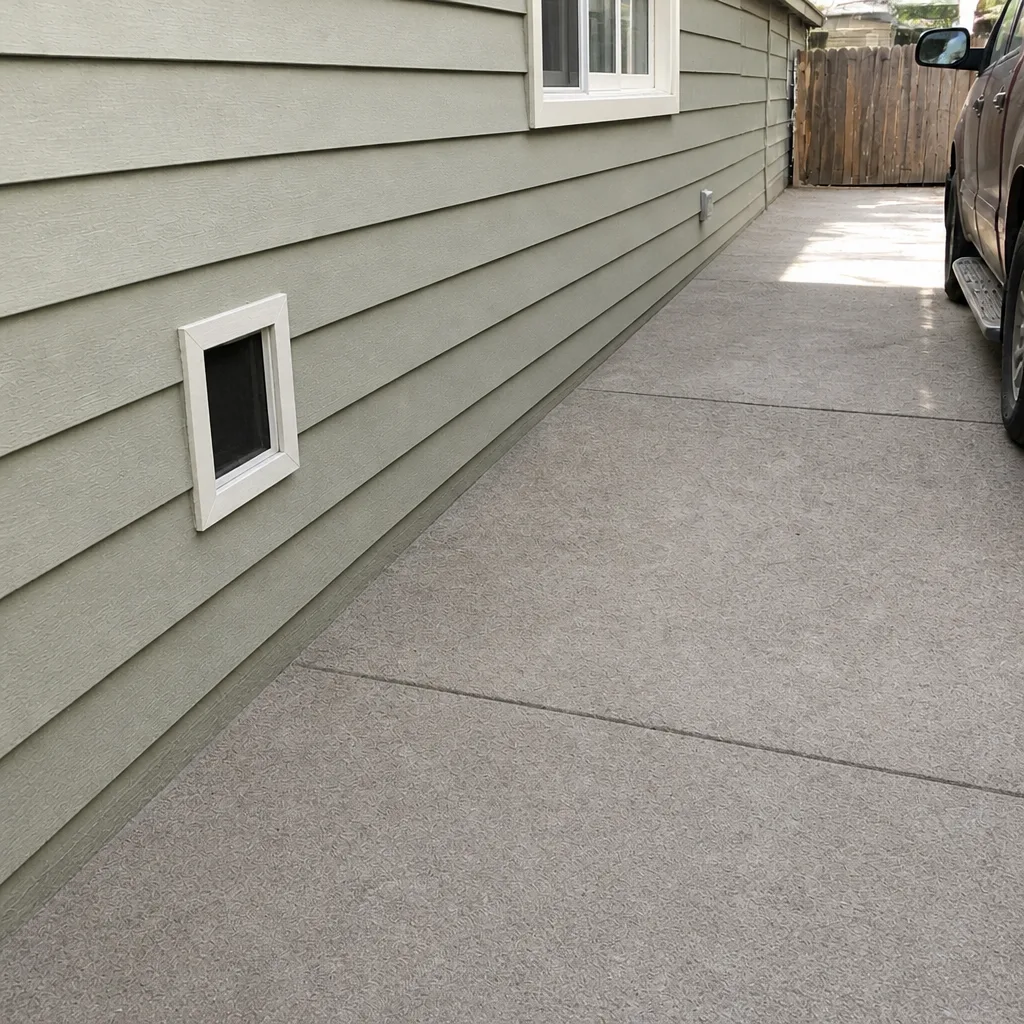 After
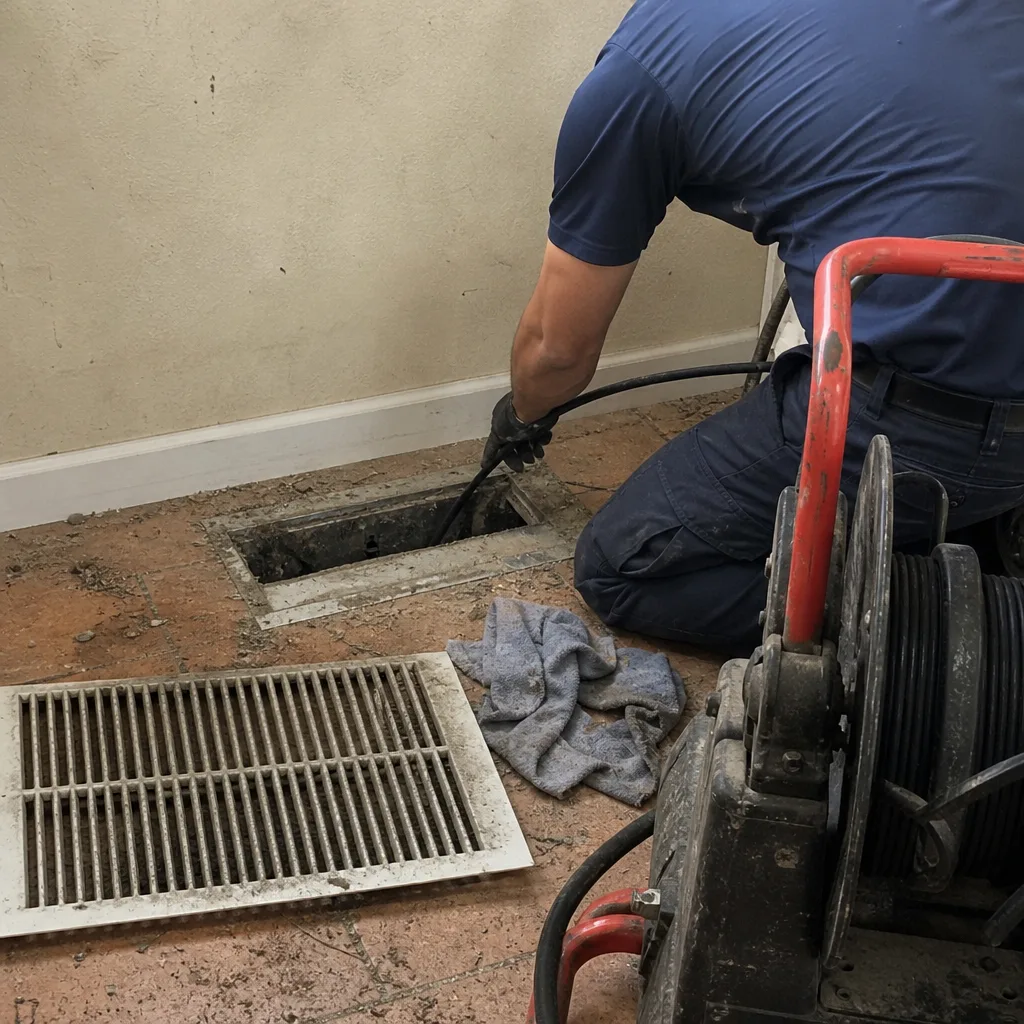 Before
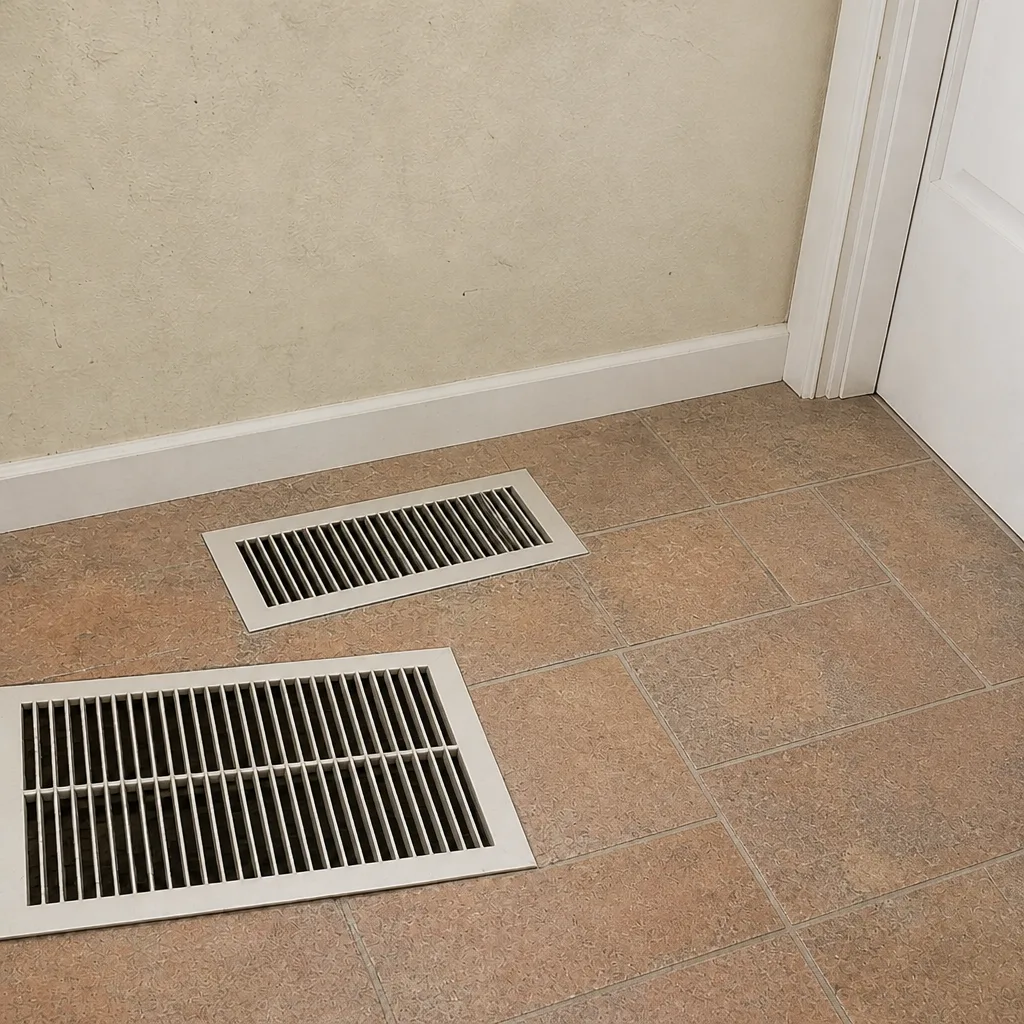 After
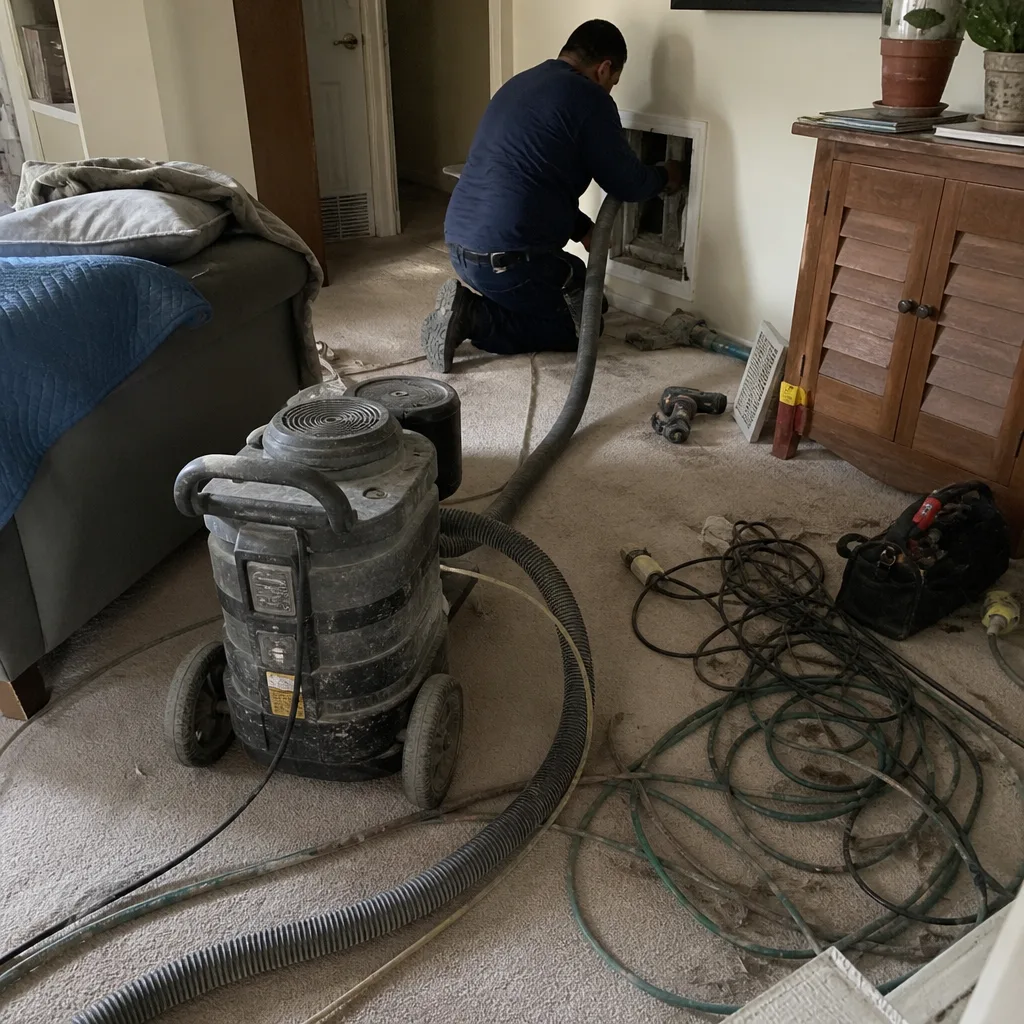 Before
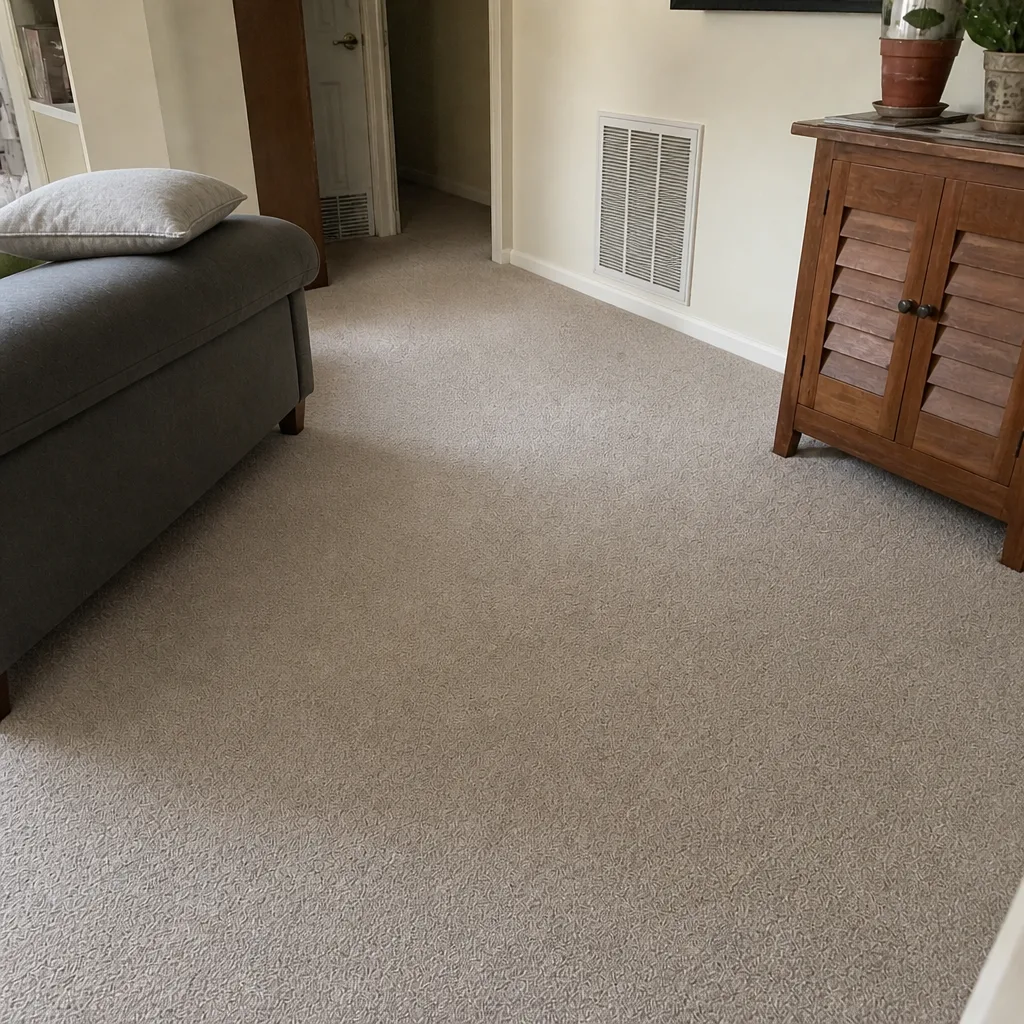 After
When to Call a Professional
Some situations clearly warrant a call sooner rather than later. Visible dust blowing from registers when the system kicks on. A musty or stale smell that returns quickly after filter changes. A recent renovation that left construction dust circulating through the house. Visible biological growth or pest debris anywhere in the air pathway. A system that hasn’t been cleaned in many years and is showing signs of restricted airflow. Anyone in the household with respiratory sensitivity that seems worse indoors.
If you’re facing one of those, Air Duct Cleaning French Park offers free estimates in French Park. Call (833) 509-5212. We answer 24/7. Fast dispatch from 7am to 7pm, Sunday through Friday. We’ll measure the system, give you a written estimate, and agree one flat price per system before we start.
Frequently Asked Questions
Air duct cleaning in French Park typically costs $350 to $700 for a standard single-family home in 2026, and $900 to $1,200 for larger homes or heavy contamination. The final price depends on linear footage, register count, duct material, and access difficulty. Call (833) 509-5212 for a free estimate. We answer 24/7. Fast dispatch from 7am to 7pm, Sunday through Friday.
Cheap quotes usually cover less work: registers only, no trunk and plenums, no repair and sealing, no containment equipment. A $99 quote isn’t a lower price for the same job; it’s a price for a smaller job, and it often gets revised upward once the technician arrives. Ask for an itemized, per-system estimate before you authorize anything. Call (833) 509-5212 to compare a written scope against what you’ve already received.
Ask for before-and-after photos of your own ducts, taken during the job. That’s the most direct proof, and a company confident in its work will provide it without pushback. We photograph before and after on every job. Call (833) 509-5212 to book an estimate and ask about the photo record.
For most homes, a duct cleaning every three to five years is reasonable, though a recent renovation, a pest problem, or visible mold means sooner. Homes with pets or heavy dust loads often benefit from a more frequent schedule. Call (833) 509-5212 for a free estimate and a straight answer on your specific system.
Per-vent pricing isn’t automatically dishonest, but it’s the most common way a low quote inflates once the technician is on site, and it often excludes the trunk and plenums where most debris collects. A per-system price based on an actual measurement is the more transparent model. We quote per system, one flat price agreed before work starts. Call (833) 509-5212 for a written estimate.
Cleaning removes the debris; sanitizing treats what’s left after cleaning when there’s biological growth or contamination. Sanitizing without cleaning first doesn’t help, because it coats the debris rather than removing it. The right answer depends on what the technician finds in your system. Call (833) 509-5212 to schedule a free estimate and get a specific recommendation.
The Bottom Line
Duct cleaning prices in French Park vary because the work varies, and the honest way to compare quotes is by scope, not by the bottom-line number. Measure the system in linear feet and registers. Demand an itemized, per-system estimate that names the equipment. Ask whether trunk, plenums, repair, and sealing are included. And ask for before-and-after photos. A quote that can’t answer those items is a smaller job than it looks, and the cheapest quote is rarely the best value. Start with a free estimate and a written scope, and you’ll know exactly what you’re buying before anyone touches the system.
Call (833) 509-5212 for a free estimate. We answer 24/7. Fast dispatch from 7am to 7pm, Sunday through Friday. Your air duct cleaning French Park estimate is itemized, the price is agreed per system before work starts, and you’ll get before-and-after photos of your own ducts.
Written by the team at Air Duct Cleaning French Park.