
Last updated November 24, 2026
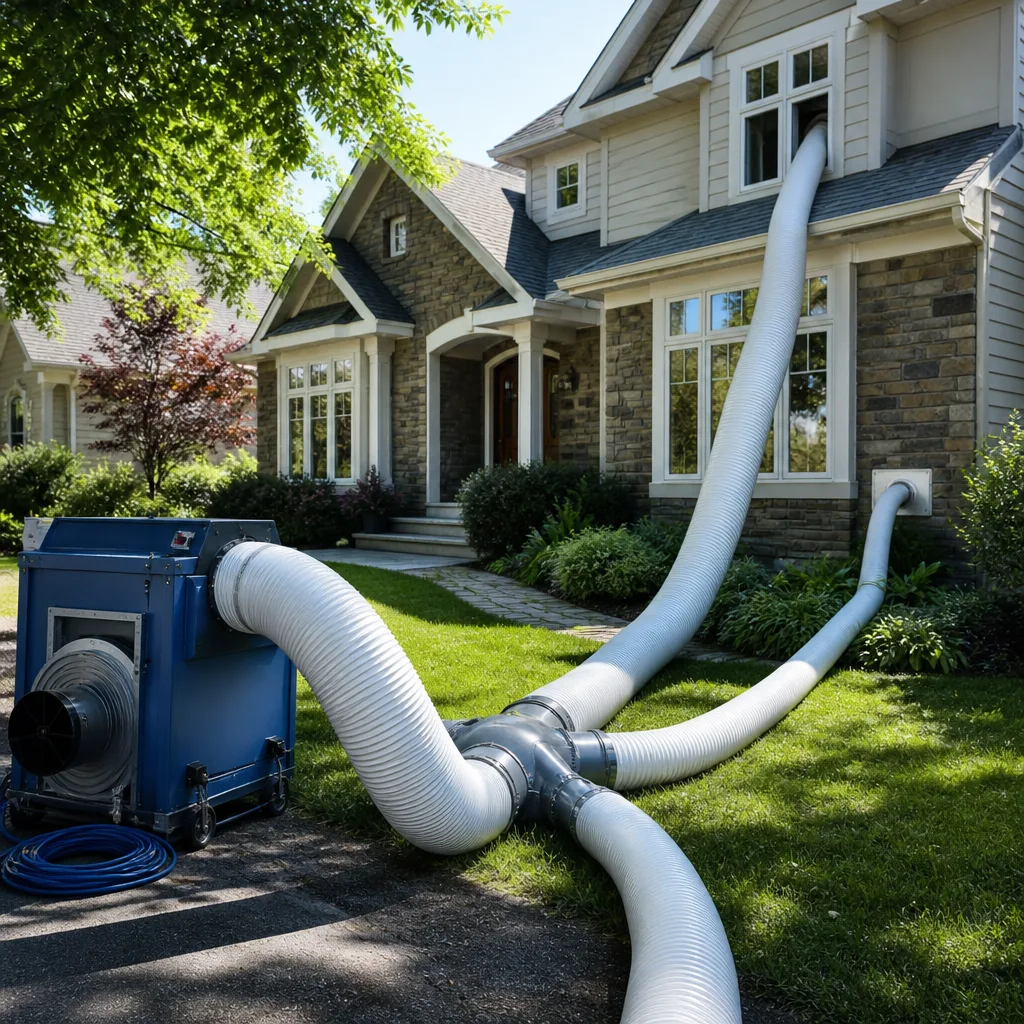 Whole-home duct cleaning
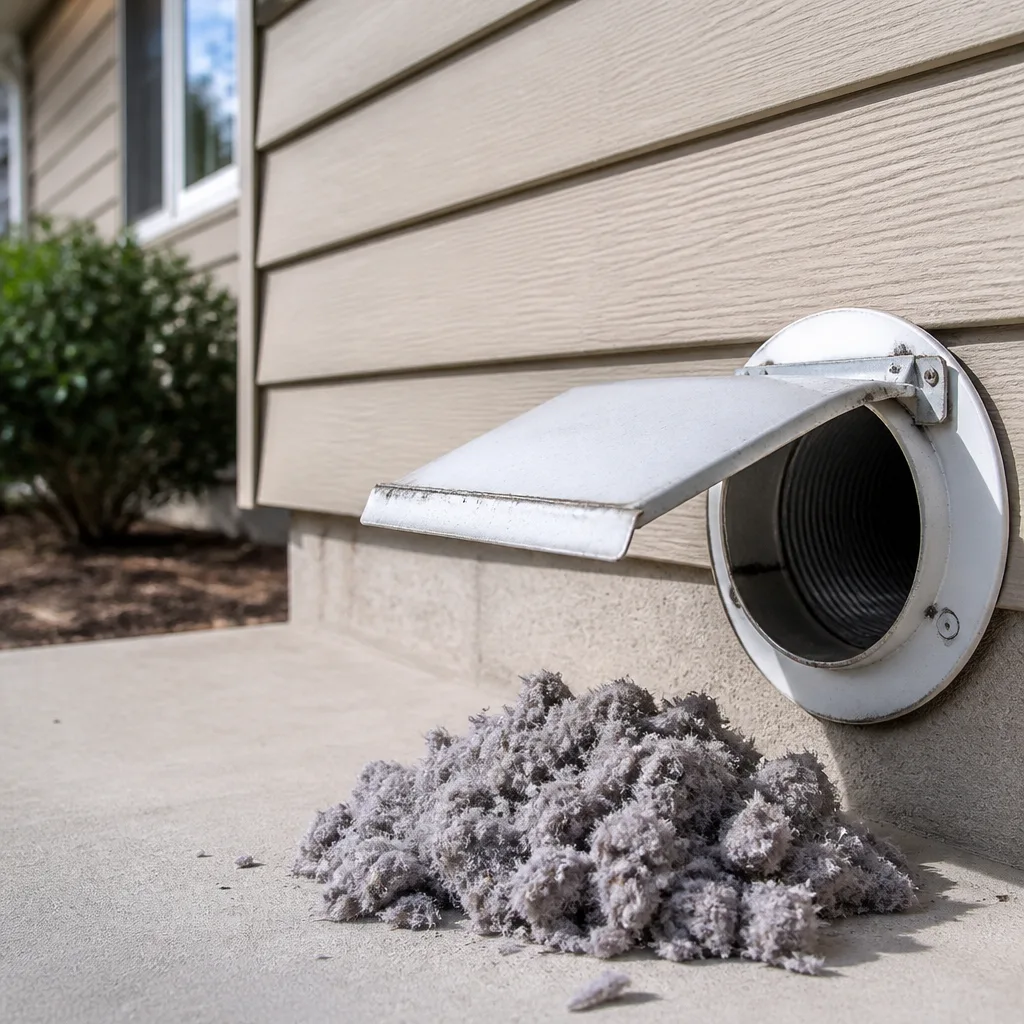 Dryer vent cleaning
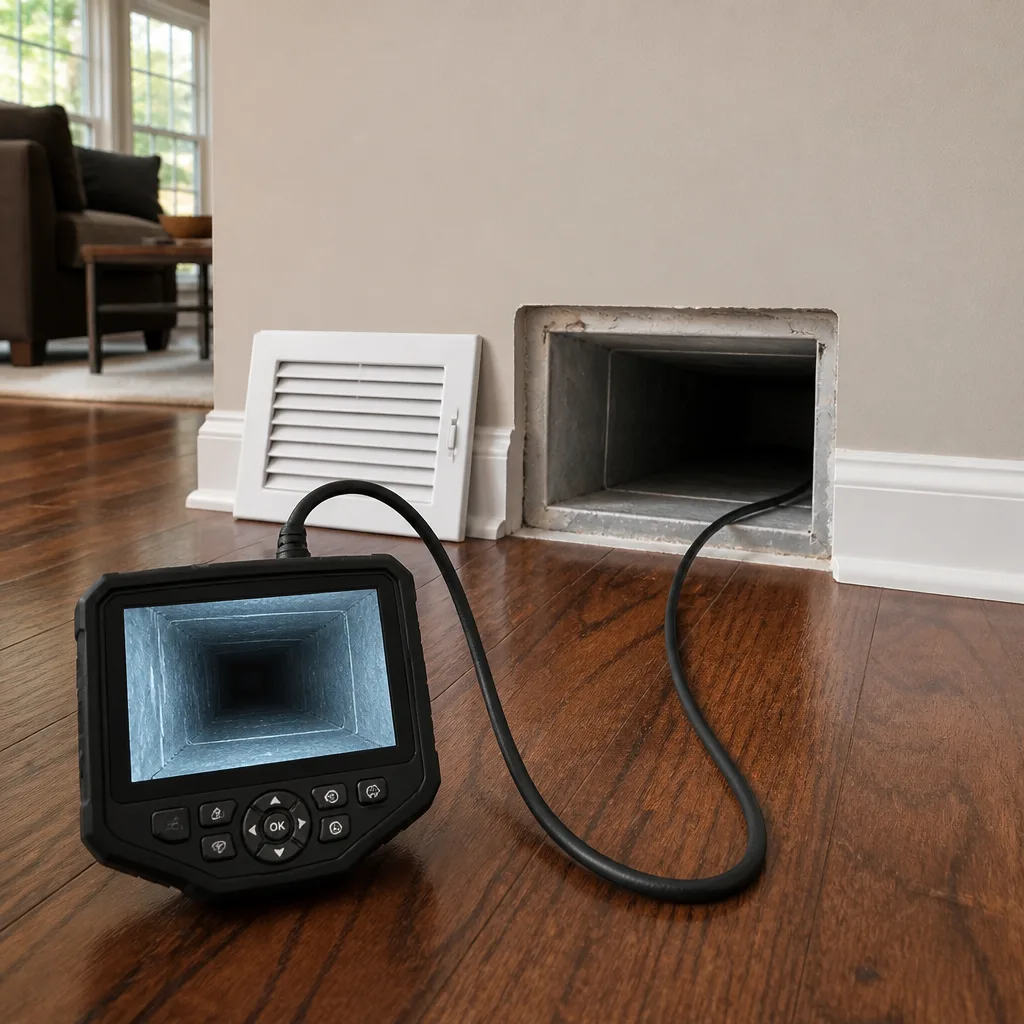 Camera inspection
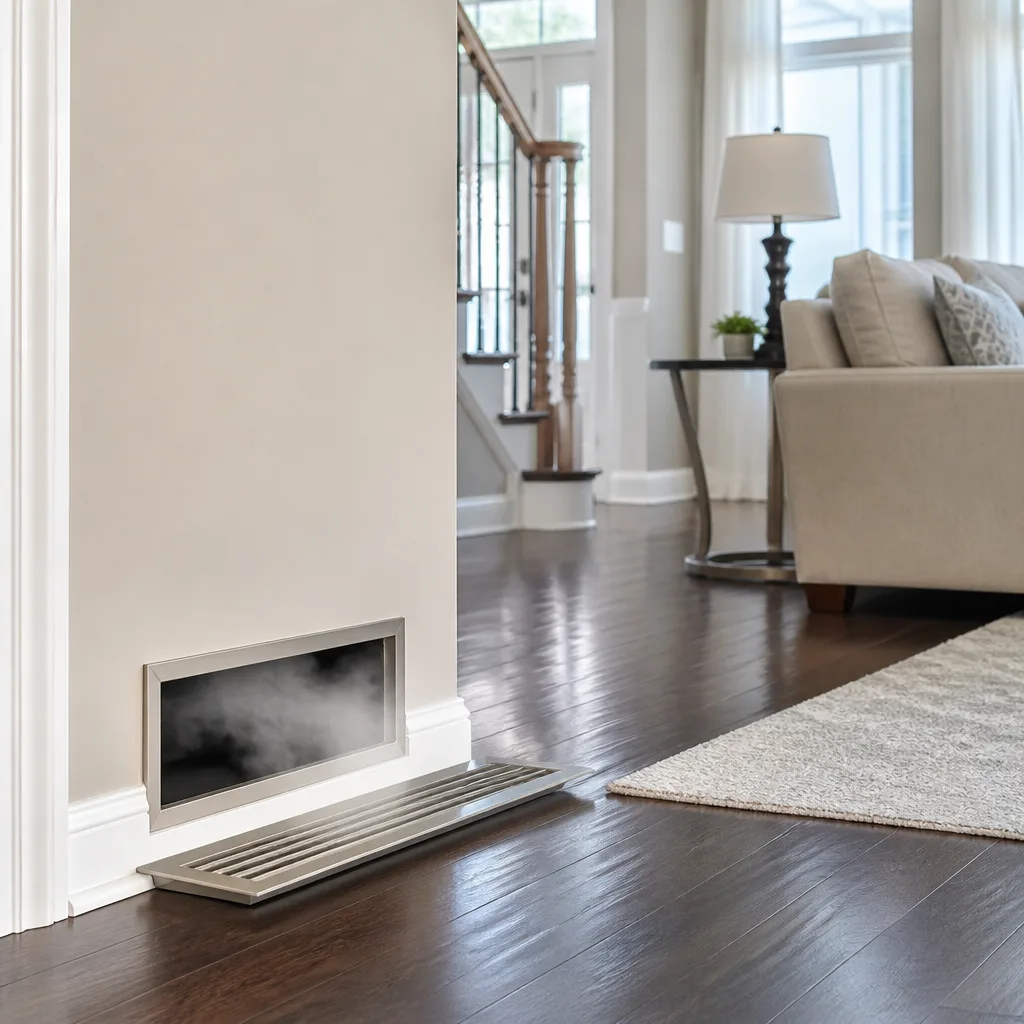 Sanitizing & deodorizing
Whole-system duct and dryer vent check with before-and-after photos - you see exactly what came out of your vents
That "$99 whole-house special" is a bait ad - the real number appears once they are in your hallway, or the "clean" is a shop-vac at the register. We photograph the inside of your ducts before and after instead.
Air Duct Cleaning Emergency Preparedness Guide for French Park Homes
Here’s the part most people get wrong: when the sky over French Park finally clears after a wildfire, they assume the air indoors is safe again because they can’t smell smoke anymore. But the fine particles that slipped into the return side of an HVAC system don’t leave when the wind shifts. Every time the system cycles on, it can pick those particles back up and push them through the house again. We wrote this guide to close that gap. You’ll learn how smoke and ultrafine particles behave inside ductwork, a step-by-step protocol for before, during and after an air-quality event, and how to document it all for an insurance claim.
Quick Answer
Duct systems in French Park need professional attention after a wildfire smoke event, storm-driven construction dust, or water intrusion because standard MERV-8 filters don’t capture submicron smoke particles, and those particles settle on duct surfaces where the HVAC redistributes them for weeks. The right response is to shut the system off during heavy smoke, upgrade filtration immediately, document conditions for insurance, and schedule an inspection to decide between cleaning and full-system remediation. Pre-event duct sealing and filter upgrades reduce how much contamination gets in next time.
Styles & brands we work with
- Whole-home duct cleaning
- Dryer vent cleaning
- Camera inspection
- Sanitizing & deodorizing
Table of Contents
- Which Emergencies Actually Require Duct System Intervention
- Why Wildfire Smoke Particles Reach Your Ducts When Dust Doesn’t
- The Post-Event Protocol: Step by Step
- Documenting a Smoke or Water Event for Insurance
- Pre-Event Preparation That Cuts Future Contamination
- Inspection vs. Cleaning: How to Tell Which You Need
- Cleaning the Whole Air Pathway, Not Just the Registers
- Seasonal Air-Quality Readiness for French Park Households
Which Emergencies Actually Require Duct System Intervention
Not every smoky afternoon warrants a duct cleaning call. What matters is whether contamination has moved from the indoor air into the system and settled on surfaces. In French Park, three event types cross that line with some regularity: wildfire smoke intrusions, construction dust from storm damage repair, and water intrusion.
Wildfire smoke is the biggest one. The San Fernando Valley geography funnels smoke and ash into residential neighborhoods, and smoke doesn’t just pass through a house the way a breeze does. It gets pulled in through return grilles, on the pressure difference created by the air handler, and it deposits along the return plenum, the interior of flex and sheet metal runs, and the evaporator coil. Ash and char also settle on exterior intake screens and get drawn in once the system starts running again.
Construction dust is the second scenario. After wind or storm damage to roofs, fences and outbuildings, the repair work itself creates fine drywall dust, insulation fibers and sawdust. If the HVAC runs during that repair, you’re essentially asking it to vacuum the worksite. The third is water intrusion, whether from storm-driven roof damage above a ceiling or from an HVAC condensate pan that overflows. Moisture in a duct system is different from dry contamination because it feeds biological growth.
Things that usually don’t require duct intervention on their own:
- A single gusty day of blowing dust with the windows closed
- Cooking smoke cleared by a working range hood
- One brief pressure drop during a nearby controlled burn
- A dusty house after remodeling a single bathroom with the door sealed
The distinction isn’t about how bad it looked outside. It’s about how long the system ran while contamination was present and whether moisture entered the equation. If the smoke event lasted several days and the HVAC stayed on, expect the system to need at least an inspection. If the answer is water, schedule it promptly.
Why Wildfire Smoke Particles Reach Your Ducts When Dust Doesn’t
This is the technical heart of the guide, so bear with us. Smoke from a wildfire is not the same as household dust, and the difference explains why a MERV-8 filter that works fine all year suddenly seems useless during a smoke event.
Household dust is a mix of skin cells, textile fibers, pet dander and mineral grit, and most of those particles run from 10 microns up to a few hundred microns. MERV-8 filters, which are the standard in most French Park homes, catch the majority of particles in the 3 to 10 micron range reasonably well. That’s exactly why a MERV-8 does its job for everyday dust.
Wildfire smoke is a different animal. The visible plumes you see are mostly water vapor and larger ash, but the particles that matter – PM2.5 and the ultrafine fraction below 0.1 micron – travel much farther and behave differently. They pass through a MERV-8 media filter in large numbers because the filter’s fibrous structure simply doesn’t present enough capture surface at that scale. They stay airborne for hours or days, and because they carry an electrostatic charge from the combustion process, they’re drawn to surfaces inside the duct.
Here’s the part that catches homeowners off guard. The particles don’t just sit on the bottom of a horizontal run. They adsorb onto galvanized sheet metal, the inner walls of flex duct, the fins of the evaporator coil, and the blower wheel. Once they’re on a surface, moving air over them again is enough to lift a fraction back into suspension. That’s why a system that “seemed fine” weeks after a smoke event can still produce a faint acrid smell when the heat kicks in, or why a family notices headaches and irritated eyes returning every time the thermostat cycles.
The practical takeaway: the visible part of a smoke event passes in days, but the duct system can remain a reservoir for much longer. That’s why we recommend treating a significant smoke event like a two-step process, first stopping the intake during the event, then cleaning afterward.
The Post-Event Protocol: Step by Step
This is the numbered sequence we walk French Park homeowners through. It assumes the event is already underway or has just ended.
- During heavy smoke, shut the HVAC off. If you can see or smell visible smoke and the outdoor air quality is in the unhealthy range, turn the system to “fan off” at the thermostat. Running the system pulls contaminated outside air in through the return, past the filter, and it distributes it through every register. This is the single most important decision during the event.
- Seal the intake paths you can reach. Close the fresh-air intake damper if your system has one, and confirm windows and exterior doors are shut. HEPA portable air cleaners in the main living spaces help while the system is off.
- When outdoor air returns to normal, change the filter before restarting. A filter loaded with smoke and ash is a restriction and a reservoir. A fresh filter is not a fix for contaminated ducts, but it’s the right starting point.
- Upgrade filtration immediately. Move from MERV-8 to MERV-13 or higher, subject to your air handler’s static pressure rating. This is where Aprilaire and Honeywell filter cabinets and media filters come into play. A high-MERV filter in a properly sized cabinet catches much more of the 1 to 3 micron band on the next smoke event.
- Run the system on “fan on” for a day or so after the smoke clears. This circulation plus the upgraded filter is the practical middle step. It doesn’t fix contaminated duct surfaces, but it helps clear residual particles from the air itself.
- Call for a duct and HVAC inspection if any of these apply: the event lasted more than a couple of days, the system ran during the smoke, there’s a lingering odor when the heat comes on, or anyone in the household has asthma, allergies or other respiratory sensitivity. Inspect before you clean; cleaning is a decision, not a default.
- If water intrusion is the event, stop and treat it as urgent. Turn the system off, call your insurer, and get the duct system inspected before restarting. Dry contamination can wait; wet contamination should not.
That’s the protocol in full. The most common mistake we see is skipping step one and running the fan during a smoke event because it seems like it should be helping. It isn’t. During the event, the goal is to keep the system from pulling in new contamination.
Documenting a Smoke or Water Event for Insurance
Insurance claims for duct and HVAC contamination grow or shrink based almost entirely on what you can prove. If you want a fair outcome, document early and thoroughly. Here’s the record set we advise building for any event in French Park that might touch a claim.
- Capture the event itself. Local air quality index screenshots, photos of visible smoke, ash on outdoor surfaces, and the date the event started and ended.
- Photograph the HVAC system before anyone touches it. Return grilles, filter, evaporator coil housing, and the visible ductwork at the air handler. Take the photos with the system off.
- Keep the filter you remove. Bag and label it with the date. That’s your physical evidence of particulate loading. Note the filter model and its MERV rating.
- Record what the system did and when. A written timeline – “system on from this date to that date,” “shut off when smoke became visible,” “water observed under the air handler on X date” – is worth more than a hundred photos if the adjuster has to reconstruct the event.
- Get a written professional inspection before cleaning. Ask for a condition report that names what was observed (visible debris, microbial growth, moisture present, damaged duct connections) and recommends a plan. Include the date and contractor information.
- Keep the cleaning records afterward. Invoice, before-and-after photos, the equipment used, and the sanitizing product applied.
One documentation habit that pays off repeatedly: photograph the HVAC system when it’s clean and healthy, once a year, on the same date if you can. When a future event happens, you have a baseline. Without it, an adjuster can’t tell new contamination from old.
Pre-Event Preparation That Cuts Future Contamination
We frame everything below as mitigation investment, not as a service upgrade pitch. Every item reduces what gets into your duct system during the next wildfire smoke event, storm, or repair job. The cumulative effect on indoor air across a decade is significant.
Duct sealing. Most homes in French Park have at least some leaking duct connections, especially at flex duct collars, boots at the register, and the plenum-to-air-handler transition. Those leaks are also infiltration points. When the pressure outside differs from inside, smoky air finds its way into the duct through the very gaps that are bleeding cooled air into your attic. Sealing duct leaks improves efficiency during the hot months and reduces contamination intake during a smoke event. We offer air duct cleaning alongside duct repair and sealing for exactly this reason. The two are closely related, and doing them together is more useful than doing them separately.
Filtration upgrade. A properly sized MERV-13 or higher filter cabinet, from Aprilaire or Honeywell, keeps more fine particles on the filter and out of the duct system and evaporator coil. Size it to the air handler’s capacity so you’re not trading filtration for airflow restriction.
Return-side sealing at the grille. The gap between the return grille face and the drywall is often the largest uncontrolled infiltration path in a house. Sealing it with an appropriate gasket, from the inside of the grille frame, is inexpensive and reduces how much ambient smoke gets drawn in. A HVAC cleaning visit is a good time to have this checked.
Condensate management. Confirm the condensate drain pan tilts correctly toward the drain, that the drain line isn’t clogged, and that the float switch (if you have one) is functional. In our experience the single most common water-intrusion cause in an HVAC system isn’t a storm at all; it’s a slow overflow nobody notices until they see staining on the ceiling below the air handler.
Dryer vent maintenance. Not a duct contamination point in the HVAC sense, but a clogged dryer vent is one of the leading causes of residential fire loss, and that loss is often followed by a smoke event inside the home. Regular dryer vent cleaning closes this gap. It’s part of the same pre-event readiness thinking.
Inspection vs. Cleaning: How to Tell Which You Need
A professional inspection is not the same as a cleaning job. The inspection is a diagnostic step, and its purpose is to decide whether cleaning is warranted. In our experience far too many homeowners skip the diagnosis and go straight to a coupon-price cleaning, which either cleans the wrong thing or misses contamination that matters.
Signs that warrant inspection after an event:
- Acrid or smoky smell when the heat comes on, or when the system first ramps up
- Visible dark deposits at return grilles or on register vanes
- Any water observation in or near the air handler
- Recent wildfire, roof damage or interior construction dust
- Someone in the household with new or worsening respiratory symptoms
- Increased energy bills without an obvious cause
- Uneven airflow between rooms, especially after a storm
Signs that cleaning is warranted without an inspection first:
- Visible biological growth on duct interior surfaces, especially any growth that looks fuzzy or spreads
- Significant debris visible when you remove a register (vermin nesting, insulation fragments, drywall chunks)
- A documented pest infestation in the HVAC system
- Ongoing musty odor that persists after a filter change
Even for the second list, an inspection happens as part of the cleaning visit. We use Rotobrush rotary-brush equipment and HEPA-rated Nikro vacuum to look at the condition of the duct interior while we work. If we find a separated duct section or a disconnected collar, we repair and seal it before the cleaning proceeds; otherwise we’d be cleaning a system that immediately re-contaminates.
For contamination-sensitive environments, including homes with occupants who have respiratory conditions or any situation involving biological growth, we bring in Abatement Technologies negative-air machines. That’s the equipment tier that lets us contain fine particulate and spores during cleaning rather than letting them migrate through the house. If an inspection is on your radar after an event, this is the equipment quality to ask about when you’re comparing quotes.
Cleaning the Whole Air Pathway, Not Just the Registers
The duct system is only one segment of the air pathway in a home. What enters the living space passes through the return grille, the return duct, the air handler filter, the evaporator coil, the supply plenum, the supply runs and finally the register. If the goal is post-event remediation, every segment in that list has to be addressed, or at least inspected. Cleaning the visible runs and leaving a contaminated evaporator coil untouched just means the system keeps distributing fine particulate from the coil face.
That’s why we treat duct cleaning, HVAC cleaning, duct repair and sealing, and sanitizing as connected services rather than separate line items. On a post-event job, a typical sequence runs like this:
- Inspection with camera and static-pressure check
- Containment, using negative-air equipment if the situation calls for it
- Rotary-brush agitation of the duct interior and HEPA extraction of the loosened debris
- Coil, blower and cabinet cleaning on the air handler
- Repair and sealing of any damaged or disconnected duct sections
- Sanitizing treatment of duct interiors on request; we apply Guardsman-grade sanitizing solutions where the situation supports it
What you end up with at the end of that sequence is a system that has been reset to a known-clean state. That matters not just for the immediate event, but for the next one. A clean, sealed, properly filtered system will accept less contamination from the fire two summers from now than the state it was in before you had it cleaned.
This is also where indoor air quality upgrades fit naturally. If you’re already having the system inspected and cleaned, adding an Aprilaire or Honeywell filter cabinet or humidity control isn’t an add-on for its own sake. It closes the filtration gap that let the last event contaminate the system in the first place. One visit can handle the full sequence, and we build the written estimate around the actual condition of the system rather than a package. For a sense of how we approach the broader service, see air duct cleaning in French Park.
Seasonal Air-Quality Readiness for French Park Households
Emergency preparedness is really a calendar problem in French Park. Fire season here doesn’t have a hard start and stop, but the risk window clusters from late summer into fall, and it overlaps with the Santa Ana wind periods that push smoke deep into the Valley. That’s the moment to check readiness, not the morning you smell smoke.
A simple quarterly check that pays off year-round:
- Once each season, inspect the filter and note the MERV rating. If it’s still MERV-8, plan the upgrade to MERV-13 during a scheduled service visit rather than mid-event.
- Before fire season, confirm return-side intake sealing and check that any fresh-air intake damper closes fully.
- Before the hot months, verify condensate management (covered above) so water intrusion doesn’t sneak up on you during the summer cooling load.
- After any wildfire smoke event that lasted more than a couple of days with the system running, schedule an inspection.
- Annual duct inspection for homes near recent construction or areas with heavy tree cover, where wind-blown debris builds up faster.
One more point on documentation: keep a maintenance log. Filter changes, inspection dates, cleaning and sealing records. If a future event forces a claim, or if you’re a property manager answering an owner, the log is worth more than any verbal recollection. It’s also the difference between a claim that resolves quickly and one that drags.
Common Mistakes to Avoid
- Running the HVAC during heavy smoke. This pulls fine particulate into the return side and deposits it on every duct surface downstream. During a significant smoke event, shut the system off first and open the conversation about cleaning afterward.
- Assuming a filter change solves the problem. A new filter cleans the air that passes through it. It does nothing for particles already settled on duct surfaces or the evaporator coil, which keep re-suspending with every cycle.
- Booking the cheapest per-vent cleaning right after an event. Post-event contamination requires containment and thorough extraction, not a shop-vac pass. Ask what equipment the crew uses. If they can’t name a rotary-brush system or a HEPA-rated vacuum, the cleaning probably won’t address the fine fraction that matters most after wildfire smoke.
- Cleaning without fixing what let the contamination in. If duct connections are leaking or a return grille isn’t sealed, the next event re-contaminates the system. Duct repair and sealing should be part of the conversation.
- Skipping documentation until the claim gets complicated. By then the filter is in the trash and the timeline is fuzzy. Photograph and log before and during the event, not after.
- Treating a water intrusion as a duct cleaning problem. Wet contamination is a moisture and biological-growth problem, and it needs inspection and often sanitizing, not a dry brush pass. Turn the system off and get it looked at.
- Assuming all homes in French Park have the same risk profile. Roof condition, attic duct layout, window sealing and the age of the air handler all shift the answer. A general protocol is a starting point; the specific home needs a look.
See the difference
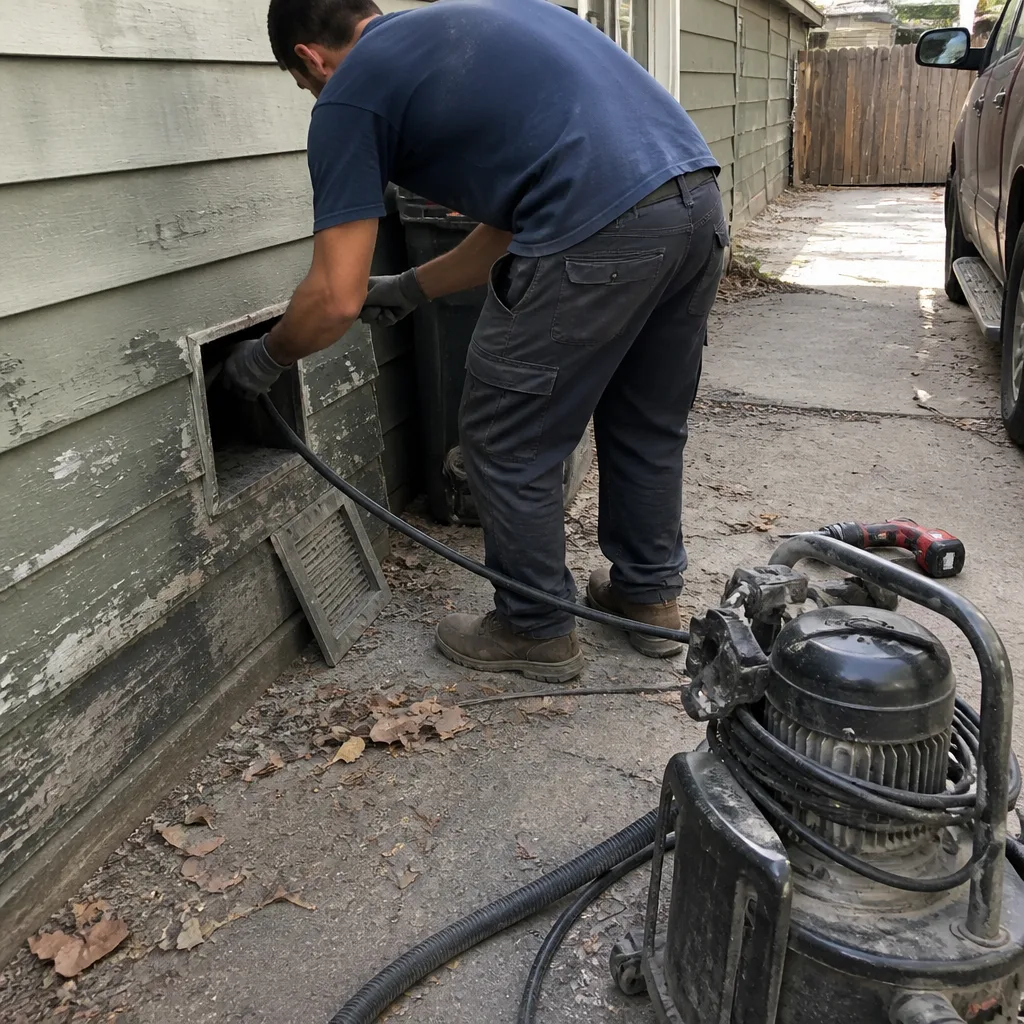 Before
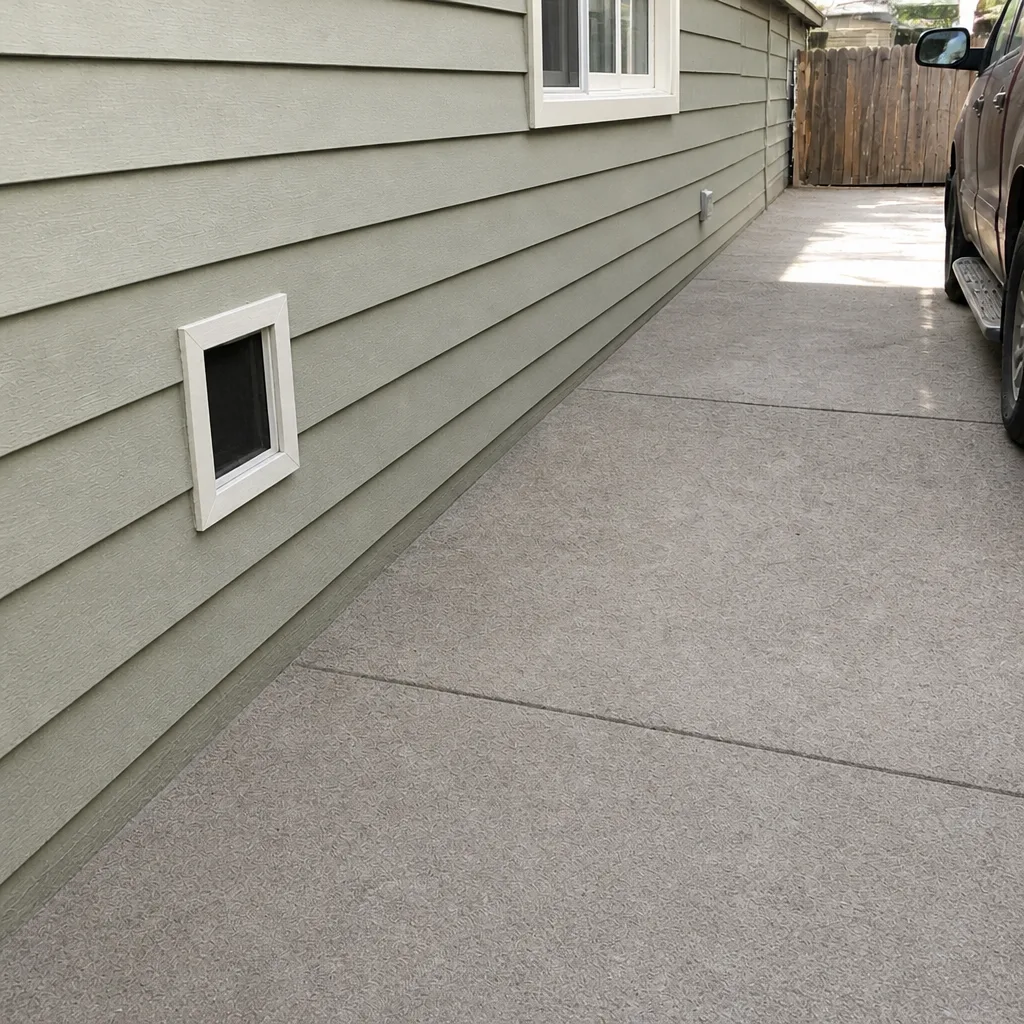 After
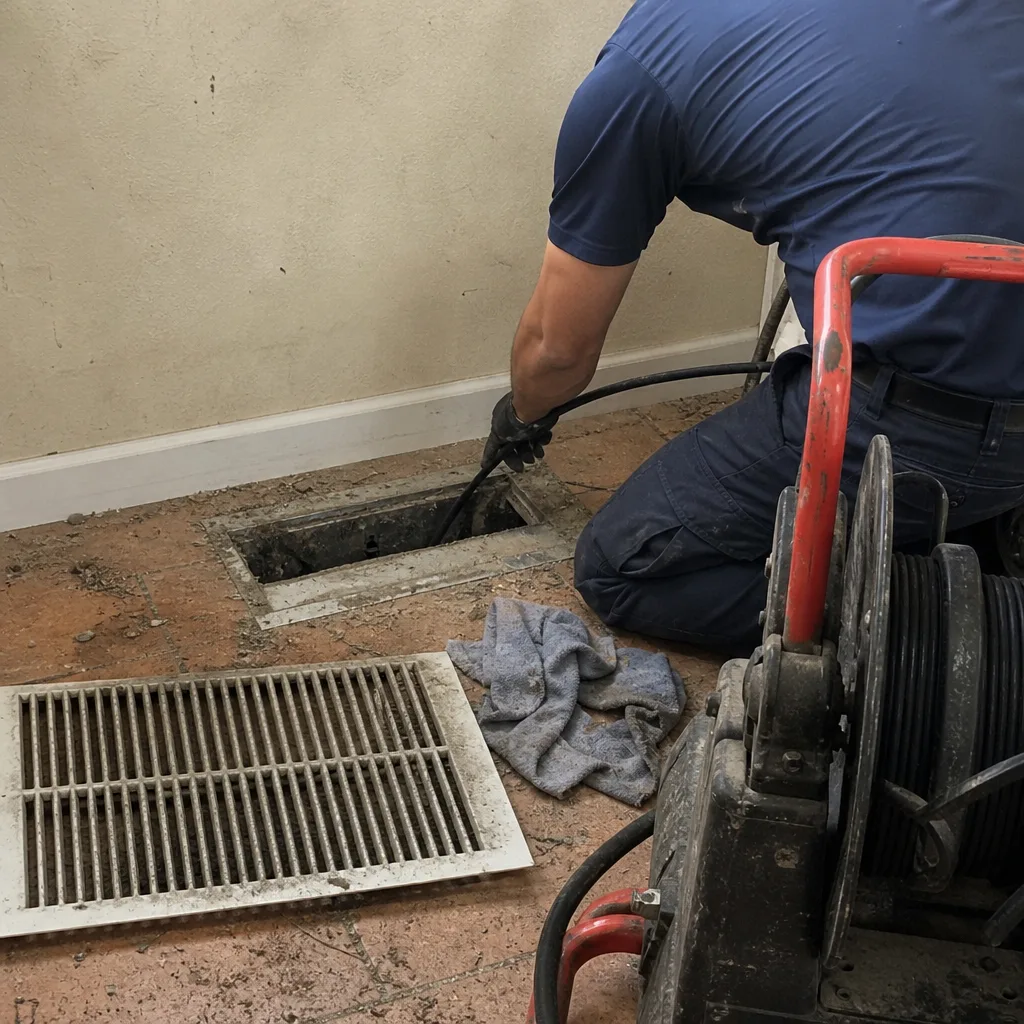 Before
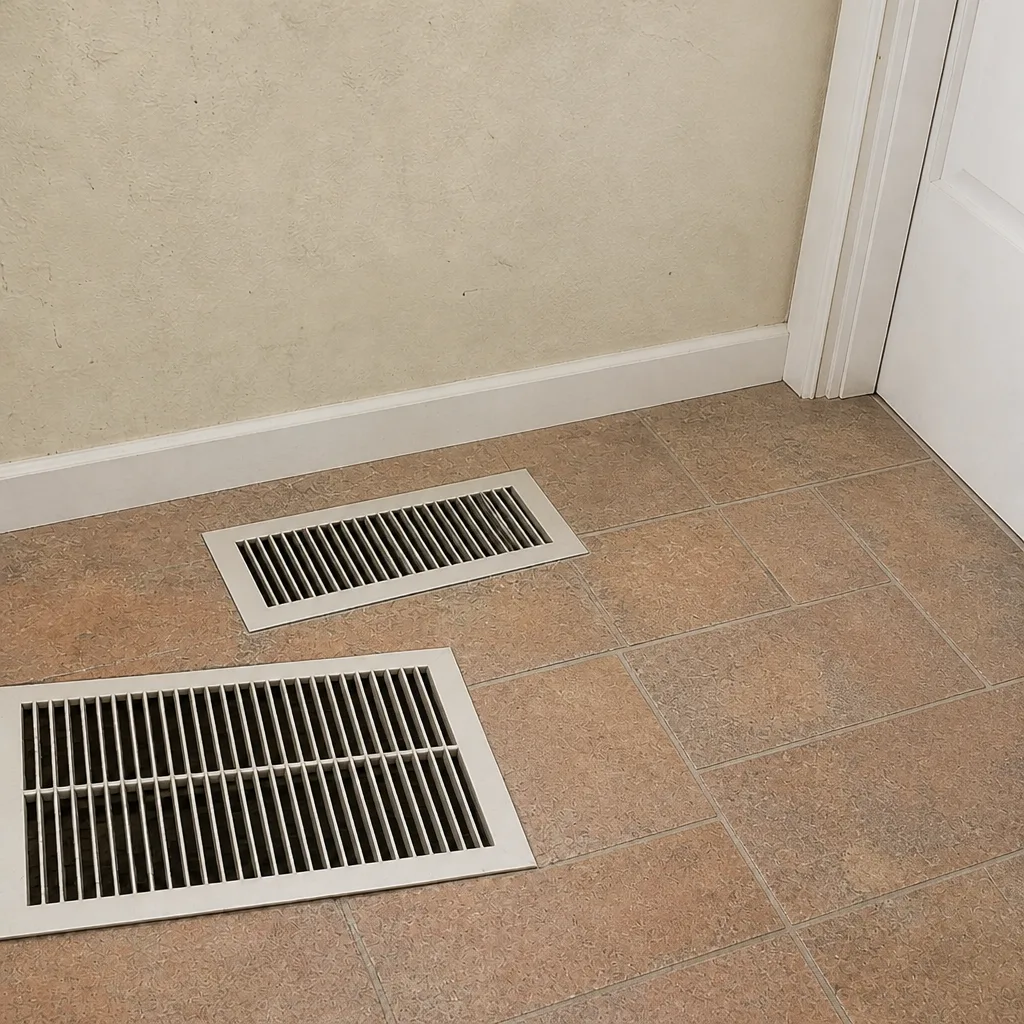 After
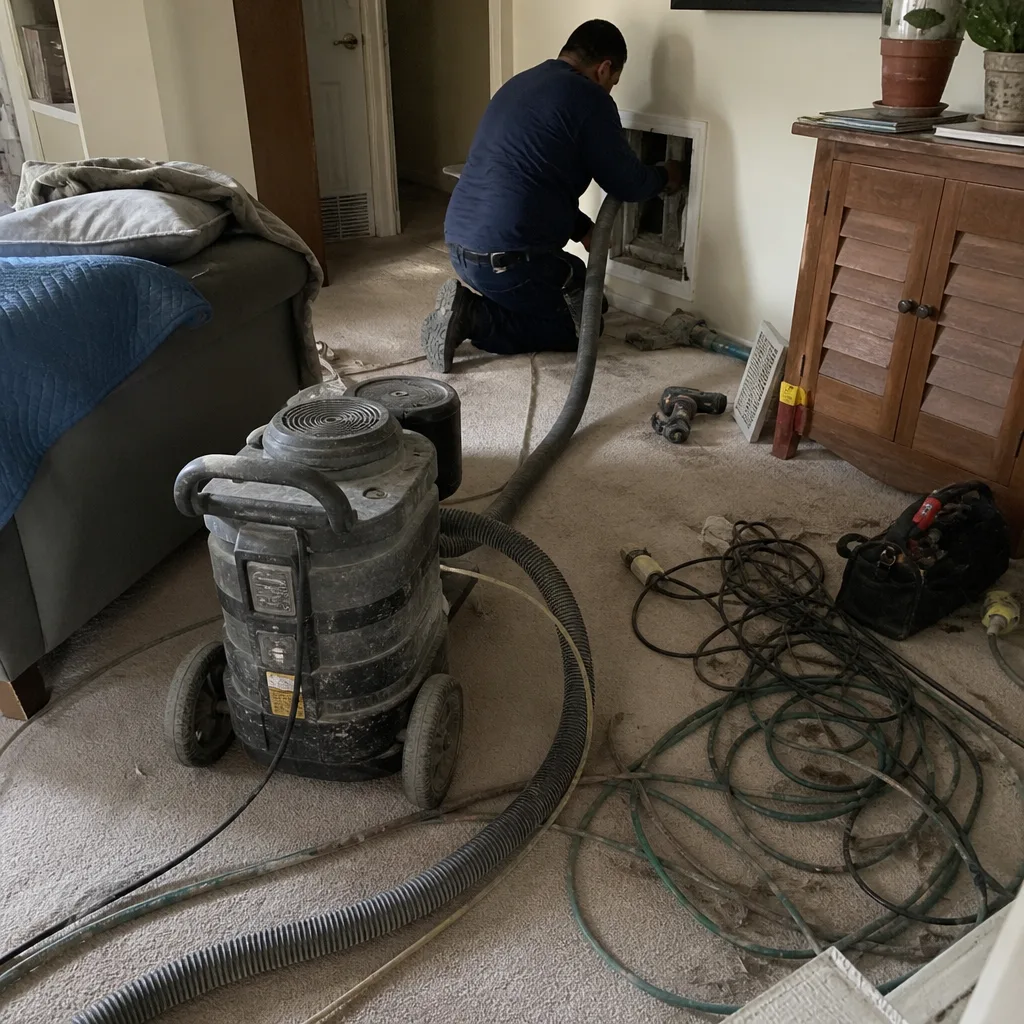 Before
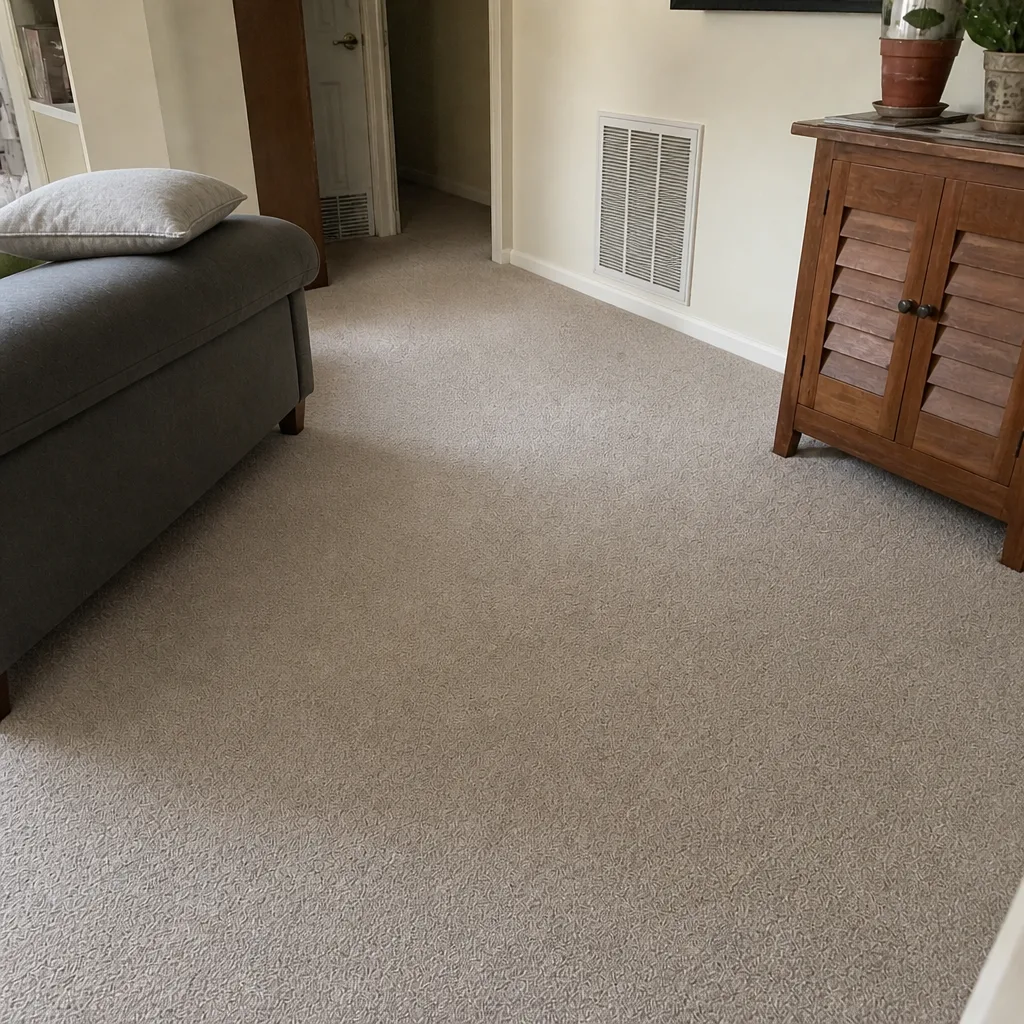 After
When to Call a Professional
Call a professional if any of these apply: a wildfire smoke event lasted more than a couple of days while the HVAC was running, you’ve noticed a lingering smoky or musty smell when the system heats or cools, you’ve had any water intrusion near the air handler or roof, you’ve had pest activity in or near the HVAC system, you see visible deposits at return grilles, or someone in the household has a respiratory condition that makes air quality non-negotiable. The inspection is the diagnostic step, and it comes free of charge from us. Air Duct Cleaning French Park offers free estimates in French Park; call (833) 509-5212. We answer 24/7, and fast dispatch runs from 7am to 7pm, Sunday through Friday.
Frequently Asked Questions
Schedule the inspection within a few weeks of the event if the HVAC ran during the smoke. There’s no benefit to waiting, and treating a smoke event as an urgent-but-not-emergency situation matches what we see in the field. The exception is water intrusion: that’s an immediate call and a system-off situation. For smoke, the dirt doesn’t get better with time, but it does settle deeper. Call (833) 509-5212 for a free estimate.
Yes, but it doesn’t eliminate the need for cleaning after a significant event. MERV-13 catches substantially more of the 1 to 3 micron particles than MERV-8 does, which meaningfully reduces how much contamination reaches the evaporator coil and duct surfaces in the first place. It doesn’t capture the full ultrafine fraction, and it doesn’t do anything for contamination that’s already inside the ducts. Upgrade the filter and schedule the inspection. Call (833) 509-5212 for an exact quote.
Pricing depends on the size of the system, the number of register runs, the level of contamination and whether sanitizing or duct repair is needed. We give a written estimate before any work begins, and we don’t quote per-vent teaser prices because they almost never reflect what a real post-event job costs. Call (833) 509-5212; estimates are free.
Yes, professional rotary-brush and HEPA-vacuum equipment removes settled smoke particulate much more thoroughly than a shop-vac pass. The key is the equipment tier: a brush system that agitates the duct interior combined with a HEPA-rated extractor that captures loosened debris. Ask what the crew uses before you book. Call (833) 509-5212 to discuss what a post-event cleaning includes.
Turn the system off, photograph the area, and call for inspection before restarting. Water in an HVAC system can come from a clogged condensate drain, a cracked drain pan, or storm-driven roof damage. Wet ductwork can support biological growth quickly, so this is not a “wait and see” situation. Call (833) 509-5212 for a free estimate on inspection.
Coverage depends on the policy and the event. Wildfire smoke intrusion is often treated differently from storm damage to the building envelope, and duct cleaning may be covered as part of a broader claim or specifically excluded. We don’t make coverage determinations, but we provide the written condition reports and before-and-after documentation insurers ask for. Call (833) 509-5212 for a free estimate; you can share the documentation with your adjuster.
The Bottom Line
After the smoke clears over French Park, the outside air recovers faster than the duct system does. Fine particulate and ash that entered through the return side will re-suspend every time the system cycles unless it’s cleaned and, ideally, sealed and re-filtered. Post-event readiness comes down to three decisions: keep the system off during heavy smoke, upgrade filtration before the next event, and schedule an inspection while the details are fresh. Pre-event sealing and filtration reduce how much contamination gets in. The inspection is free, and it’s the right place to start.
If a recent event left you wondering, call (833) 509-5212 for a free estimate. We answer 24/7. Fast dispatch from 7am to 7pm, Sunday through Friday.
Written by the team at Air Duct Cleaning French Park.