
Last updated November 24, 2026
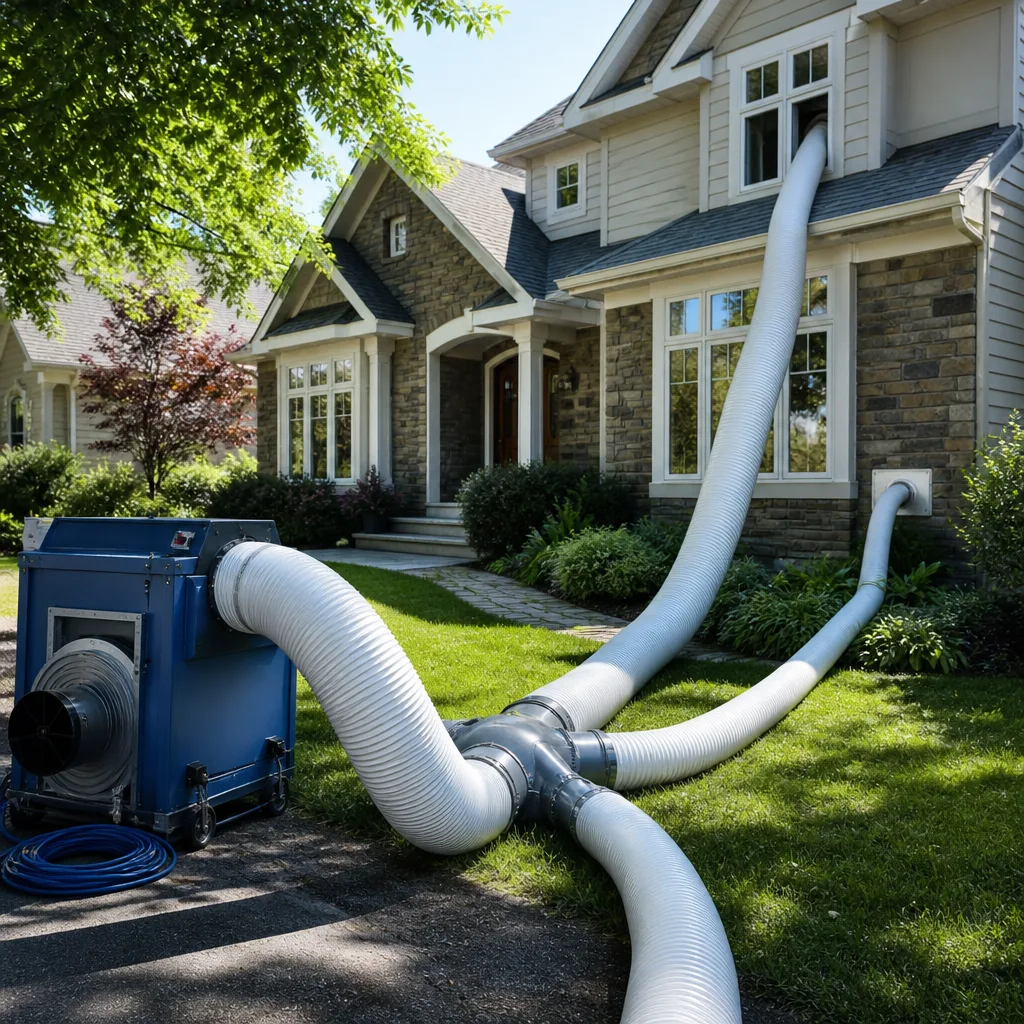 Whole-home duct cleaning
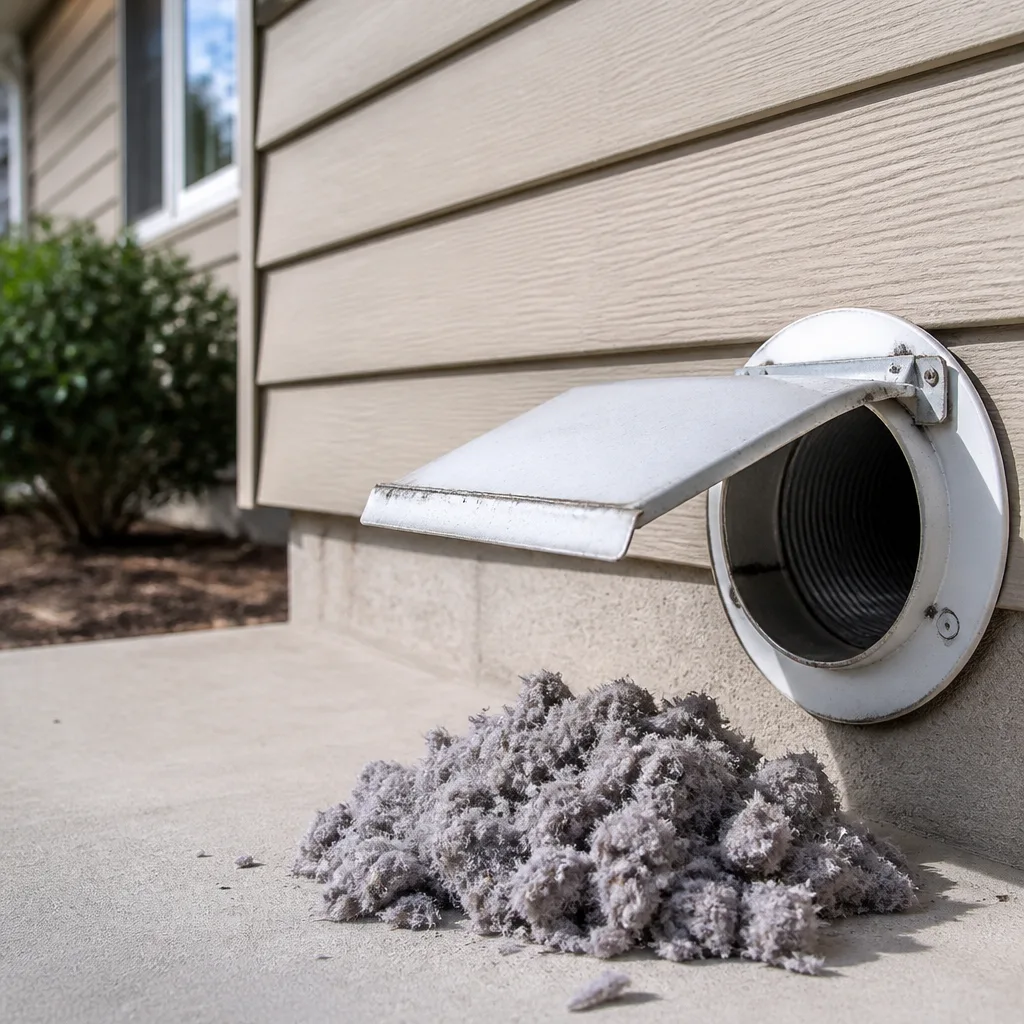 Dryer vent cleaning
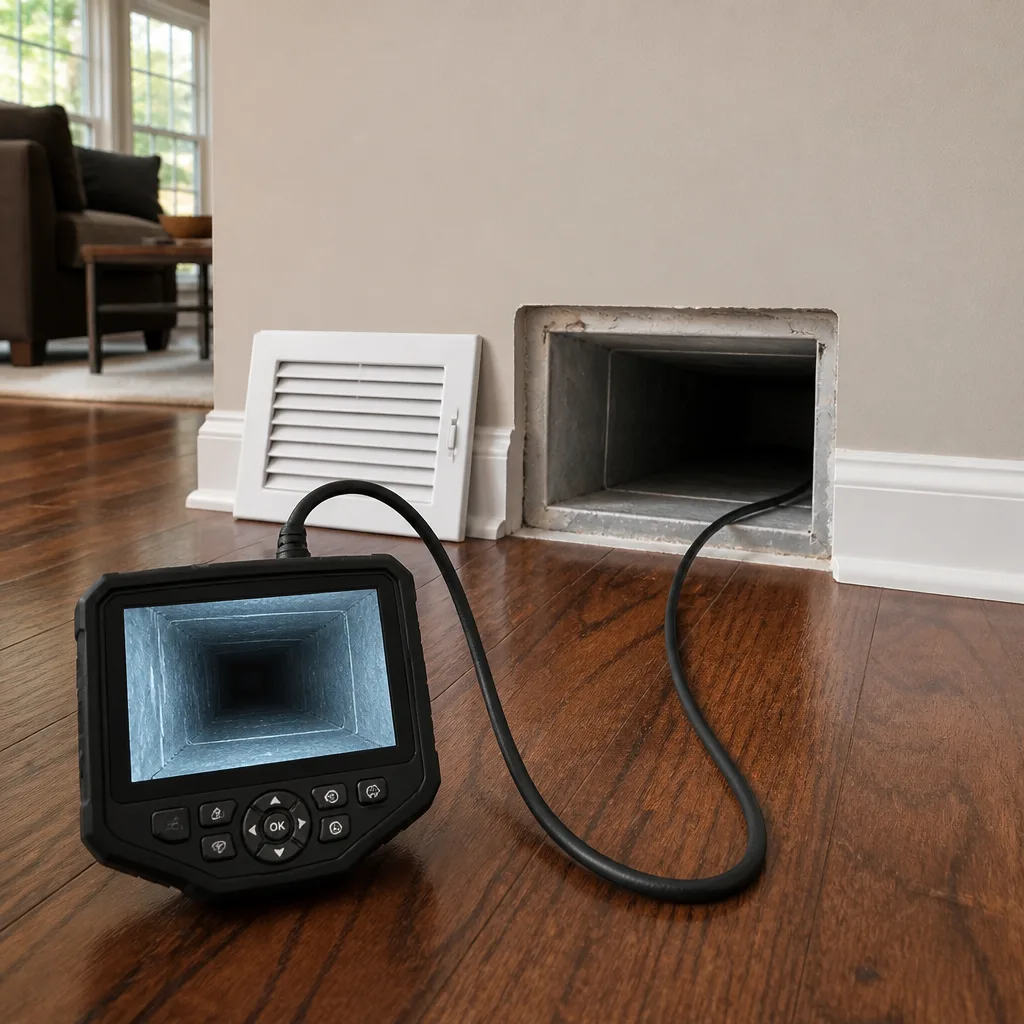 Camera inspection
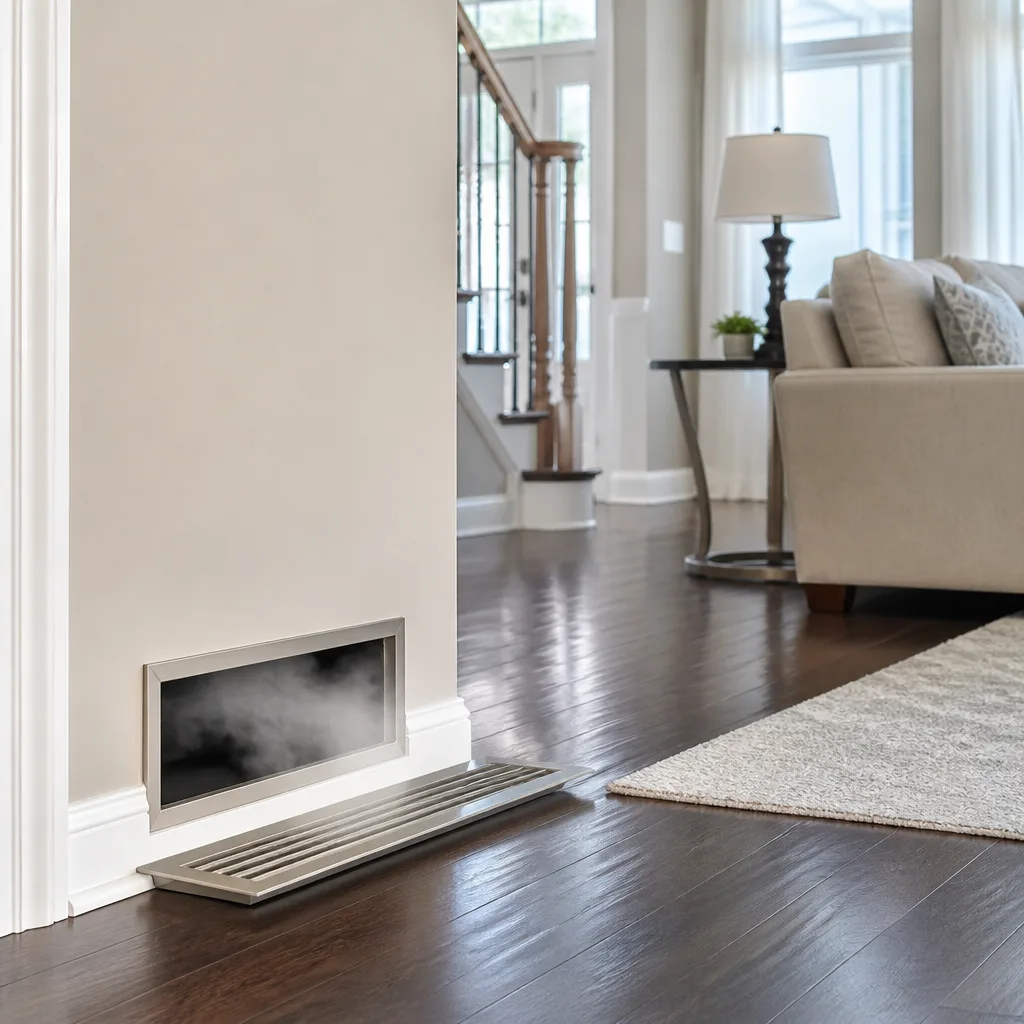 Sanitizing & deodorizing
Whole-system duct and dryer vent check with before-and-after photos - you see exactly what came out of your vents
That "$99 whole-house special" is a bait ad - the real number appears once they are in your hallway, or the "clean" is a shop-vac at the register. We photograph the inside of your ducts before and after instead.
Air Duct Cleaning Maintenance Checklist for French Park Homeowners
The dirtiest ducts we open aren’t in neglected houses. They’re in homes where the owner changed the filter every ninety days, vacuumed the grilles, and felt good about it. Meanwhile a disconnected joint behind a ceiling register was pulling attic dust and insulation fibers into the return for months, and no filter swap was ever going to catch that. Generic maintenance advice solves the wrong problems. This checklist is built around failure points, ranked by how much damage each one does if you miss it, not by how often some calendar says to do it. Read it once, then keep it. You’ll understand what actually protects the air in a French Park home, and what to record between professional visits so the next one is faster and cheaper.
Quick Answer
Air duct maintenance for a French Park home works best when you rank tasks by consequence, not frequency: duct sealing and joint inspection protect the system most, filter changes matter moderate amounts, and grille dusting matters least but is the only one you can safely do yourself. A professional look at the full air pathway should happen periodically, and you should schedule one immediately after any renovation, pest infestation, roof work, or regional smoke event. Everything else is observation between visits.
Styles & brands we work with
- Whole-home duct cleaning
- Dryer vent cleaning
- Camera inspection
- Sanitizing & deodorizing
Table of Contents
- Ranking the Tasks by Consequence, Not Calendar
- What You Can Service Yourself
- What Requires a Technician
- Observable Indicators to Record Between Visits
- Inspection Points Specific to French Park Conditions
- The Post-Event Protocol
- Common Mistakes to Avoid
- When to Call a Professional
- Frequently Asked Questions
Ranking the Tasks by Consequence, Not Calendar
Most maintenance schedules you’ll find online are built like calendars: every 30 days, every 90 days, every year. That’s easier to write than it is useful. A torn duct seal in an unconditioned space outranks a dusty return grille by an enormous margin, and it should show up higher on the list even if you check it less often. Here’s the ordering we use when we think through a French Park home, from highest consequence to lowest.
- Duct joint integrity and sealing. A gap in a supply or return trunk can leak conditioned air into the attic or crawlspace and pull contaminants back in. This is the single highest-consequence failure in a duct system, and it’s invisible without a technician or an access panel.
- Mold or moisture conditions inside the duct or on the coil. Persistent moisture in a duct interior supports microbial growth that then gets distributed every time the fan runs. Once it’s established, cleaning and sanitizing matter more than another filter change.
- Airflow restriction and static pressure. Undersized returns, crushed flex duct, or a clogged evaporator coil force the blower to work against a system that was never designed for that resistance. Filters matter here, but so do duct geometry and coil condition.
- Particulate infiltration from outside the system. Attic dust, insulation fibers, pest debris, and post-smoke contamination all enter through the same pathways.
- Source cleanliness at the air handler and coil. A dirty coil is a slow tax on the whole system, but it doesn’t contaminate downstream ducts the way the items above can.
- Grille and register dust. Real, but cosmetic. This is the one most people focus on first, and the one that changes air quality the least.
Notice how low the daily-visible maintenance task sits. If you’re going to invest attention in one thing in French Park, spend it on the seal, not the swiffer.
What You Can Service Yourself
Some tasks are genuinely owner-serviceable and worth doing because they extend the life of the professional work rather than replacing it. Others look simple and aren’t. Here’s where the line sits.
Safe for you:
- Return grille and register cleaning. Remove the grille, wash it in the sink or outside, dry it, and reinstall. This removes surface dust load so the filter downstream isn’t fighting accumulated debris.
- Filter swaps. Match the filter to the manufacturer’s stated size and change it according to your home’s own dust load, not a calendar. In a French Park home with pets or nearby construction, that might mean more often than standard advice suggests; in a quiet, clean home, less. Write the change date on the filter frame in pencil.
- Visual access-panel checks. If your system has an access panel on the plenum or a straight run of visible duct, and you can reach it without tools, you can look inside with a flashlight. Don’t open anything sealed with screws or tape, don’t open equipment cabinets, and don’t reach inside.
- Outdoor unit clearance. Keep leaves, plant growth, and stored items away from the condenser so it can breathe. This is airflow support, not duct work.
Not yours to take on: anything involving the air handler cabinet, the coil, electrical components, pressure measurement, or a sealed duct run. If a task requires a tool or a ladder, assume it’s technician territory. There’s no upside to a homeowner opening an equipment cabinet to “have a look,” and real downside if something doesn’t go back together correctly.
What Requires a Technician
This is the list most guides skip. These are the checks that actually diagnose the system, and they require training, equipment, and a willingness to climb into unconditioned space.
- Static pressure testing. A technician measures pressure across the blower, filter, and coil to see whether the system is being asked to push air against more resistance than it was designed for. This is the single most useful diagnostic for “why doesn’t this room get air” complaints, and it can’t be done by feel.
- Evaporator and blower coil inspection. The coil is the metabolic center of the air system. It’s not visible without opening the cabinet, which is why it doesn’t appear on owner checklists.
- Mold swabbing and moisture assessment. A visual check isn’t the same as an actual test. If there’s a musty smell or visible darkening on a duct interior, a technician needs to identify whether the conditions that support growth are still present before sanitizing makes any sense.
- Duct joint and seal inspection throughout the system. This is the highest-consequence item on our list, and it lives in attics, crawlspaces, and wall cavities.
- Pressure-backed cleaning with proper extraction. Rotary-brush agitation with HEPA-rated vacuum capture, using equipment like our Nikro and Rotobrush systems, is what actually removes debris without redistributing it into the living space. Shop-vac and hand-brush work doesn’t reach the same layer.
- Containment-grade cleaning for contamination scenarios. When there’s mold, pest debris, or a post-smoke situation, cleaning at ordinary pressure can make the problem worse before it gets better. That’s when our Abatement Technologies negative-air equipment comes in: it keeps the contaminants from escaping into the occupied space during the work.
If the list above feels long to a homeowner, that’s the point. These checks are comprehensive because the system is a single pathway, and the difference between cleaning one segment well and cleaning the whole pathway properly is the difference between a clean-looking register and a clean air supply. Learn more about air duct cleaning to see what the full service covers.
Observable Indicators to Record Between Visits
You don’t need to diagnose anything. You need to notice, record, and hand the record to the next technician. That turns a vague “the air feels off” into a specific complaint that can be solved in one visit instead of three.
Keep a note on your phone or a card near the thermostat. Date each entry. Here’s what’s worth writing down.
- Room-by-room airflow comparison. Once a month, hold your hand over each register in the house and rate the flow as strong, normal, or weak. A single room that’s consistently weaker than the others is a data point. Two rooms that both went weak at the same time tells a different story.
- Static pressure symptoms. You can’t measure pressure, but you can notice the signs. Whistling at a register, a filter that gets sucked inward shortly after installation, doors that are hard to open or close when the fan runs. Note when each one starts.
- Odor timing. When does the smell appear? Only at startup of the system? Only on cooling calls? Only in the morning? Odor tied to system operation points toward duct contamination; odor tied to time of day may be something else entirely. Timing is the whole clue.
- Dust settling pattern. Dust that reappears on a specific surface within days of cleaning is more interesting than dust everywhere.
- Filter appearance at change. Snap a photo before changing it. If the pattern is uneven, that’s information.
- Condensate behavior. If there’s a visible drain pan, note whether it ever stays wet for longer than expected after the system cycles off. Persistent moisture is a bigger deal than any amount of visible dust.
None of this replaces a technician’s inspection. It just makes the next inspection far more useful, because a professional can focus on the system’s actual symptoms instead of starting from zero.
Inspection Points Specific to French Park Conditions
Not every region stresses a duct system the same way. Here in French Park, three conditions come up over and over, and they deserve specific attention that generic checklists skip.
Attic-exposed ductwork and heat
If part of your duct run lives in the attic, and in many French Park homes it does, that run is exposed to extreme attic heat during the warmer months. Heat alone doesn’t destroy ductwork, but it’s unforgiving on the seal material and on flex duct that’s lost its support or been stepped on by a previous tradesperson. Loose or degraded insulation on a duct run in a hot attic space also means a supply run that’s feeding the attic with cold air the house paid for. When we inspect in French Park, the attic run gets specific scrutiny: seal condition, insulation intactness, sag, and whether the run is still adequately supported. A duct repair and sealing visit addresses all of this at once, and we’d rather do it while we’re already up there than have you schedule a second trip.
Rodent intrusion risk
Wherever ducts pass through unconditioned space, they’re a potential highway for rodents. The signs are easy to miss from inside the house: small chewed sections of flex duct insulation, droppings near a junction, a faint ammonia smell that appears at system startup, occasional scratching sounds in the wall or attic. Rodent contamination inside ductwork isn’t a cleaning-and-done problem. The entry point has to be found and closed before any cleaning happens, or you’re cleaning the duct and re-inviting the problem within weeks. That’s why we treat pest-related work as a containment-grade job: negative-air equipment keeps debris from spreading through the house while we work, and the repair and sealing call closes the highway back up.
Smoke infiltration after regional wildfire events
Smoke doesn’t need a direct fire nearby to infiltrate a house. Ridge and valley systems in this part of California can carry smoke plumes from a fire that’s hours away, and a home that was closed up with the AC running during one of those events can hold a surprising amount of ash and odor inside the duct system. The odor problem isn’t the duct itself, it’s what settled in it. That’s a cleaning job, followed by sanitizing if the smell persists, and never a filter swap alone. A high-MERV filter does capture particles moving through it during the event, but it does nothing for what’s already on the duct surfaces.
A fourth point worth its own paragraph: smoke crosses into the house through the return side far more easily than the supply side. If you’re evaluating a recent smoke event and want to know whether you need full cleaning or just a targeted check, a technician can inspect the return run first and give you a real answer instead of a sales pitch.
The Post-Event Protocol
Events change the maintenance schedule. If any of the following happened at your property since the last professional visit, treat the checklist as reset: this is the moment to schedule a full inspection rather than wait for the calendar to catch up.
- Renovation or remodeling. Drywall dust, fiberglass insulation fibers, and construction debris get pulled into returns fast. It’s much easier to clean them out at the end of the project than to clean out a system that then ran for a year with the load inside.
- Pest infestation. Find the entry point, close it, then clean. Never the other way around. Any treatment that involves spraying or fogging near the system also needs the duct interior checked afterward, because the chemicals have to go somewhere.
- Smoke event. After any regional fire season smoke infiltration, plan a duct inspection before the next cooling or heating season. Odor that persists for weeks after the event has stopped is the clue.
- Water intrusion or a leaking condensate line. Moisture inside a duct is a microbial problem, not a dust problem. Schedule an inspection promptly, and treat any visible growth as a technician issue before it becomes a health concern.
- Roof replacement or attic work. If a contractor was in the attic, walk the duct run or have it checked. Insulation and seal damage from foot traffic is completely avoidable and completely common.
- A new appliance or HVAC system install. If the equipment was swapped but the ducts weren’t touched, verify the duct system’s condition matches the new equipment’s design requirements. A mismatch will fight every bit of efficiency the new unit offers.
Think of this protocol as the difference between preventive care and reactive care. The post-event inspection is cheap and fast in the moment it’s needed; the correction after a year of running with the problem inside is not. If your property is a rental or a light-commercial building, the same protocol applies but should involve the property manager, since duct cleaning with negative-air containment is the standard for commercial and multi-tenant work in a way that residential cleaning sometimes isn’t.
Common Mistakes to Avoid
- Prioritizing grille cleaning over seal inspection. Cleaning a grille takes five minutes and feels productive. Finding a disconnected duct joint in the attic prevents more contamination in one afternoon than a year of grille maintenance. Do the thing that matters, not the thing that’s easy.
- Changing the filter on a fixed calendar. Filter life depends on dust load, which depends on the house, the occupants, whether nearby construction is happening, and whether an outdoor hobby like woodworking sends dust through the return. Match the interval to your home.
- Assuming no visible dust means clean ducts. The duct inner surface isn’t visible from a register, and the higher-consequence problems (mold, rodent debris, a torn junction) rarely present at the grille first. A visual check has value but it’s a starting point, not a diagnosis.
- Calling a cleaning-only crew after a pest or mold problem. Cleaning without addressing the source cause, whether that’s an open entry point or ongoing condensation, just resets the clock on the same problem. Ask whether the crew is set up for containment-grade work and can seal what they find.
- Letting a contractor into the attic without a follow-up photograph. Homeowners in French Park should specifically ask attic duct runs to be photographed and reviewed after any work. Foot-traffic damage to flex duct is common and easy to prevent on the second look.
- Treating odor as an air-quality emergency. Odor has many sources, and duct cleaning isn’t always the fix. Note the timing pattern before the visit so the technician can help identify whether it’s the duct system, a drain issue, or a moisture problem elsewhere in the structure.
- Opening equipment cabinets for a look. The air handler cabinet has electrical components and the coil inside. There’s no useful information a homeowner can act on from inside that cabinet, and there is real risk in the attempt.
When to Call a Professional
Not every observation on this checklist needs a site visit. A little dust on a return grille doesn’t. So here’s where a real technician earns their keep: any evidence of moisture inside the duct, any odor that persists more than a couple of weeks after an identified event, any rodent sign (visible or by sound or smell), any two rooms that suddenly went weak on airflow, and any access-panel observation of a torn or crushed duct section. Any recent renovation, roof work, or regional smoke event also puts the system on a short list for an inspection, even if you’re not seeing symptoms yet. And if the checklist has been on the shelf for a couple of cooling seasons without a professional look, that’s the cleanest “schedule it” signal there is. A full-system inspection covers the coil, the seal, the airflow, and the duct interior in a single visit, and if a repair or sealing is needed, we handle it while we’re already there.
Air Duct Cleaning French Park offers free estimates in French Park. Call (833) 509-5212. We answer 24/7. Fast dispatch from 7am to 7pm, Sunday through Friday.
See the difference
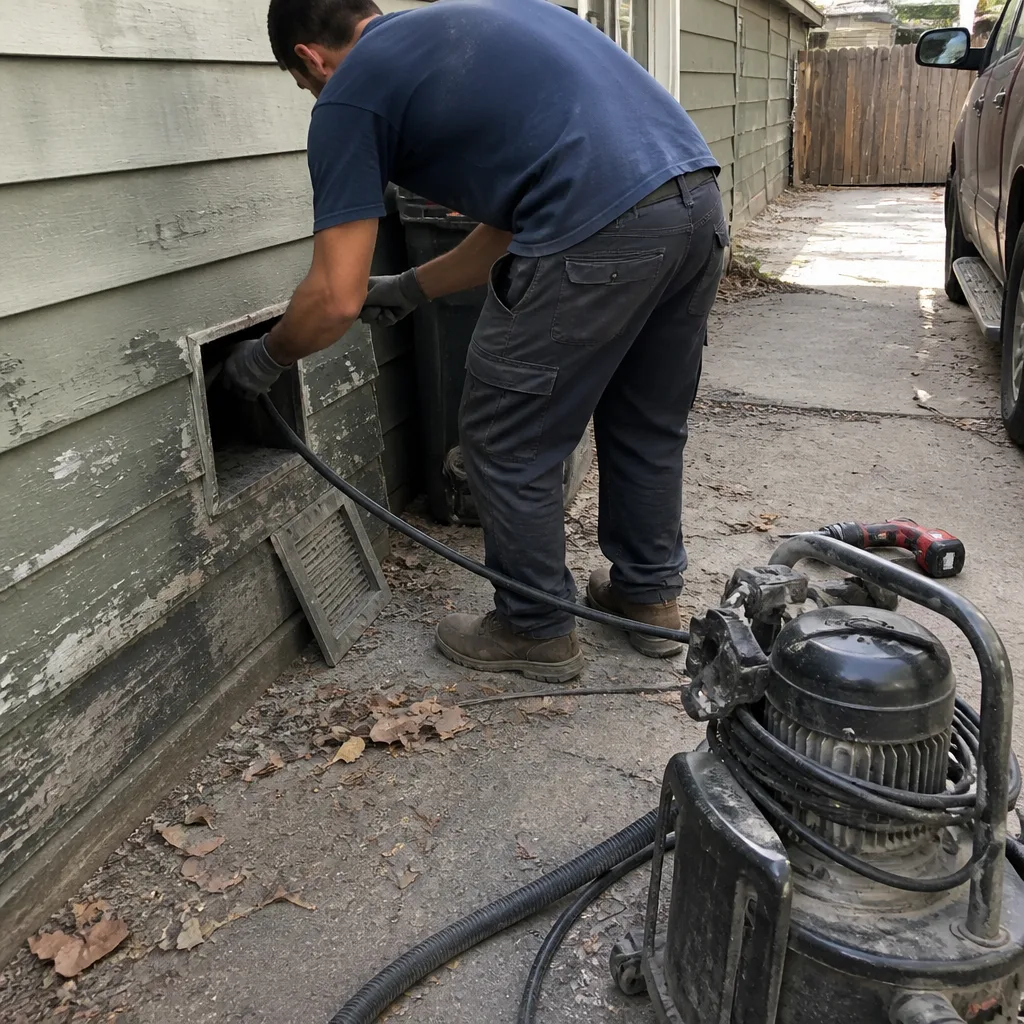 Before
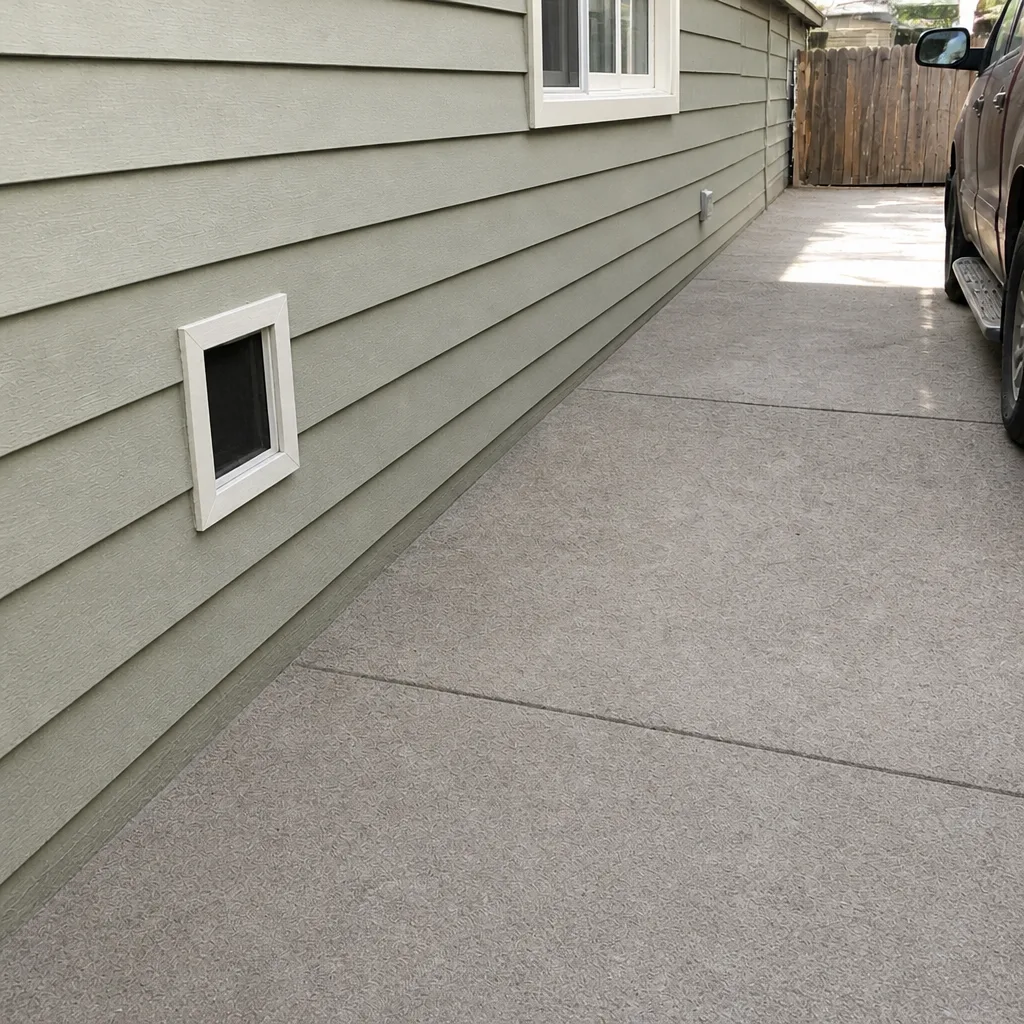 After
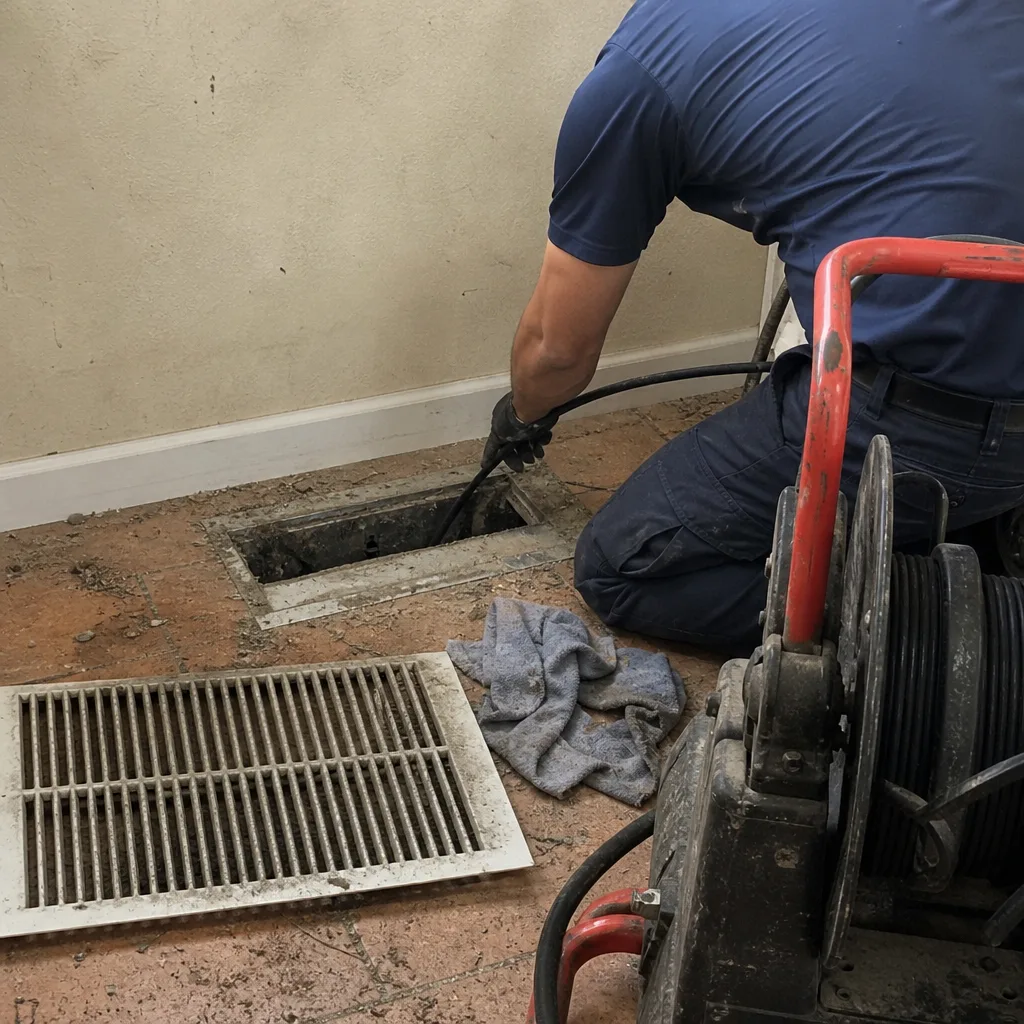 Before
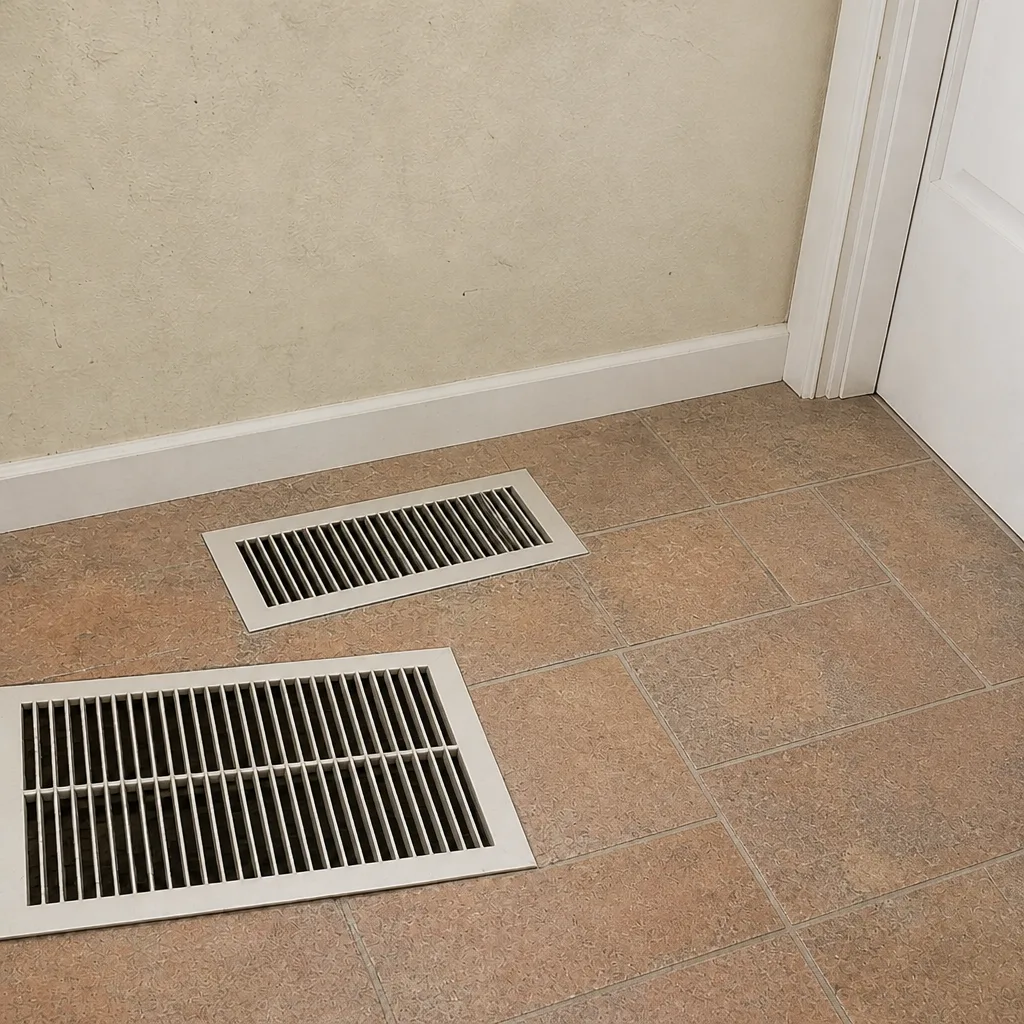 After
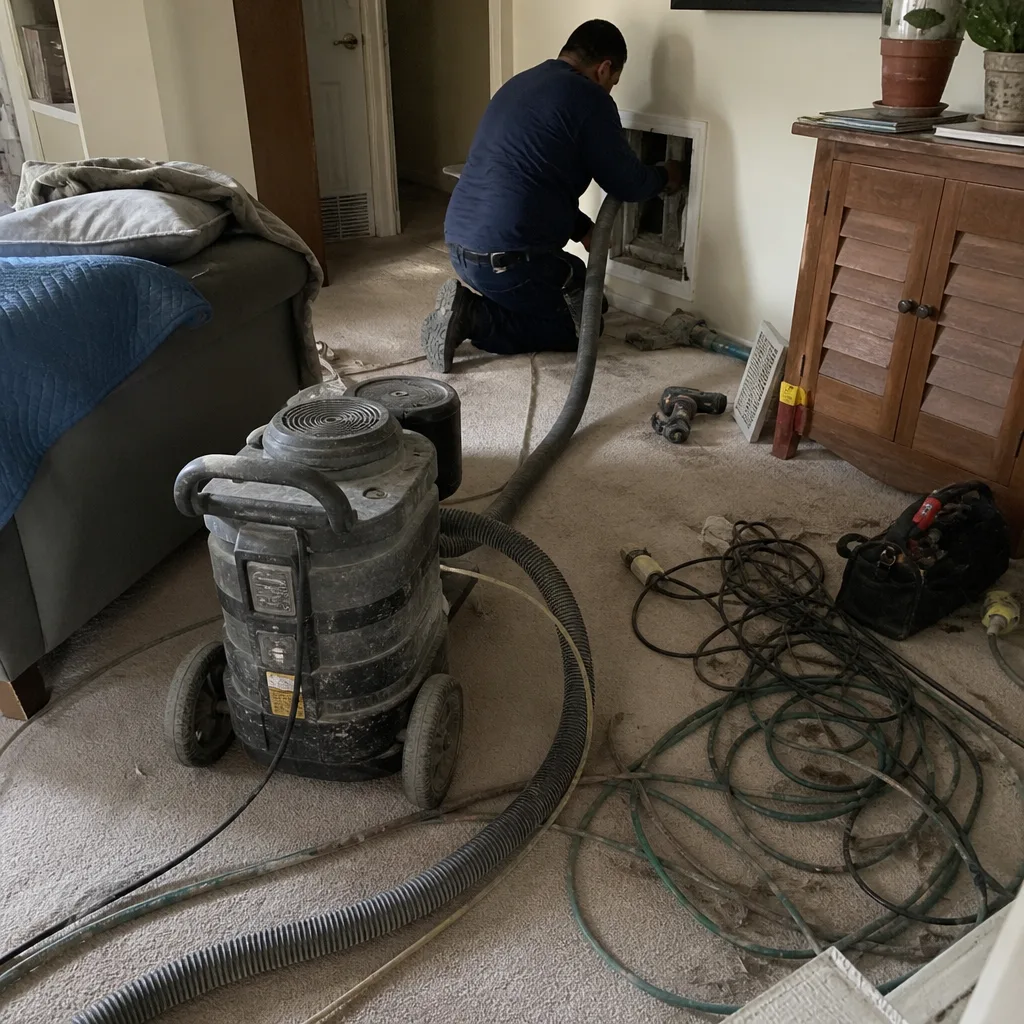 Before
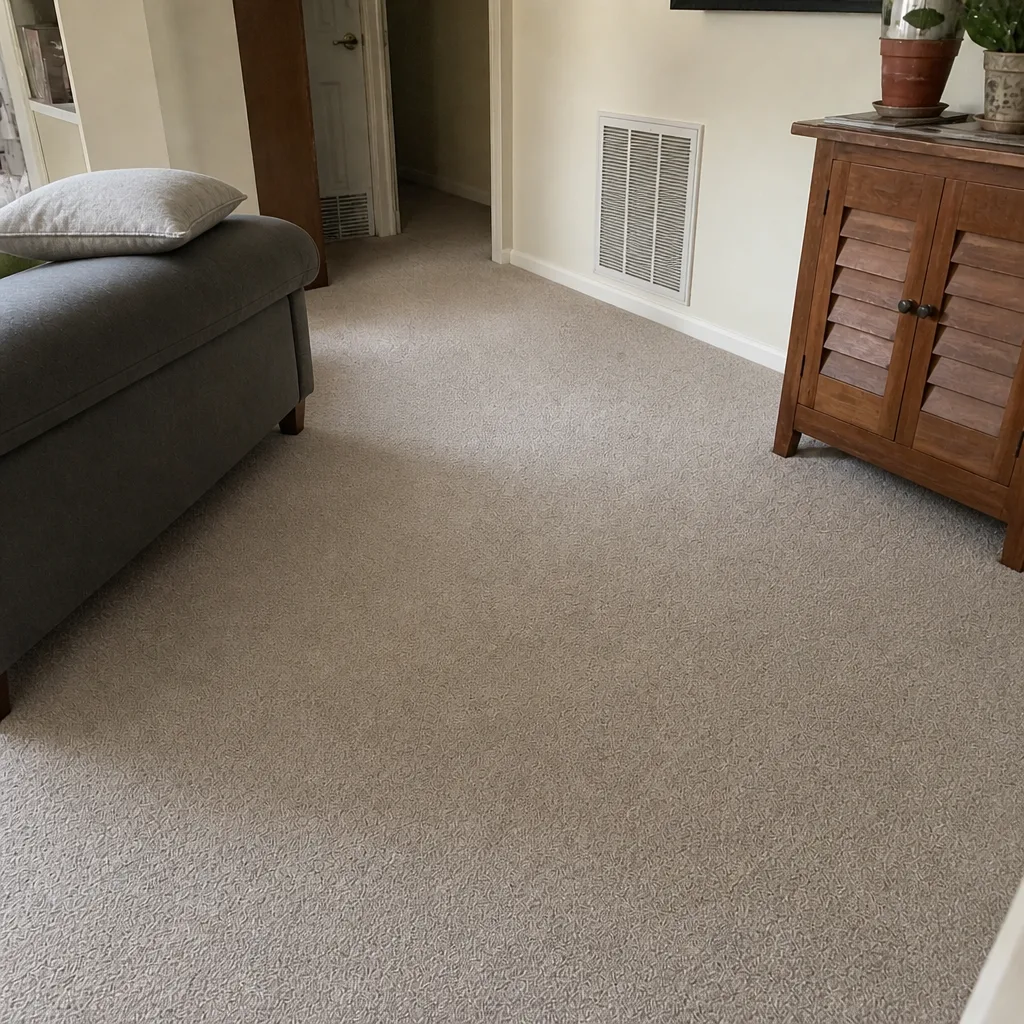 After
Frequently Asked Questions
Once per cooling season as a starting point, adjusted for what the checklist turns up. In practice, a French Park home with pets, recent renovation, or a smoke event on record will benefit from an inspection sooner than that, while a clean, unremarkable home can stretch the interval. The important thing is the condition of the system, not the calendar. Call (833) 509-5212 for an exact recommendation – estimates are free.
Yes. The rotary-brush extraction we run is a Rotobrush system, and the vacuum capture is a Nikro HEPA-rated unit. That equipment pairing is what lets us agitate the duct interior and extract the debris it releases with proper HEPA filtration, rather than relying on a shop-vac approach that doesn’t reach the same layer. For contamination-sensitive jobs (mold, pest, post-smoke), our Abatement Technologies negative-air machines keep debris contained while we work. Call (833) 509-5212 to talk through which approach your home needs.
A specific room that’s weaker than the rest, a whistling register, a filter pulled inward shortly after installation, or dust that reappears on one surface within days of cleaning. Any of those points toward a leak or a duct integrity problem rather than a dust problem. If a technician finds a torn or disconnected run during service, we repair and seal it during the same visit – cleaning without sealing just resets the clock. Call (833) 509-5212 to schedule an assessment.
Yes. Filter and humidity upgrades can be supplied and installed during the same visit as a duct cleaning, so you don’t pay for a second trip to solve a second half of the same problem. If you’ve been considering a higher-efficiency filter or a humidity control approach, that’s the most efficient time to do it. Call (833) 509-5212 to line up both in one appointment.
Yes, and the cheaper approach is to schedule it sooner rather than later. Drywall dust, insulation fibers, and pest debris enter the return quickly and settle into the duct surfaces, where they then get recirculated. Find and close the entry point first if it’s a pest issue, then clean. A full inspection afterward confirms that no residue is left in the system. Call (833) 509-5212 and tell us the event so we can prepare the right equipment.
You skip the grille cleaning, not the inspection. A clean-looking register is the least useful signal in the whole checklist, because the failures that matter most (a torn seal, a moisture issue on the coil, a crushed flex run in the attic) present behind a sealed panel or in uncontrollable space. An inspection is how you find out which category your system is in. Call (833) 509-5212 for a free estimate.
A One-Page Version of the Checklist
When you strip everything above down to what you’ll actually do, the routine shape of it is this:
- On a monthly rhythm: wash return grilles, glance at the filter, and hold a hand over every register for a quick airflow check.
- On the filter’s own rhythm: change it, and write the date on the new frame.
- Every quarter or so: revisit your notes, look for drift in the airflow ratings, and note any recurring odor or dust pattern.
- Seasonally: clear the outdoor condenser and check any visible attic duct run.
- After any renovation, pest event, roof work, or smoke event: schedule a full inspection rather than waiting.
- Professionally, at least once a season: full-system inspection with static pressure testing and coil check.
That’s the summary. The reasoning behind each item is what turns it into a useful habit rather than a chore list, which is why the detailed sections above matter more than this short version.
The Bottom Line
The best air duct maintenance advice for a French Park home is to think in terms of consequence, not frequency. A clean grille is cosmetic; a failed duct seal is not. A filter swap supports the system; a static pressure check diagnoses it. Your job is a short list of safe tasks, a running note of what changes between visits, and the knowledge of when to call. Our technicians have up to 10 years of experience with the equipment this work requires, and we handle the entire air pathway – duct cleaning, dryer vent cleaning, HVAC cleaning, duct repair and sealing, and air quality and sanitizing – in one coordinated visit whenever the job calls for it. That’s the idea behind our Air Duct Cleaning French Park service: one call, every air-pathway issue, handled right the first time. When the checklist says it’s time, we’re ready. And if you want to understand the maintenance half in more detail, our HVAC cleaning and dryer vent cleaning pages cover the companion systems your ducts share space with – they’re worth a read before your next appointment.
Get an Estimate
If you’re ready to turn this checklist into a scheduled visit, or if the notes you’ve been keeping point toward a specific problem, call (833) 509-5212. We answer 24/7. Fast dispatch from 7am to 7pm, Sunday through Friday. Tell us what you’ve observed and when, and we’ll arrive prepared with the equipment your system actually needs – Rotobrush agitation, Nikro HEPA capture, and Abatement Technologies containment if the evidence suggests a contamination-sensitive job. Every visit ends with a full-system report and before-and-after photographs of your own ductwork, so you can see exactly what changed. That’s the whole idea: a clean air pathway you can verify, and a maintenance plan you understand.
Written by the team at Air Duct Cleaning French Park.