
Last updated November 24, 2026
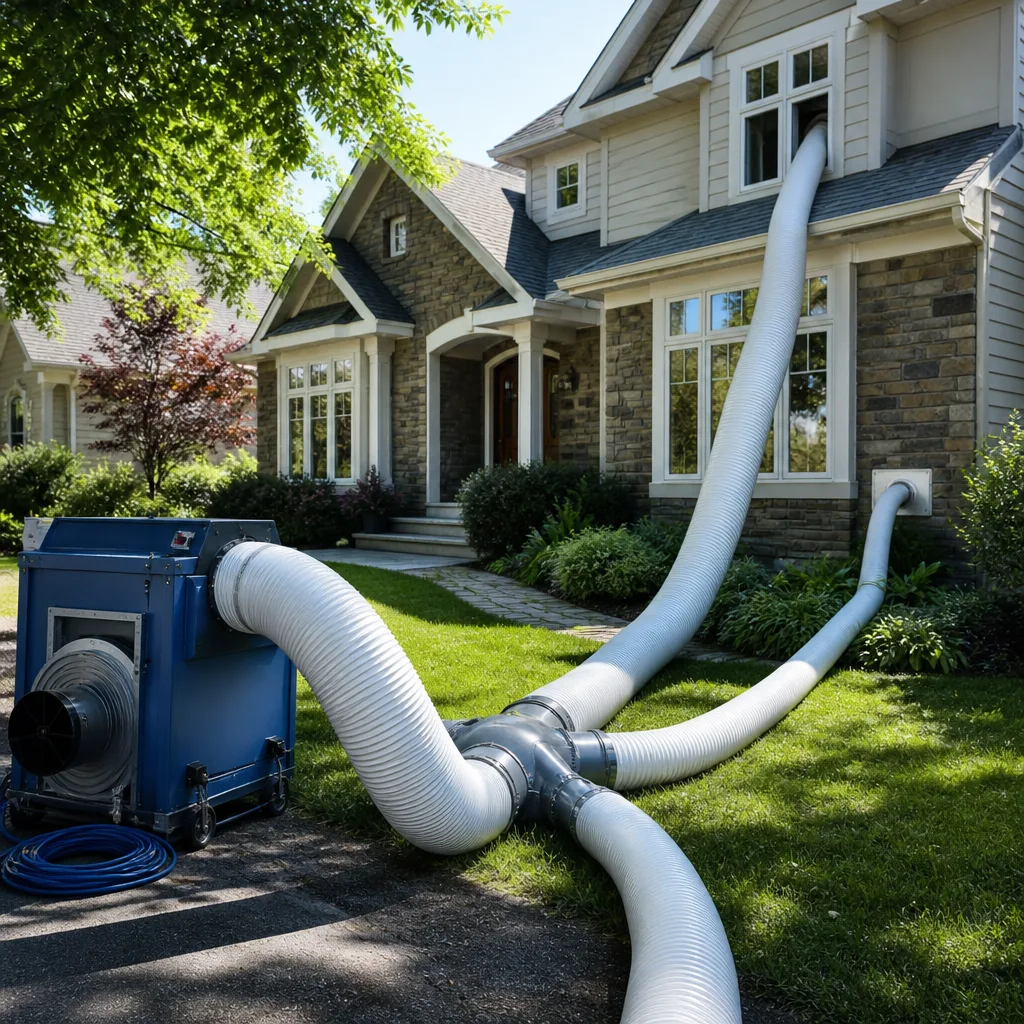 Whole-home duct cleaning
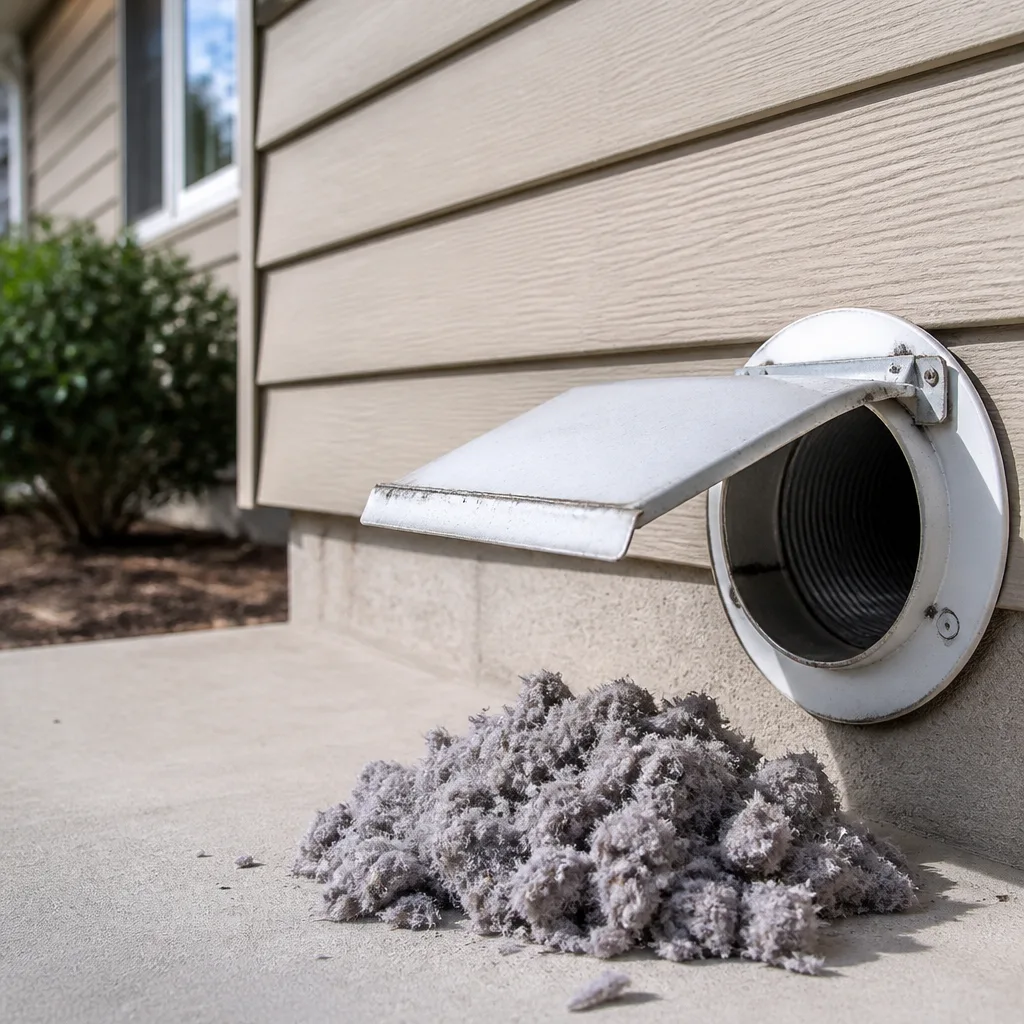 Dryer vent cleaning
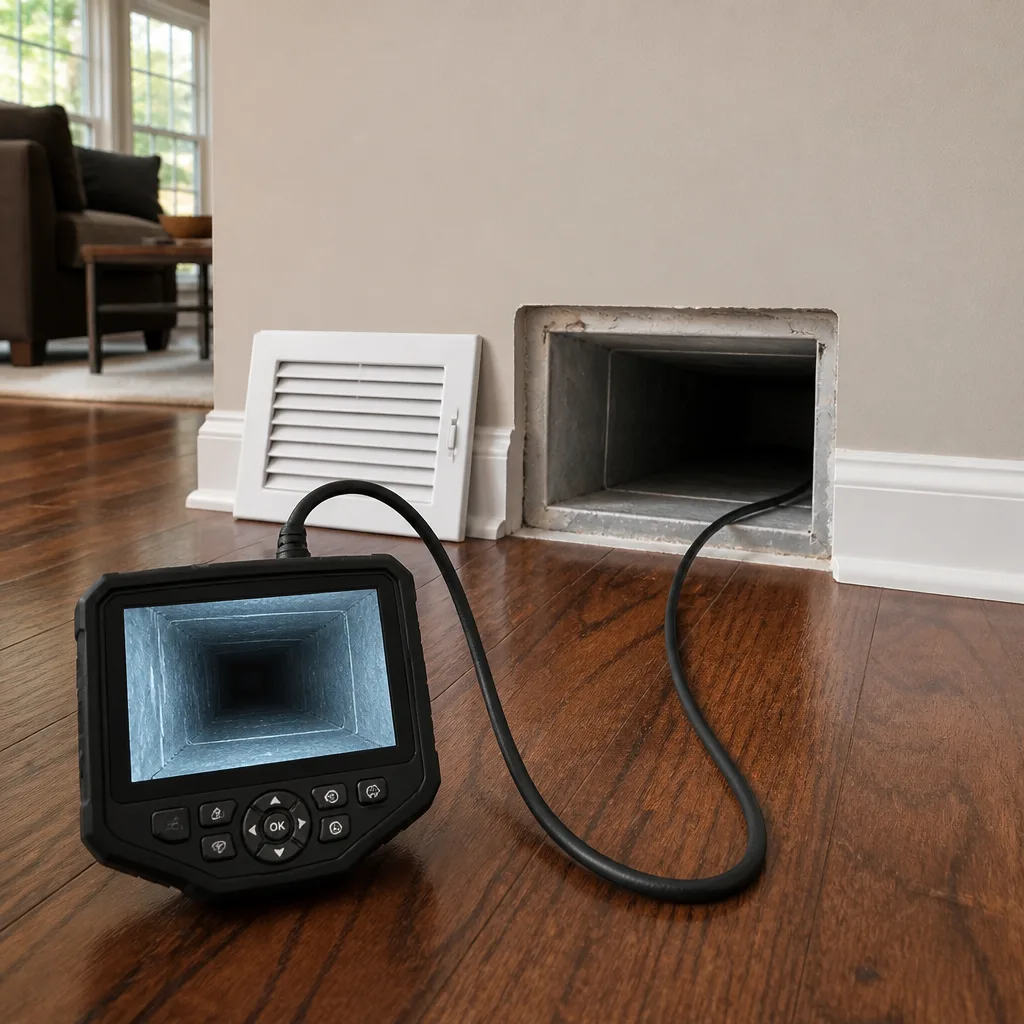 Camera inspection
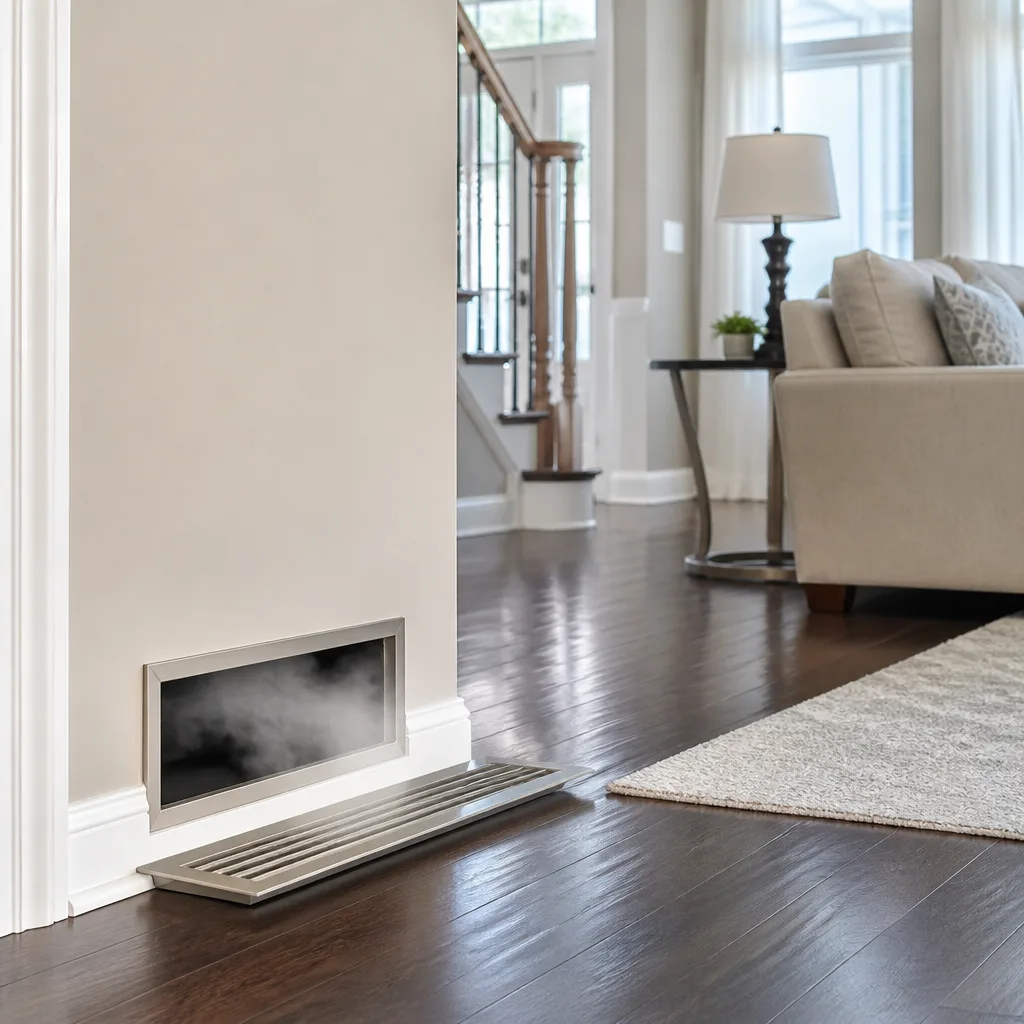 Sanitizing & deodorizing
Whole-system duct and dryer vent check with before-and-after photos - you see exactly what came out of your vents
That "$99 whole-house special" is a bait ad - the real number appears once they are in your hallway, or the "clean" is a shop-vac at the register. We photograph the inside of your ducts before and after instead.
Air Duct Cleaning Warning Signs: A French Park Homeowner’s Reference Guide
By the time dust is visibly blowing from your registers, the contamination event that caused it happened weeks or months ago. The signs that actually matter are subtler, and most homeowners walk past them every day without a second thought. A slightly warmer room on one side of the house, a filter that loads up faster than it used to, a faint smell you only notice when the system first kicks on. In our experience working in French Park, these quiet signals tell you more about the health of your air system than a cloud of dust ever will. This guide explains the mechanical reason behind each early warning sign, so you can tell the difference between normal wear and a system that needs attention now.
Quick Answer
The most reliable early warning signs of duct contamination are asymmetric airflow between rooms, filters that load up unusually fast, a musty or microbial odor at start-up, recurring dust on horizontal surfaces after cleaning, and a gradual drop in HVAC performance. Visible dust blowing from registers is a late-stage symptom, not an early one. In French Park, mild winters mean the system runs year-round on cooling and heating cycles, so small airflow problems compound quietly rather than getting a seasonal reset from hard heating demand.
Styles & brands we work with
- Whole-home duct cleaning
- Dryer vent cleaning
- Camera inspection
- Sanitizing & deodorizing
Table of Contents
- Sign #1: Uneven Airflow Between Rooms (The Tissue Test)
- Sign #2: A Filter That Loads Up Fast
- Sign #3: The Musty Smell at Start-Up (And Why Moisture Collects There)
- Sign #4: Dust That Returns Days After Cleaning
- Sign #5: Warning Signs After Renovation or Pest Work
- Sign #6: A System That Works Harder Than It Used To
- Immediate Response vs. Scheduled Intervention
- The Room-by-Room Check Any Homeowner Can Do
Sign #1: Uneven Airflow Between Rooms (The Tissue Test)
A bedroom that always feels a little warm, or a hallway register that barely moves air, is one of the earliest signals of a partial blockage or a separated duct. The reason is mechanical: forced-air systems are balanced by design, with each run sized to deliver a specific volume of air from the main trunk. When debris builds up inside one branch, or when a joint pulls apart behind a wall, that branch stops delivering its share. The air doesn’t disappear; the system simply pushes it harder through the paths that are still open. You feel it as a room that never quite catches up.
Asymmetric airflow is easy to miss because we adapt to it. We learn to close a vent, add a space heater, or just accept that the back bedroom is always a few degrees off. In French Park, where homes run their systems through long stretches of mild weather, the imbalance never gets dramatic enough to prompt a call. It just sits there, quietly stressing the blower and pushing more air through fewer openings.
The tissue test tells you what’s actually happening at each register:
- Hold a single-ply tissue against a supply register while the system runs on its normal setting.
- Note how firmly the tissue is held and how much it flutters. Do this at every supply register in the house.
- Compare the strongest register to the weakest. A noticeable difference in pull indicates a branch that’s restricted or leaking.
- Check that the weak register’s damper is fully open before drawing a conclusion.
- If one or two registers are consistently weak while others are strong, the problem is in the ductwork, not the settings.
What you’re feeling with the tissue test is the volume of air moving past the grille. When that volume drops in one room and stays normal in another, the difference is your early warning that something in the branch or joint needs a look. This is exactly the point where an air duct cleaning and inspection catches a problem while it’s still cheap to fix.
Sign #2: A Filter That Loads Up Fast
If you change your filter and it looks gray and clogged well before its rated interval, the contamination is coming from upstream, inside the system. The filter is doing its job: it’s catching what the return side is feeding it. A filter that loads up fast is telling you the return plenum, the trunk line, or the ductwork behind it is carrying particulate that shouldn’t be there. When the return side is clean, a filter loads at a predictable rate. When it’s contaminated, the filter becomes a fine-mesh screen full of debris in weeks instead of months.
There’s a second reading here that many homeowners miss. A filter that clogs fast isn’t only a sign of duct debris; it’s also a sign your blower is pulling harder against resistance. That extra strain shows up on your energy bill and shortens the life of the blower motor. The filter is the cheapest part of the system, but the load it carries is a direct read on everything behind it.
What fast filter loading tells us, in order of likelihood:
- Return-side debris: dust and construction particulate settled in the return ductwork, feeding the filter with a steady supply.
- Improper filter fit: a filter that doesn’t seal at the edges lets air bypass it, so the filter loads unevenly and the system collects what didn’t get caught.
- A filter that’s too restrictive: a high-MERV filter on a system not designed for it can starve airflow and cause its own set of problems.
- Duct separation: a gap in the return or supply duct pulls unfiltered air from a wall cavity or attic and dumps it straight into the airstream.
Filtration upgrades are where selecting the right product matters. Aprilaire and Honeywell filtration and humidity products are designed to work with your system’s airflow rather than against it, and installing one means the filter does its job without fighting the blower. A professional-grade system paired with a properly sealed duct doesn’t just filter the air; it stops the debris at the source.
Sign #3: The Musty Smell at Start-Up (And Why Moisture Collects There)
A faint musty or earthy smell that appears in the first minute after the system starts, then fades, is a microbial signal and one of the few signs here that deserves immediate attention. The mechanical reason is condensation. The evaporator coil runs cold and dehumidifies the air passing over it. Water collects on the coil, drips into the drain pan, and leaves the area around the coil, the plenum, and the first few feet of ductwork damp. In French Park’s mild climate, the system runs cooling cycles for much of the year, so the coil stays damp for long stretches. Moisture plus settled dust equals the conditions where mold and mildew establish themselves.
What you’re smelling at start-up is those microbial colonies releasing spores into the airstream. Once the fan is running, the smell dilutes; that’s why it’s strongest in the first minute. The critical point is location: the contamination is at the coil and the plenum directly downstream, which is exactly where the air you breathe passes first. This is the point in the system where a HVAC cleaning matters most, because cleaning the coil and plenum handles the source rather than just the duct runs.
A microbial odor is not a thing to schedule for next month. It’s the one sign on this list where the contamination is active and the air quality impact is immediate. Contamination-sensitive homes, or homes where anyone has respiratory sensitivity, should treat it as urgent. Our approach uses Abatement Technologies negative-air equipment to contain the work area while the coil and duct interiors are cleaned, which keeps the disturbance of cleaning from spreading spores through the rest of the house. Sanitizing treatments applied to duct interiors afterward address what’s left on surfaces.
Sign #4: Dust That Returns Days After Cleaning
Normal household dust resettles gradually. Dust that’s back on your shelves and electronics within days of a thorough cleaning means the system is actively depositing it. The distinction matters because it tells you whether the dust came from the surfaces you cleaned or from a supply still feeding it. When a surface dusts over quickly and the pattern is heaviest near the supply registers, the source is the airstream itself.
The mechanical reason is that a supply duct with accumulated debris is a distribution system for that debris. The blower pushes air through it, the airflow lifts particles off the duct walls, and those particles exit into the room. The more the system cycles, the more dust it delivers. A home that’s cleaned regularly still dusting up fast is the classic sign that surface cleaning is solving the symptom and not the source.
The other places this sign hides:
- Horizontal surfaces near registers: the first place the airstream deposits what it carries.
- Return grilles: a gray shadow on the grille face is captured debris; a grille that darkens quickly is loaded with it.
- Blinds and ceiling fan blades: they catch what settled on the air and stayed.
- Electronics: they pull air through themselves, so they’re an unintentional filter in every room.
If the dust returns fast after a cleaning, the next step is a full-system look, not another round of surface dusting. Rotobrush rotary-brush equipment agitates debris off the duct walls and Nikro HEPA-rated vacuum capture removes it, which is how a proper cleaning gets the source instead of the symptom.
Sign #5: Warning Signs After Renovation or Pest Work
Two events that homeowners routinely assume were contained but rarely are: a renovation and a pest treatment. Both fill the air system with particulate that the system then circulates, and both leave warning signs that show up weeks later.
After a renovation, the fine dust from drywall, sanding, and cutting doesn’t stay in the room where the work happened. It’s drawn into the return registers, which in many homes are located near the work area. The system becomes the vacuum, pulling construction dust into the ductwork and the coil. The signs to watch for afterward:
- A filter that loads up within weeks of the work finishing.
- Fine white or gray dust on surfaces in rooms distant from the renovation.
- A smell of drywall or construction dust when the system first starts.
- A drop in airflow in the rooms closest to the work, where the returns pulled hardest.
After a pest treatment or infestation, the signs are different but the pattern is the same. Debris from nesting, shed material, and droppings can settle into ductwork, and pest-control dust can be drawn into the system. An odor that doesn’t match the treatment, or recurring filter loading in one zone, points to contamination the homeowner assumed was localized. These are the cases where a contained cleaning with negative-air equipment is the right call, because the material being removed shouldn’t be spread during removal.
In French Park, where homes often have a mix of older construction and newer renovation work, we see both patterns regularly: a room added or a kitchen redone, and months later a filter that won’t stay clean. The Air Duct Cleaning French Park team treats post-renovation and post-pest cleaning as its own scenario, not a routine visit, because the equipment and containment differ.
Sign #6: A System That Works Harder Than It Used To
A system that runs longer to reach the same set point, or one that never quite gets there, is a performance signal that traces back to the air pathway. The mechanical reason has a few possible sources, and the pattern tells you which: a coil fouled with debris loses its ability to transfer heat, so the system runs longer to cool the same air; a restricted duct forces the blower to work against higher static pressure; and a leaking supply duct delivers less conditioned air to the rooms than the system produced. Each of these makes the system work harder for the same result.
In a mild climate like French Park’s, there’s a temptation to write off a slow-cooling room as a mild-season quirk. But a system running longer than it should is spending energy on a problem that cleaning and sealing can address. Many efficiency problems that look like an aging unit are actually an air-pathway problem wearing a disguise.
The pair of signals we watch for together:
- Longer run times with no change in thermostat settings or weather.
- A room that’s consistently warmer even when the rest of the house reaches set point.
- A blower that sounds different or cycles more often than it used to.
- Energy bills that creep up without an obvious usage change.
When performance drops, the honest answer is to look at the whole air pathway rather than guess at the unit. Duct repair and sealing addresses the leaks that lose conditioned air before it reaches the room; cleaning addresses the fouling. dryer vent cleaning belongs on the same visit when the laundry is running long too, since a clogged vent is the same “works harder than it should” pattern in a different system.
Immediate Response vs. Scheduled Intervention
Not every warning sign is urgent. Sorting them correctly is how you avoid both overreacting to dust and underreacting to active contamination. Here’s how we separate them.
Immediate response (schedule within days):
- Microbial odor at start-up: active contamination at the coil and plenum is releasing spores into the airstream. Treat it as urgent.
- A sudden drop in HVAC performance: a system that stops cooling or heating properly can indicate fouling or a duct failure that gets worse with use.
- Water staining or visible moisture near a duct or the coil area: an active moisture source will keep feeding microbial growth until it’s corrected.
- Post-pest contamination with odor: material that shouldn’t be circulated needs contained removal.
Scheduled intervention (make an appointment, not an emergency):
- Gradual dust accumulation: evidence of debris, but a slow buildup rather than a sudden event.
- Minor airflow variation between rooms: worth a look and often a simple seal, but a slow-developing issue.
- Filters loading a little fast: a trend to watch and address at your convenience, not a call tonight.
- Post-renovation dust: especially important to clean before the next seasonal run, but not an emergency.
The reason sorting matters is that each category calls for a different kind of work. Microbial and post-pest problems call for containment-grade cleaning with negative-air equipment. Gradual dust and airflow issues call for a proper agitation-and-extraction clean. Getting the category right on the call is what lets us arrive with the right equipment for the job.
The Room-by-Room Check Any Homeowner Can Do
You don’t need tools to do a useful check of your own system. A tissue, a notebook, and ten minutes will tell you most of what a professional looks for on the first pass. The method is simple: walk the house with the system running on its normal setting and record what each register is doing.
- Run the system on the setting you use most often, and let it run for a few minutes to reach steady airflow.
- Go to each supply register and hold a single-ply tissue against it. Note the strength of the pull and the flutter.
- Record the reading for each room on a simple sketch of your floor plan.
- Check the return grilles for a gray shadow or a darkening film on the face.
- Look at your filter: note how long it’s been in and how loaded it is. Compare to its rated interval.
- Listen at the air handler or furnace for any change in blower sound.
- Note any room that smells musty when you first turn the system on.
What you’ll end up with is a map of your system’s behavior. If one or two registers are weak while the rest are strong, if a return grille is darkening quickly, or if the filter is loading faster than it should, you have a specific finding to bring to a professional. The same pattern that matters to a technician on a call is visible to you with a tissue and a few minutes. Many homeowners in French Park have never done this check, and most who do find at least one register that doesn’t match the others. That’s the point of the whole exercise: the system has been telling you something for a while, and now you know how to hear it.
If your check turns up signs, the right next step is a whole-system look rather than a single symptom fix. The Rotobrush and Nikro equipment used on an inspection and clean reaches the trunk lines, branches, coil, and plenum that your tissue test can’t see.
Common Mistakes to Avoid
- Chasing dust on surfaces instead of the source. Dust that returns in days is coming from the system, not the room. Cleaning surfaces without addressing the supply duct means the cycle continues.
- Assuming a bare register is a sign of a clean system. A register that never seems to get dirty can be a register that isn’t moving air. Check the pull, not just the grille.
- Replacing the filter and calling it done. A filter is a capture device, not a fix. If it loads fast, the debris upstream is still there.
- Ignoring a musty smell as a mild-season quirk. In French Park’s mild climate, the coil stays damp for long stretches. That odor is active contamination at the coil, and it’s the one sign that shouldn’t wait.
- Assuming a renovation or pest treatment was contained. Construction dust and pest debris are the two most commonly missed contamination events, and both get drawn into the return system.
- Hiring on a low per-vent coupon. A price that sounds too good for a whole system usually becomes a much larger invoice once the technician starts adding line items. Ask for a flat price per system, agreed before work starts.
- Skipping the inspection. Cleaning without inspecting the coil, plenum, and duct joints means missing the leaks and separation that cause re-contamination. The reason we repair and seal what we find on the same visit is that cleaning a leaky system just means cleaning it again sooner.
See the difference
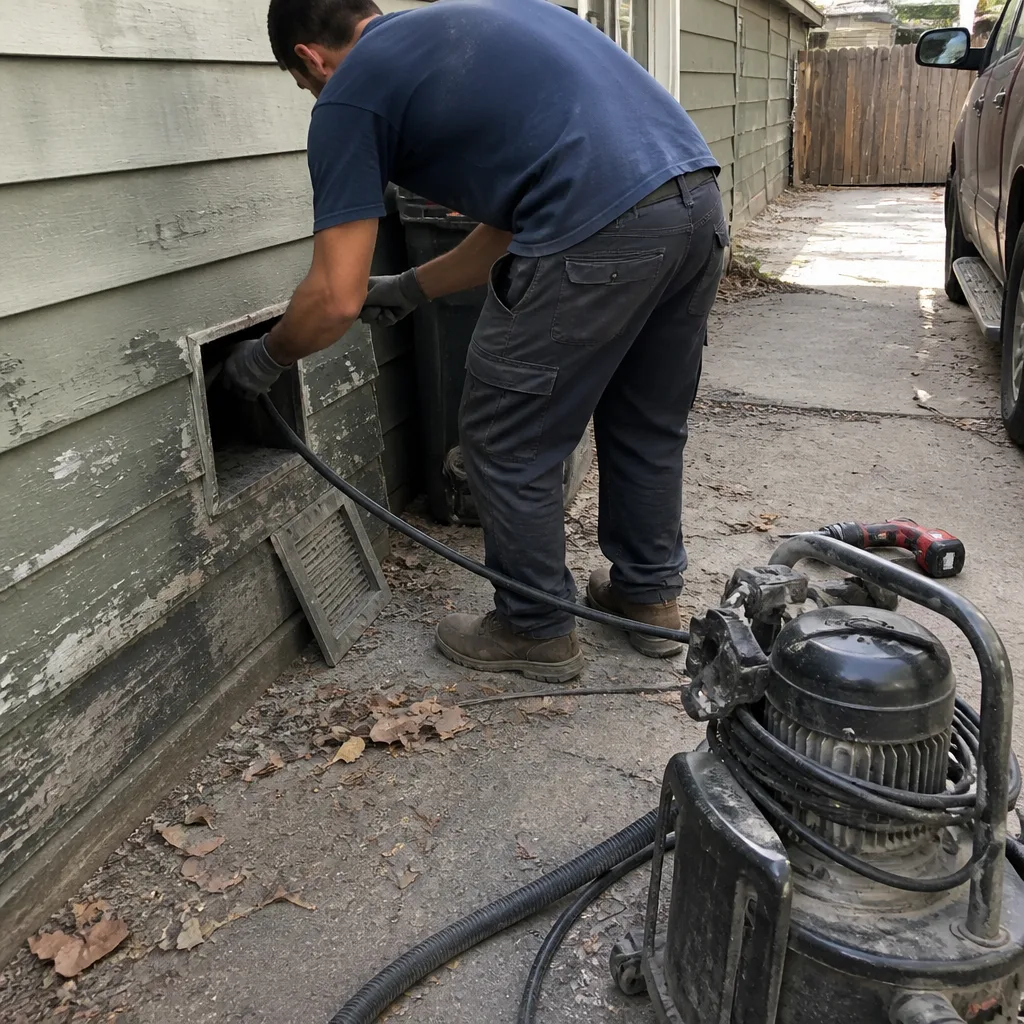 Before
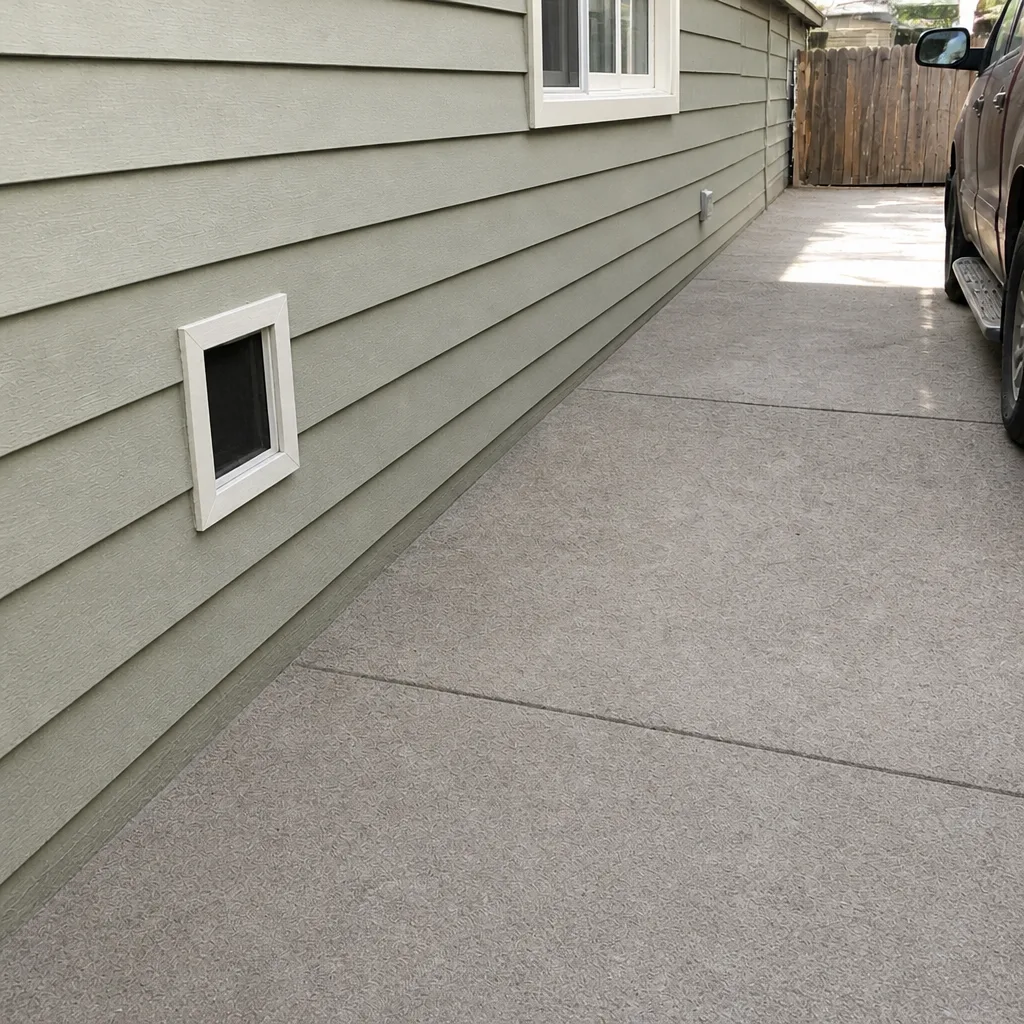 After
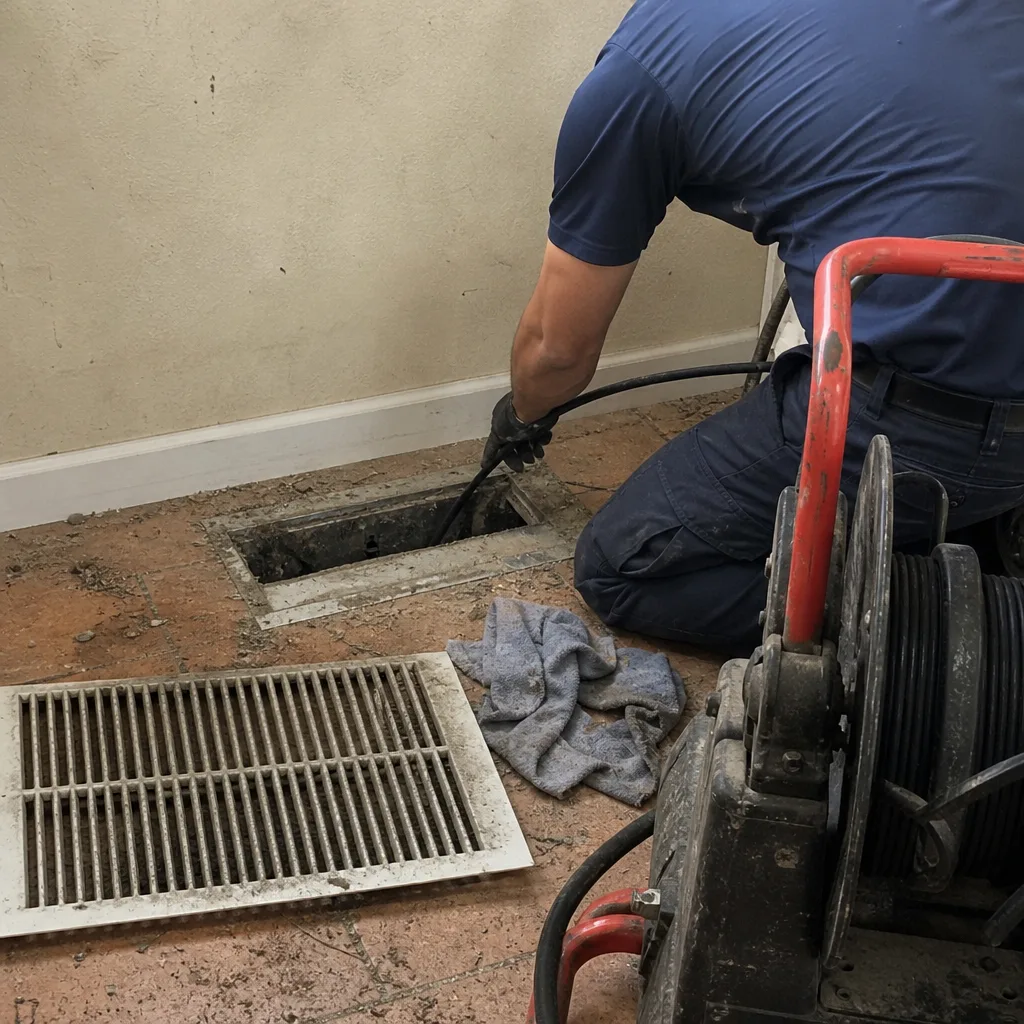 Before
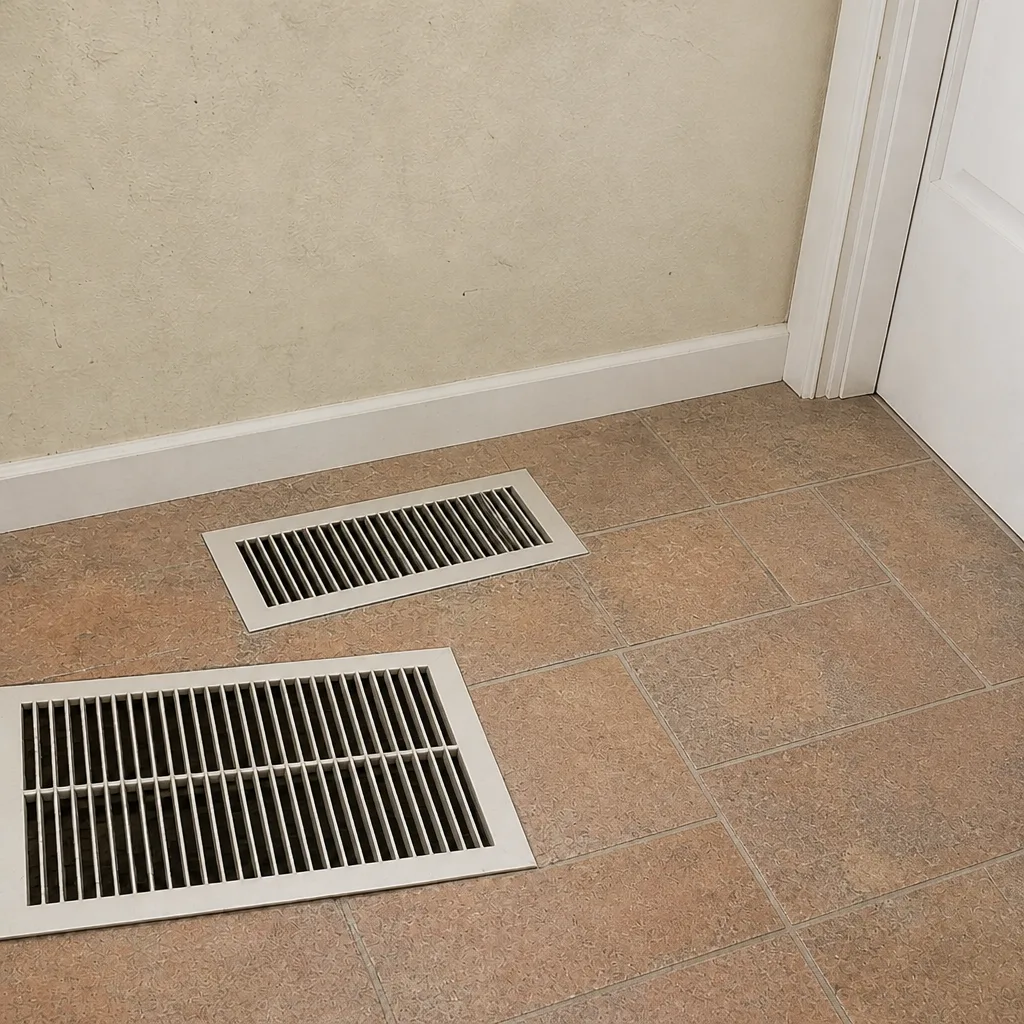 After
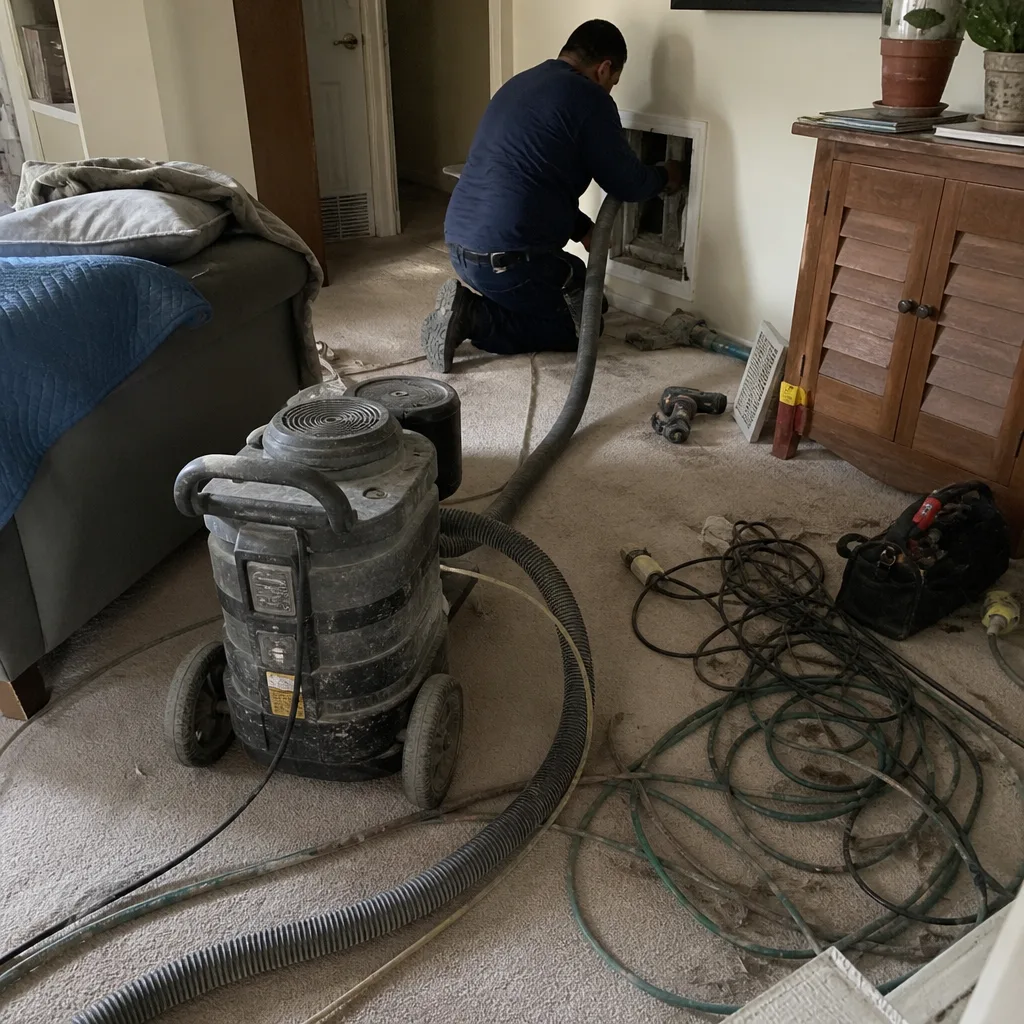 Before
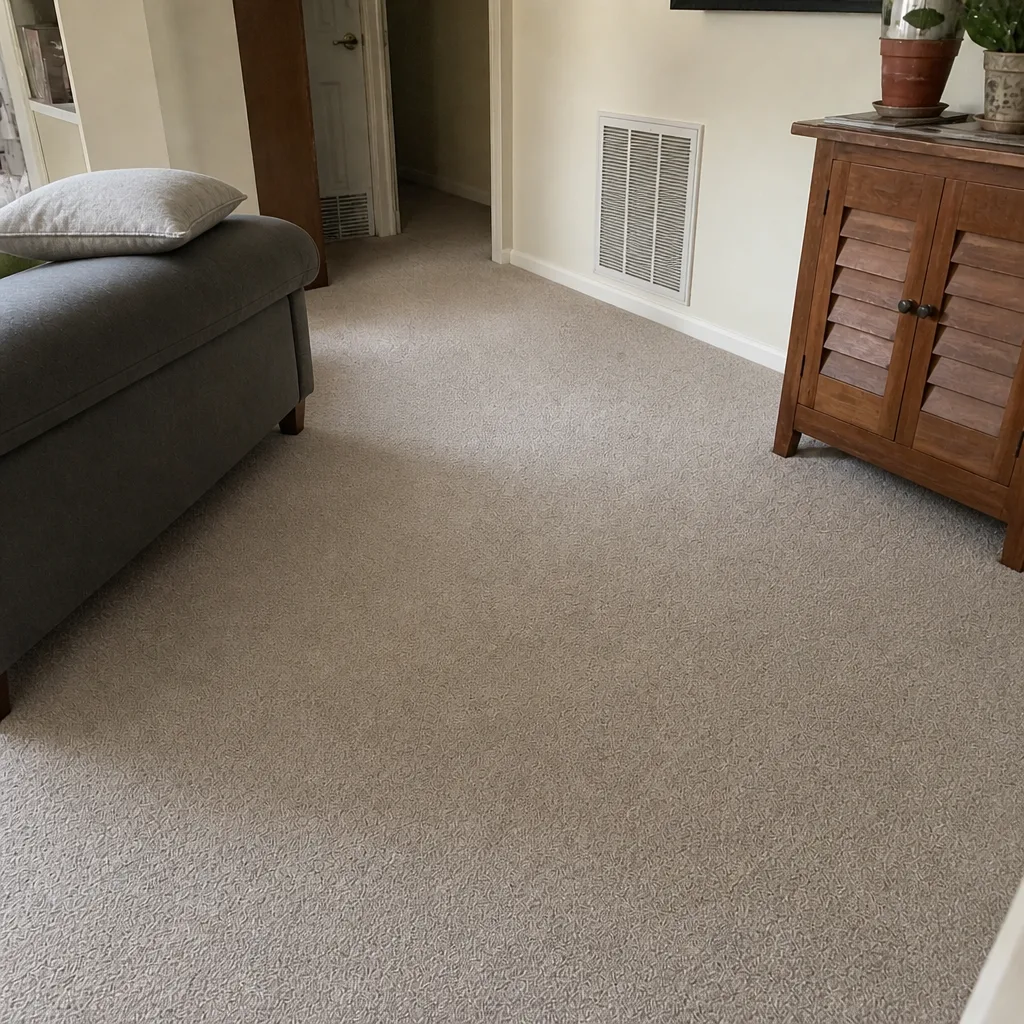 After
When to Call a Professional
Call when you find a microbial odor at start-up, when a room has stopped keeping up with the rest of the house, when your filter loads fast even after a replacement, or when a renovation or pest treatment left signs the event wasn’t contained. Those are the cases where a whole-system look with proper agitation and extraction equipment resolves the source rather than the symptom. Dust that returns within days and airflow that’s drifted out of balance belong on the same list. If you’re not sure which category your signs fall into, that’s what a call is for; the answer depends on where the contamination sits and how active it is, and that’s a judgment a technician makes on site. Air Duct Cleaning French Park offers free estimates in French Park. Call (833) 509-5212 to book one.
Frequently Asked Questions
The earliest warning signs are subtle: uneven airflow between rooms, a filter that loads up faster than its rated interval, and a faint musty smell that appears only in the first minute after the system starts. Visible dust blowing from registers is a late-stage symptom, not an early one. If you notice any of those three, a professional inspection will tell you what’s actually going on. Call (833) 509-5212 for a free estimate.
A filter that loads fast is telling you the debris is coming from upstream, inside the ductwork or return plenum. The filter is catching what the system feeds it, so a quick-loading filter usually means a contaminated return side, a duct joint that’s pulled apart, or a filter that doesn’t seal at the edges. Call (833) 509-5212 to have the return side inspected; estimates are free.
Yes, treat a musty smell at start-up as urgent. The smell indicates active microbial growth at the evaporator coil and plenum, where moisture collects and stays damp. It’s the one warning sign that shouldn’t wait for a convenient time. Call (833) 509-5212 and we’ll book a contained inspection and clean.
Hold a single-ply tissue against each supply register while the system runs and compare the strength of the pull from room to room. A register that barely holds the tissue compared to the rest of the house signals a restricted or separated branch in the ductwork. Note the results on a floor plan and bring them to the call. Call (833) 509-5212 for a free estimate.
Yes, after a renovation the ductwork is usually worth a look even if you saw no dust at the time. Drywall and sanding particulate gets drawn into return registers and settles into the duct system, and it often shows up as fast filter loading or fine dust in distant rooms weeks later. Call (833) 509-5212 to schedule an inspection in French Park.
Microbial odor, a sudden HVAC performance drop, water staining near the coil, and post-pest contamination warrant immediate response. Gradual dust buildup, minor airflow variation between rooms, and slow filter loading can be scheduled at your convenience. If you’re unsure which group your signs belong to, call (833) 509-5212 and we’ll help you sort it out; estimates are free.
The Bottom Line
The signs that matter are the quiet ones: air that doesn’t reach a room the way it used to, a filter that loads too fast, a smell that only shows up in the first minute, dust that comes back in days. Each one has a mechanical cause, and each one is cheaper to address early. Contamination follows events too, in the form of renovations and pest treatments homeowners assume were contained. In French Park, where mild weather keeps the system running through the year without a hard seasonal reset, those small signals compound quietly. The task is to notice them and act on the ones that shouldn’t wait, while scheduling the ones that can. One visit that handles every air-pathway issue, with a flat price per system agreed before work starts and before-and-after photos of your own ducts, is how the problem gets solved correctly the first time. Call (833) 509-5212 for a free estimate. We answer 24/7. Fast dispatch from 7am to 7pm, Sunday through Friday.
Written by the team at Air Duct Cleaning French Park.