
Last updated November 24, 2026
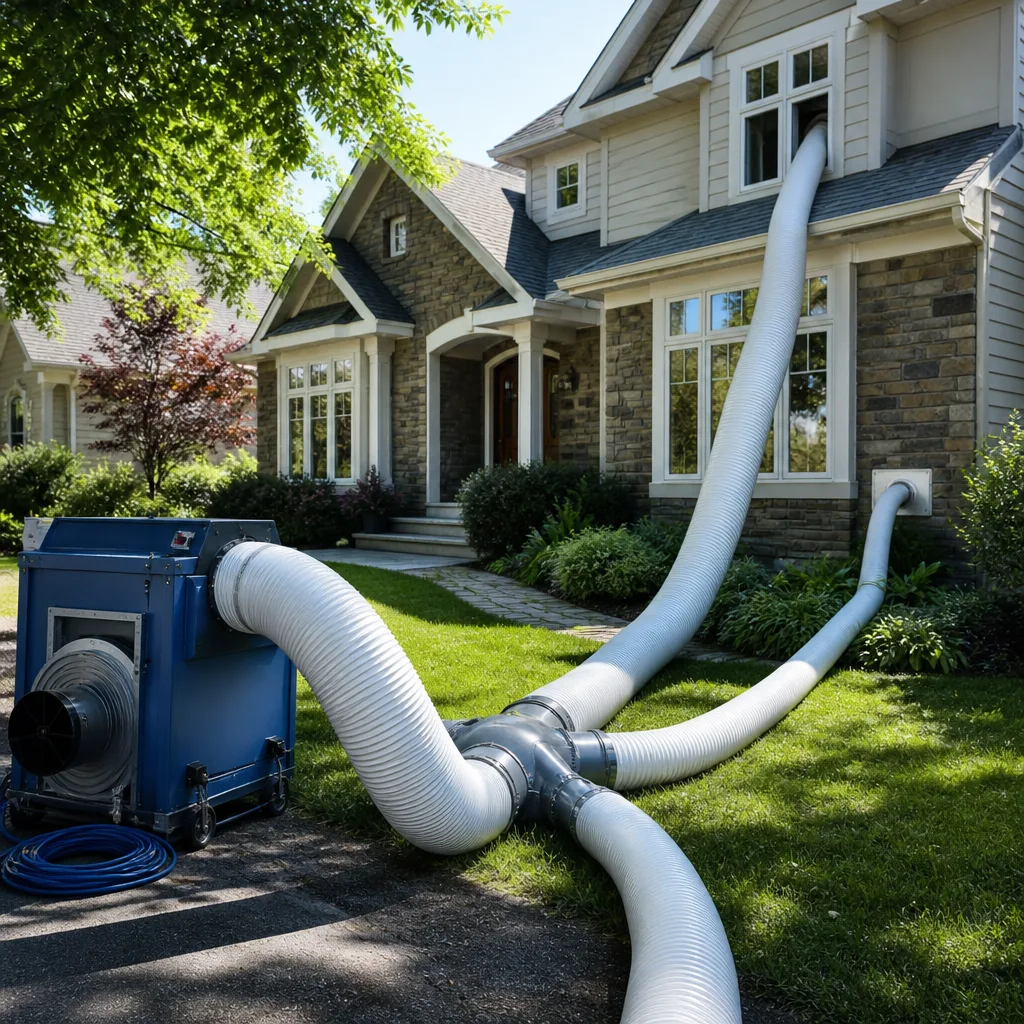 Whole-home duct cleaning
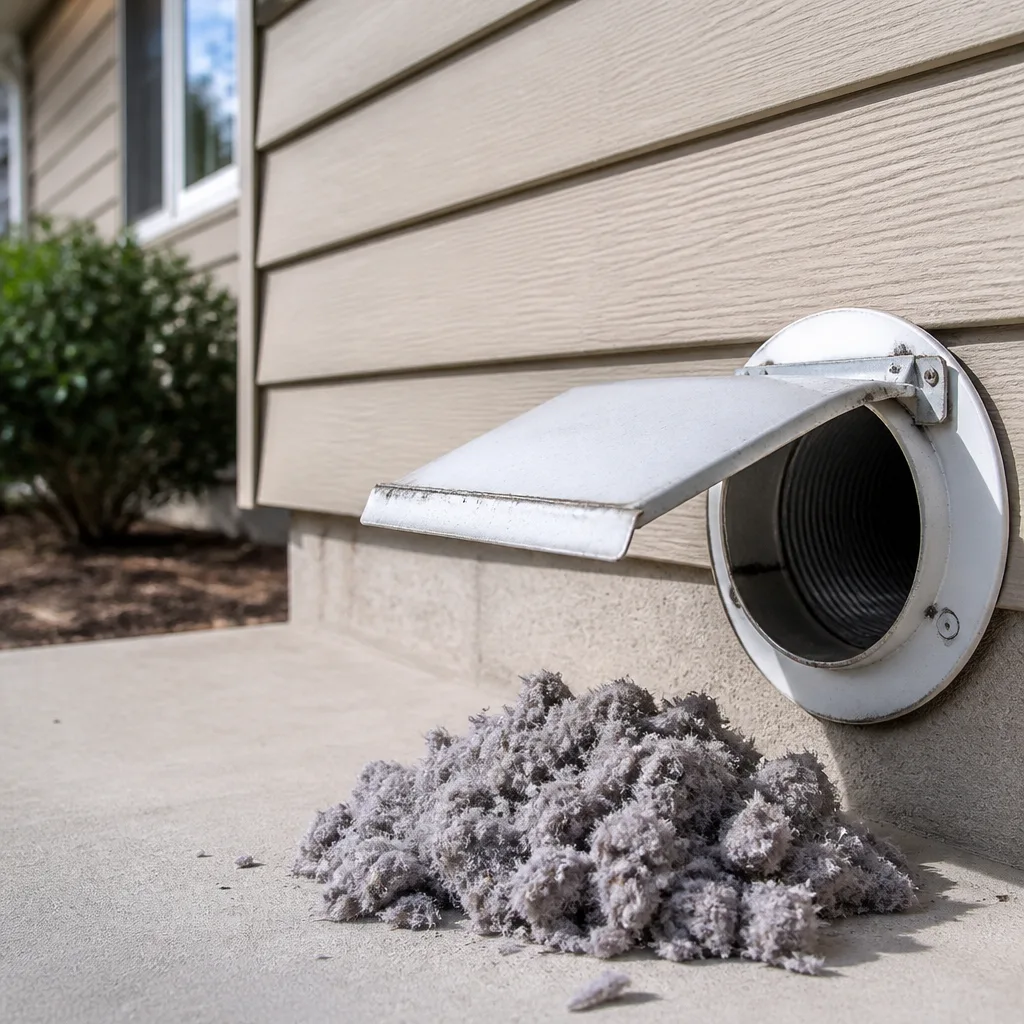 Dryer vent cleaning
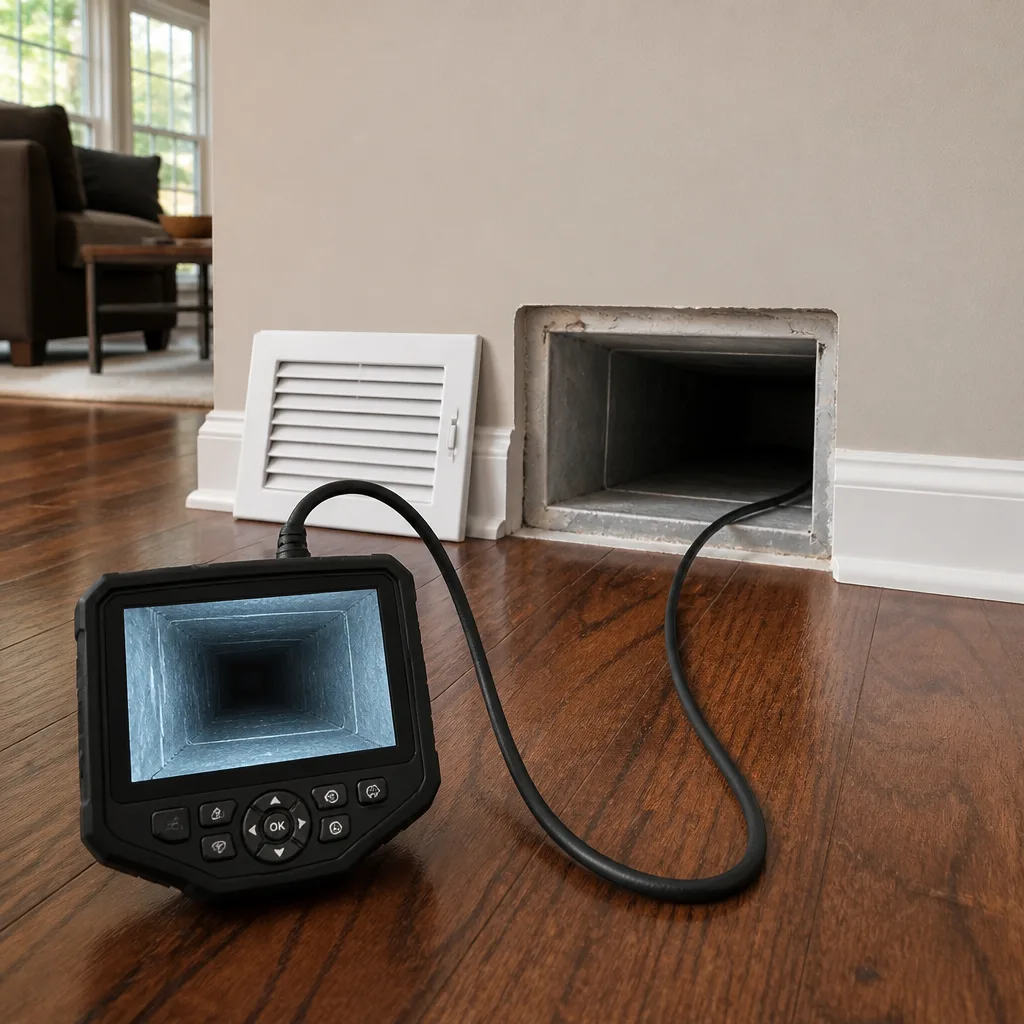 Camera inspection
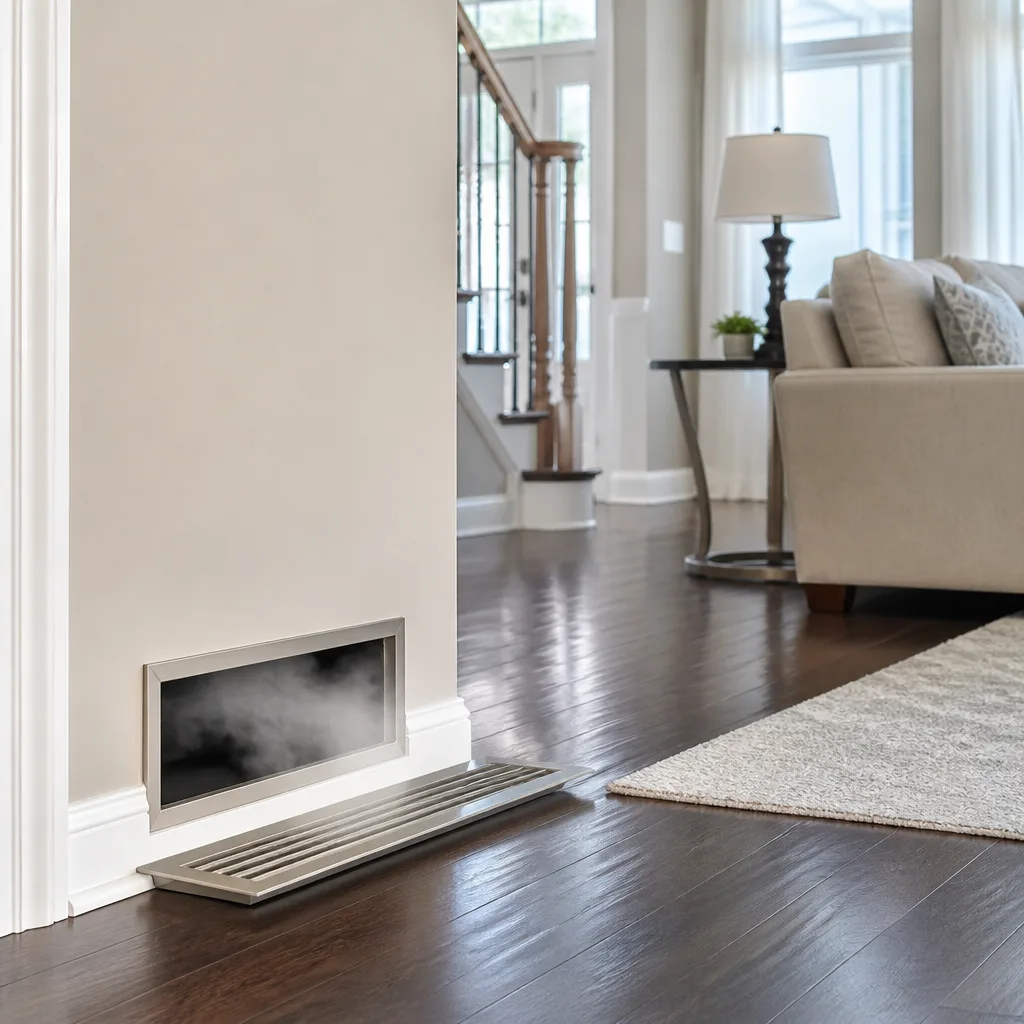 Sanitizing & deodorizing
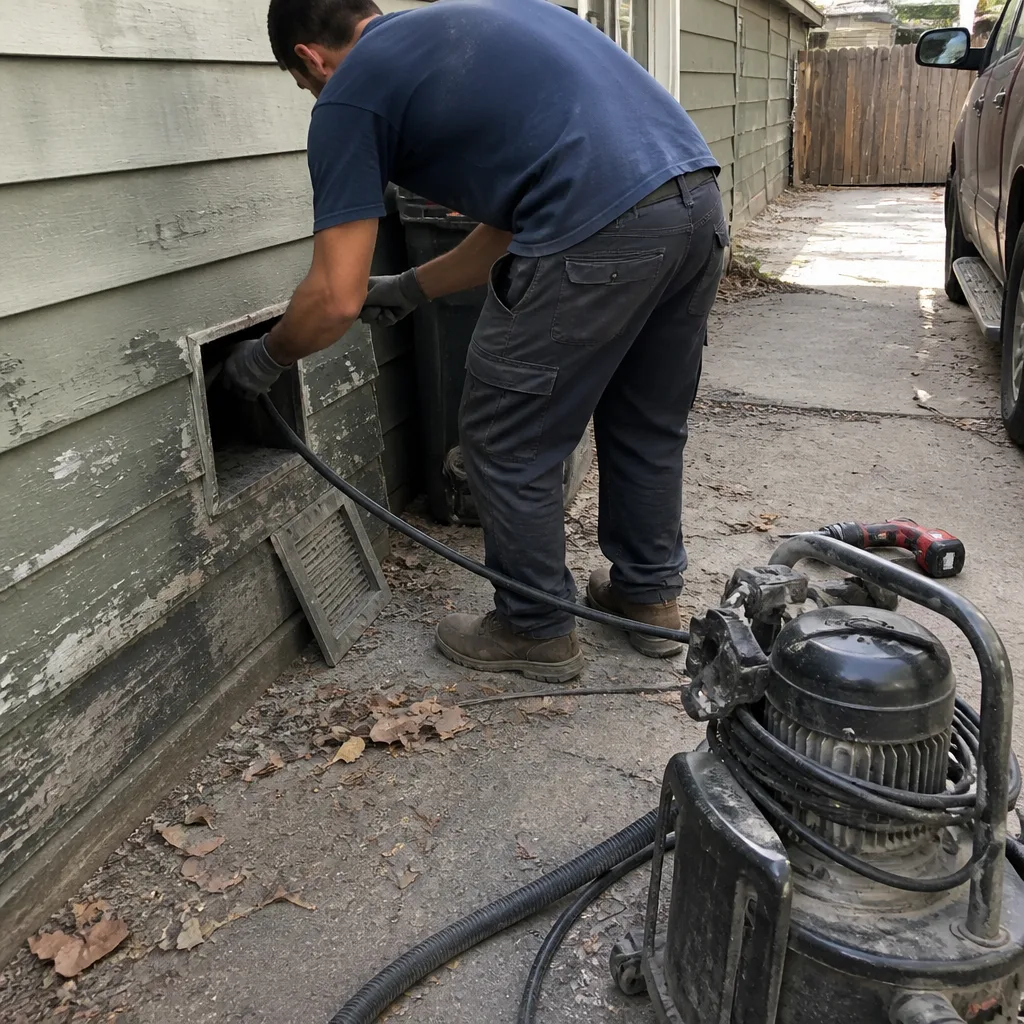
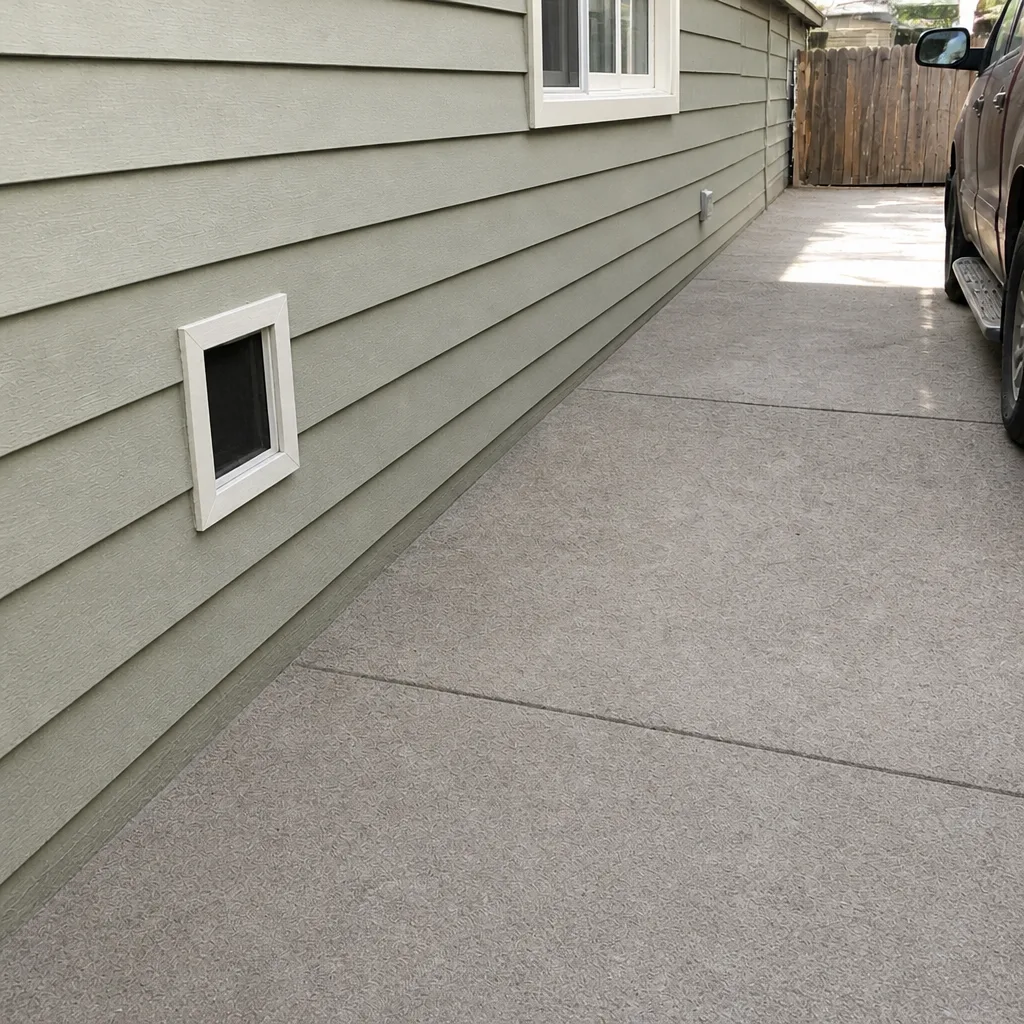
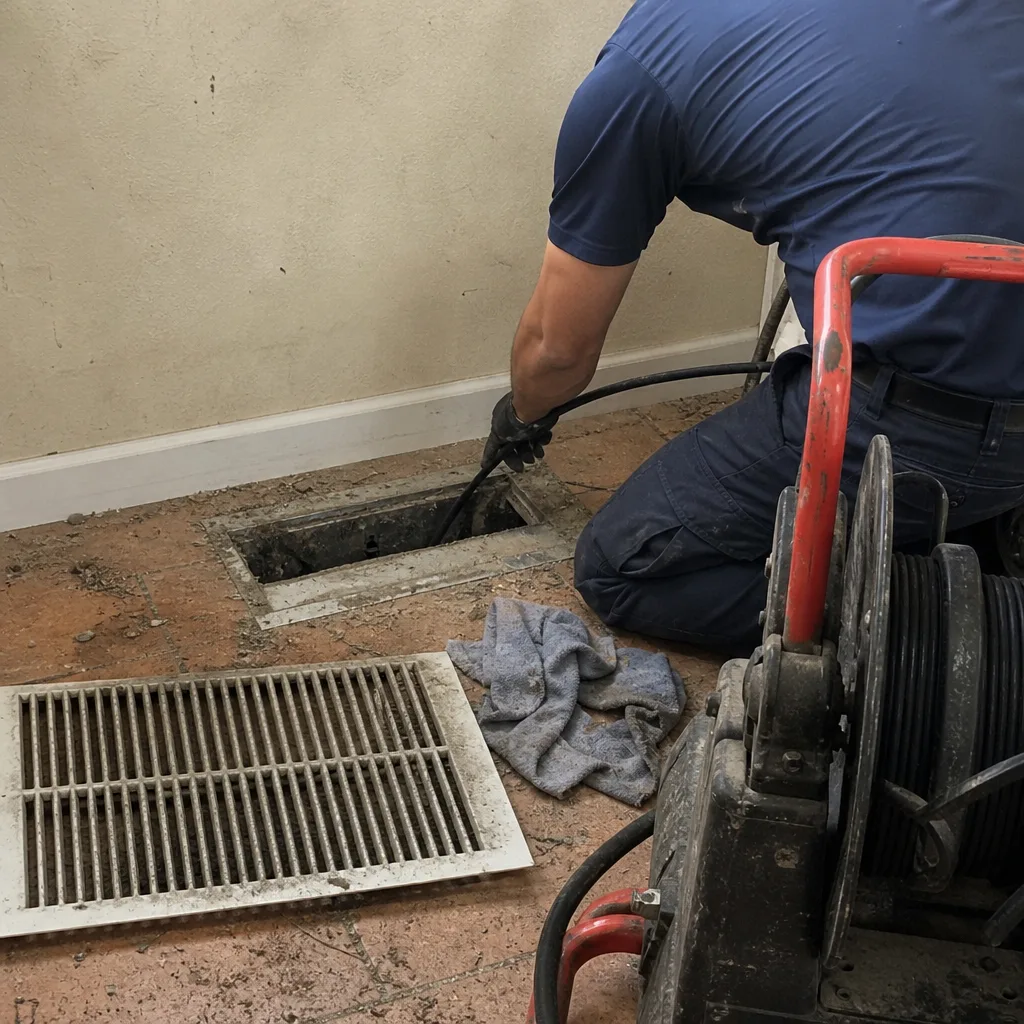
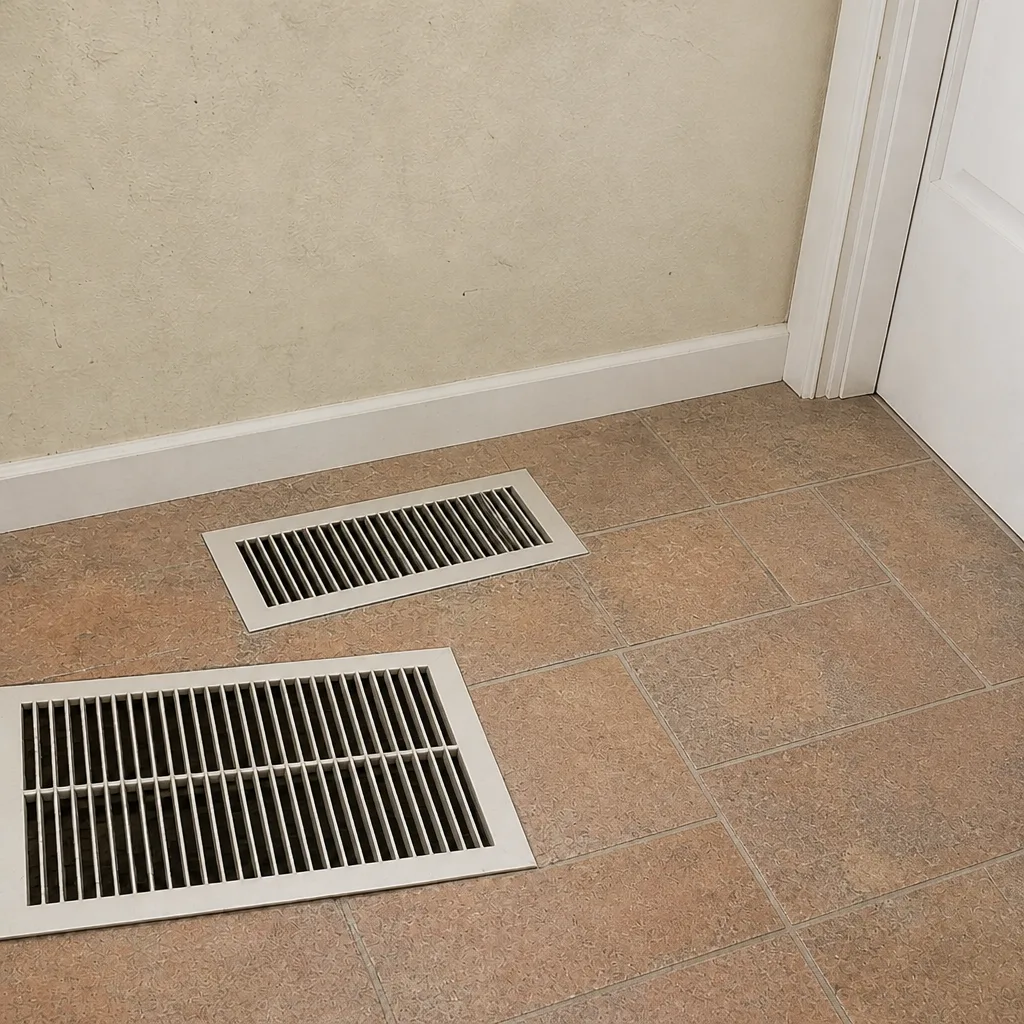
Whole-system duct and dryer vent check with before-and-after photos - you see exactly what came out of your vents
That "$99 whole-house special" is a bait ad - the real number appears once they are in your hallway, or the "clean" is a shop-vac at the register. We photograph the inside of your ducts before and after instead.
Choosing the Right Air Duct Cleaning Brand: A Buyer’s Guide for French Park
Here’s the uncomfortable truth about this category: there’s no consumer-facing duct cleaning brand that reliably signals quality the way a furnace or air conditioner brand does. You can’t walk into a home and read the badge on the air handler to know who cleaned the ducts last. That means a homeowner in French Park who shops by recognizable name is optimizing for the wrong variable entirely. What actually determines whether your ducts come out clean is the equipment a specific company operates on-site and the process standard they follow once they’re inside. This guide teaches you how to evaluate both, from a pre-job phone call to the before-and-after documentation you should demand before you pay.
Quick Answer
The “best” air duct cleaning company in French Park isn’t identified by its brand name, franchise sign, or advertising spend. It’s identified by the equipment it brings through the door and the process it follows. Ask any company to name their vacuum unit and its filtration rating, tell you how their brush heads match your duct material, and show a pre- and post-cleaning video of the inside of your ducts. Companies that operate professional rotary-brush and HEPA-rated extraction equipment, and that document their work from inside the ductwork, will answer those questions without hesitation. Anyone who dodges them is telling you something.
Styles & brands we work with
- Whole-home duct cleaning
- Dryer vent cleaning
- Camera inspection
- Sanitizing & deodorizing
Table of Contents
- Why “Brand” Means Almost Nothing in Duct Cleaning
- Franchise, Independent, or HVAC Company: Three Equipment Models
- Certifications That Carry Weight vs. Labels That Don’t
- How to Evaluate a Company’s Equipment Before You Book
- What Legitimate Before-and-After Documentation Looks Like
- The Five Criteria That Actually Differentiate Providers
- Why French Park’s Climate and Housing Shape What Your Ducts Need
- Common Mistakes to Avoid
- When to Call a Professional
- Frequently Asked Questions
Why “Brand” Means Almost Nothing in Duct Cleaning
Think about how you’d choose a furnace. Carrier, Trane, Lennox: each has a reputation built over decades, a spec sheet, and an installed base of millions of units you can read about. Duct cleaning has none of that consumer infrastructure. The companies doing the work are mostly local operators. There’s no household name you can compare against a competitor’s name, because the industry never built one.
That creates a specific trap. A homeowner searching “best air duct cleaning company French Park CA” tends to lean on proxy signals: a polished website, a familiar franchise logo, a coupon in the mail, a pleasant receptionist. None of those signals have any relationship to whether the debris actually leaves your ductwork. We’ve seen the results of a cosmetic cleaning job: a freshly wiped return grille and a duct interior that’s still coated in dust. It looks clean from the hallway. It isn’t.
So what does correlate with outcome? Three things:
- The equipment. Purpose-built rotary-brush machines and HEPA-rated negative-air extraction remove far more than a shop vacuum with a hand brush, and the difference shows up in what’s left behind.
- The process. Agitate, then extract, then verify. Some companies skip the agitation step entirely, which leaves adhered dust on the duct walls.
- The documentation. A crew willing to show you the inside of your own ducts before and after is confident in its work. A crew that shows you only the grille is hiding something.
Everything else – branding, advertising, uniforms, the sign on the side of the van – is packaging. In French Park and anywhere else, the duct doesn’t know or care what company name is on the invoice.
Franchise, Independent, or HVAC Company: Three Equipment Models
The three categories of duct cleaning provider in the French Park market are structured very differently, and that structure dictates the equipment they can justify owning. Understanding the model tells you a lot before anyone arrives.
National franchises operate on a licensed-territory model. The franchise owner bought the name. Their equipment investment depends on the individual owner, so two franchises of the same brand in adjacent territories can run wildly different machines. The name tells you nothing about the truck in your driveway.
Independent specialists build their reputation locally and often invest in higher-end equipment because the equipment is their whole differentiator. A true specialist knows that a $12,000 rotary-brush system plus a HEPA-rated vacuum is the reason a customer refers them. The irony is that the independent with the best equipment is often the one with the least recognizable name.
HVAC companies that add duct cleaning face a different calculation. Their core revenue is installing, repairing, and maintaining heating and cooling systems. Duct cleaning is a secondary service, and it competes for their equipment budget against the HVAC gear that pays the bills. Some HVAC companies do it well, but the equipment is often lighter and the process is sometimes an add-on rather than a specialty.
Here’s the takeaway: a company’s model predicts its equipment investment better than its logo does. Ask what category a provider falls into, then ask about the specific machines they operate. The answer will tell you whether duct work is the core of their business or an afterthought.
And if a provider offers several air-pathway services, like air duct cleaning alongside dryer vent cleaning and HVAC cleaning, that’s a sign the whole system is their focus, not a single job type.
Certifications That Carry Weight vs. Labels That Don’t
Duct cleaning has no true consumer-facing quality seal. There’s no equivalent of a furnace’s ENERGY STAR rating. That absence gets filled by marketing labels, and homeowners in French Park should know which is which.
Here’s a rough hierarchy of what a credential is worth on the sidewalk:
- Industry association membership (e.g. NADCA). The National Air Duct Cleaners Association is the recognized trade body. Membership signals a company has committed to the trade’s standards and technical criteria. It’s not a guarantee of quality on any one job, but it’s a genuine baseline. Ask for membership verification directly rather than trusting a logo on a website.
- Equipment-brand authorization. When a company is authorized to supply and install a named indoor-air-quality product line, like Aprilaire or Honeywell accessories, that authorization is verifiable. It reflects a real relationship with an equipment manufacturer, not a self-published badge.
- Sanitizer approvals. Any sanitizing treatment applied inside ducts should be an EPA-approved product used as directed. Ask which sanitizer they use and confirm the approval. We use Guardsman-grade treatments when sanitizing is requested, and the product is the product; the label is the evidence.
- Self-issued marketing labels. “Clean-air certified,” “award-winning,” “top 100,” or a shiny badge with no issuing body: treat these as decoration. If you can’t call or visit the organization behind a certification to verify it, it’s not a certification. It’s a graphic.
One reliable move: ask the company which organization issued any credential it advertises, then check on your own. A membership that’s real holds up to a phone call. A label made in a design program doesn’t. In our experience, the providers with the strongest credentials are the ones who mention them last.
How to Evaluate a Company’s Equipment Before You Book
You don’t have to accept what a company tells you at the door. You can evaluate its equipment from the website or during a pre-job phone call, and a confident operator will welcome the questions because the answers make their case.
Ask these specific questions and listen for specific answers:
- “What vacuum unit will be on site, and what are its filtration and airflow specs?” You want to hear a named, purpose-built machine, not “a strong shop vac.” Our crews use the Rotobrush rotary-brush system for agitation and a Nikro HEPA-rated vacuum unit for verified particulate capture. A company that can’t name its machine hasn’t invested in the equipment.
- “How do your brush heads match my duct material?” Sheet-metal ducts, flex duct, and rigid fiberglass board each respond to a different cleaning approach. A provider who says one brush fits everything hasn’t thought about it.
- “Will you use negative-air containment, and under what conditions?” For mold, allergen, or contamination-sensitive environments, negative-air equipment keeps disturbed particles inside the containment zone instead of floating into the living room. Abatement Technologies negative-air machines exist for exactly this; ask whether the provider has access to that capability.
- “Do you repair and seal, or only clean?” Cleaning a leaking duct system just re-contaminates it. A provider who can address gaps and breaks during the same visit treats the root cause, not the symptom.
- “Can you upgrade filtration or humidity control while you’re here?” A company authorized to install Aprilaire or Honeywell accessories can solve a broader IAQ problem, not just remove debris.
Write the answers down. The best provider in French Park is likely not the one with the biggest ad budget but the one whose answers are technical, specific, and verifiable. A company that can’t tell you its vacuum’s CFM rating over the phone is telling you something about its equipment before the truck even rolls.
What Legitimate Before-and-After Documentation Looks Like
Every duct-cleaning contractor will offer before-and-after photos. Most of those photos are useless. Here’s the distinction that matters.
Cosmetic documentation shows a grille, a register face, or a freshly vacuumed floor near the return. It proves nothing about the duct interior because the dust you’re worried about is inside the ductwork, not on the grille. Anyone can wipe a grille and photograph it.
Legitimate documentation looks like this:
- Video inspection of the duct interior. A camera run through the ductwork before and after cleaning shows the actual condition of the duct walls. Ask to see the footage from your own system, not a demo-video from a catalog.
- Pressure-differential or airflow readings taken before and after the work, when the job calls for it. These show whether the cleaning actually changed airflow through the system.
- Before-and-after photos shot inside the duct, not at the grille. The distinction between a photo of a duct interior and a photo of a return grille is the whole ballgame.
- Before-and-after photos of the components you asked about, such as the blower wheel or the evaporator coil if you booked more than duct cleaning.
There’s a related issue: what happens when the inspection finds something wrong. A leaking flex duct, an unsealed joint, a blower that needs attention. A legitimate company tells you what it found and offers to repair it, ideally in the same visit, rather than documenting a problem and leaving it. That combination – documentation plus repair and sealing – is what separates a full air-pathway service from a surface-level cleaning. Ask any provider whether they’ll do both.
The Five Criteria That Actually Differentiate Providers
If you want a clean, weighted way to compare two or three French Park providers, use these five criteria. The weighting reflects how much each factor actually influences whether your ducts come out clean. Price isn’t on this list because a cheap cleaning that misses the dust is worth less than a thorough one.
| Criterion | What to look for | Weight |
|---|---|---|
| 1. Extraction equipment | Named, purpose-built vacuum and rotary-brush machines (Rotobrush, Nikro, Abatement Technologies). HEPA-rated capture. | Highest |
| 2. Process standard | Agitate, extract, verify. Named sanitizer (e.g. Guardsman) when requested. Containment on contamination-sensitive jobs. | High |
| 3. Documentation | Video and/or photographic evidence from inside the duct, before and after. | Medium-high |
| 4. Repair and sealing capability | Fixes leaks and gaps in the same visit instead of cleaning around them. | Medium |
| 5. Indoor-air-quality add-ons | Can install Aprilaire or Honeywell accessories to address filtration and humidity. | Medium-low |
Weighted ranking in practice: a company that scores high on equipment and process will outclean a company that scores high on branding every time. In our experience, the provider that brings professional-grade equipment and a repeatable process beats a coupon crew even when the coupon crew is twenty minutes closer. Score each company from 1 to 3 on these criteria, weight the first two most heavily, and you’ll have a clearer ranking than any review site can give you. If you’d like a walkthrough of how the five criteria apply to a specific home in French Park, we’re glad to talk it through.
Why French Park’s Climate and Housing Shape What Your Ducts Need
Duct cleaning guidance isn’t universal. The housing stock and the local climate change what your system has been fighting. French Park’s close, established housing means many homes have duct systems that were installed decades ago and have run through a wide range of seasonal conditions. That has practical consequences.
French Park winters are mild. That matters for ducts because a milder season means the system runs heating and cooling through more of the year without long stretches of dormancy that can settle dust. The HVAC system is also working against local air: wherever you live, particulate matter from the outdoors and from cooking and pets accumulates inside return ducts and the plenum. In a mild-climate market, the system simply sees more run hours per year than a colder or hotter one.
Housing matters too. Older homes in French Park are more likely to have duct runs with unsealed joints and gaps. A gap in the return side of a system pulls in attic or crawlspace air, which is exactly where dust, allergens, and fiberglass particles live. That’s why cleaning alone can feel temporary: you clean the duct, the leak re-contaminates it. Sealing the duct system after cleaning closes the loop. If you’ve noticed that the air feels dusty again within weeks of a cleaning, a leak is a more likely culprit than a bad cleaning job. A provider who offers air duct cleaning in French Park and also repairs and seals the system is solving the whole pathway, not a segment of it.
Typical job considerations in French Park, framed for planning:
- Homes with long flex-duct runs benefit from gentle rotary agitation matched to flex, not the rigid-metal brush.
- Homes with pets or recent renovation dust load the return side first; ask for return-side emphasis.
- Homes that have never had the blower and coil cleaned often need HVAC cleaning alongside duct cleaning to see a real change in air quality.
Common Mistakes to Avoid
- Choosing by brand name or coupon. A recognizable logo and a discount offer don’t predict cleaning outcome. Ask about equipment and process instead, then compare the answers.
- Accepting photos of grilles as proof. Grille photos show cosmetic work. Ask for footage or photos from inside the duct before and after; if they can’t produce it, the work isn’t evidenced.
- Skipping the agitation step. Extraction without agitation leaves adhered dust on the duct walls. Ask a provider to walk you through the process: agitate, extract, verify.
- Cleaning without sealing. In French Park’s older housing, leaks in the duct system re-contaminate cleaned ducts quickly. If the provider doesn’t repair and seal leaks, the cleaning may not hold.
- Booking without knowing the sanitizer. Any sanitizing treatment should be an EPA-approved product used as directed. Ask which product they use and confirm the approval before it goes into your ducts.
- Thinking a bigger company is safer than a local one. Franchise size and equipment quality run on separate tracks. Check the machines, not the map or the marketing.
- Forgetting the dryer vent. A dryer vent packed with lint is a fire risk and an airflow problem. If a provider is already on site, a dryer vent cleaning in the same visit makes sense.
When to Call a Professional
There are clear signs your duct system needs a professional evaluation rather than a wait-and-see. You notice visible dust blowing from supply registers after the system starts. Your family is increasingly bothered by dust, musty smell, or allergy symptoms that seem tied to indoor air. Your energy bills trend upward without a clear cause. You’ve finished a renovation and the dust is still circulating. You can’t remember the last time the ducts, blower, or dryer vent were inspected.
Duct cleaning isn’t a do-it-yourself task: disturbing the inside of a duct system without proper extraction and containment can make the air temporarily worse, and a professional-grade machine is the only reliable way to pull the debris out. If you’re unsure whether your ducts need cleaning, call and describe what you’re seeing. Air Duct Cleaning French Park offers free estimates in French Park – call (833) 509-5212.
Frequently Asked Questions
Evaluate equipment and process, not brand name. Ask which vacuum and rotary-brush machines will be on site, how brush heads will match your duct material, whether they repair and seal leaks, and whether they’ll show you video from inside your ducts. Companies that answer those questions confidently are the ones that will do the job right. Call (833) 509-5212 for an exact quote – estimates are free.
Not necessarily. Franchise quality depends on the individual owner’s equipment investment, so the logo tells you little. A local independent whose specialty is duct cleaning often carries stronger equipment because their reputation is the whole business. Compare the named machines on the job site, not the brand on the door.
A purpose-built rotary-brush system for agitation and a HEPA-rated vacuum for extraction, at minimum. For contamination-sensitive jobs, negative-air equipment that contains disturbed particles. Named equipment matters: for example, Rotobrush and Nikro systems are built for this work, while a shop vacuum is not. Ask what CFM and filtration the unit has, and expect a specific answer.
If your ducts have gaps, broken joints, or unsealed connections, yes. Cleaned ducts re-contaminate quickly when the system leaks. In French Park’s older housing this is common. A provider who cleans, then repairs and seals in the same visit is solving the whole problem. Ask any company whether they can do both.
It should show the inside of your ducts, not the grille. Legitimate proof is video inspection or photos from inside the ductwork, taken before and after cleaning, plus airflow or pressure readings where the job calls for it. Grille photos are cosmetic; duct-interior documentation is evidence. Ask for your own system’s footage.
There’s no fixed interval that fits every home in French Park. A home with pets, allergies, recent renovation, or an older leaking duct system needs it sooner than a newer tight home. Inspect periodically and clean when the evidence calls for it. If you’re unsure, call (833) 509-5212 and we’ll help you decide.
If you book HVAC cleaning as part of the service, yes. Cleaning only the ducts while leaving the blower and coil soiled means the system re-deposits debris into the clean ductwork. Ask any provider whether their cleaning includes the HVAC components or just the ducts.
The Bottom Line
In duct cleaning, don’t shop by brand. Shop by equipment and process. Ask a company to name its vacuum and brush system, to explain how brush heads fit your duct material, to describe its containment approach on sensitive jobs, and to show you a video from inside your ducts before and after. If it can do all four, it’s the right provider; if it can’t, no logo will save it. In French Park and in any established market, the equipment on the truck and the standard in the crew’s hands are the whole story. Use the five-criteria matrix, weight equipment and process most heavily, and the answer becomes clear.
Ready for a straight answer about your duct system? Call (833) 509-5212 for a free estimate. We answer 24/7. Fast dispatch from 7am to 7pm, Sunday through Friday. One flat price per system, agreed before work starts, with before-and-after photos of your own ducts so you can see exactly what changed.
Written by the team at Air Duct Cleaning French Park.
See the difference
 Before
 After
 Before
 After
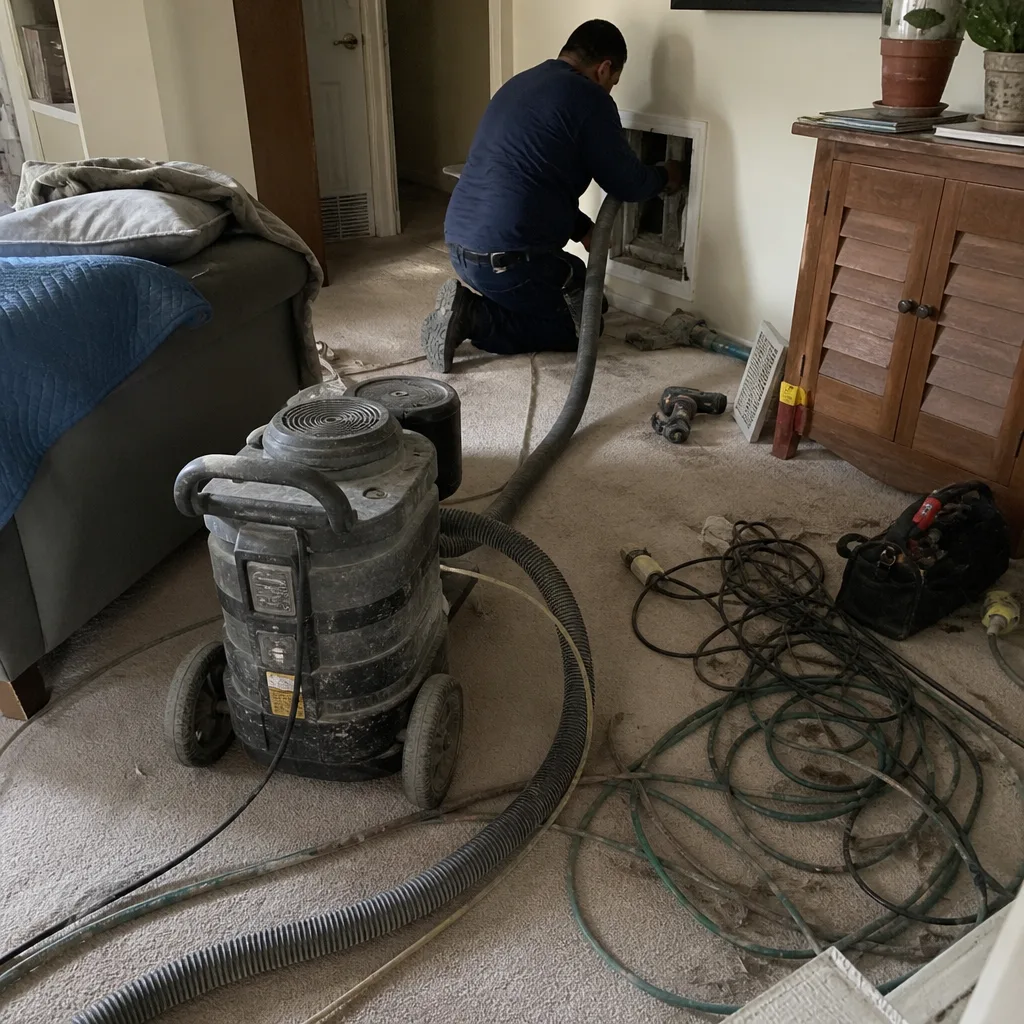 Before
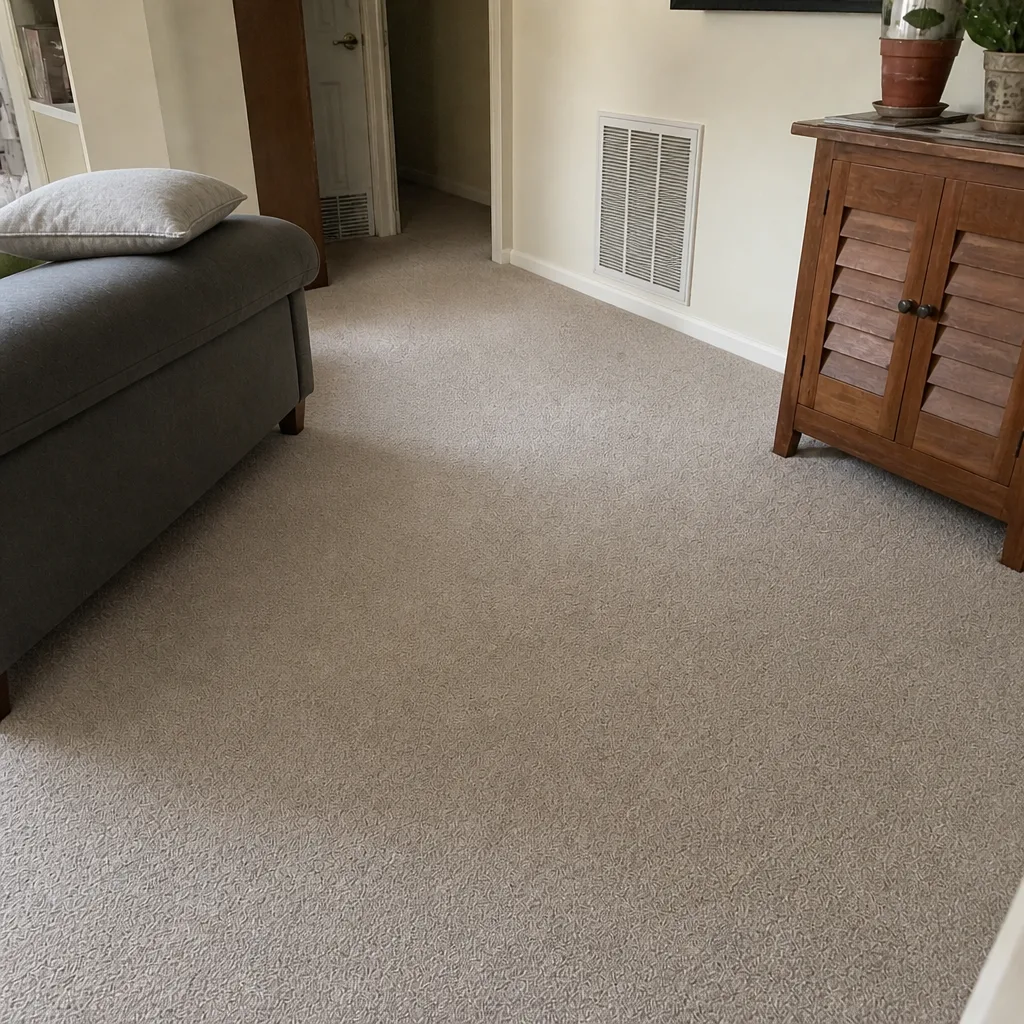 After