
Last updated November 24, 2026
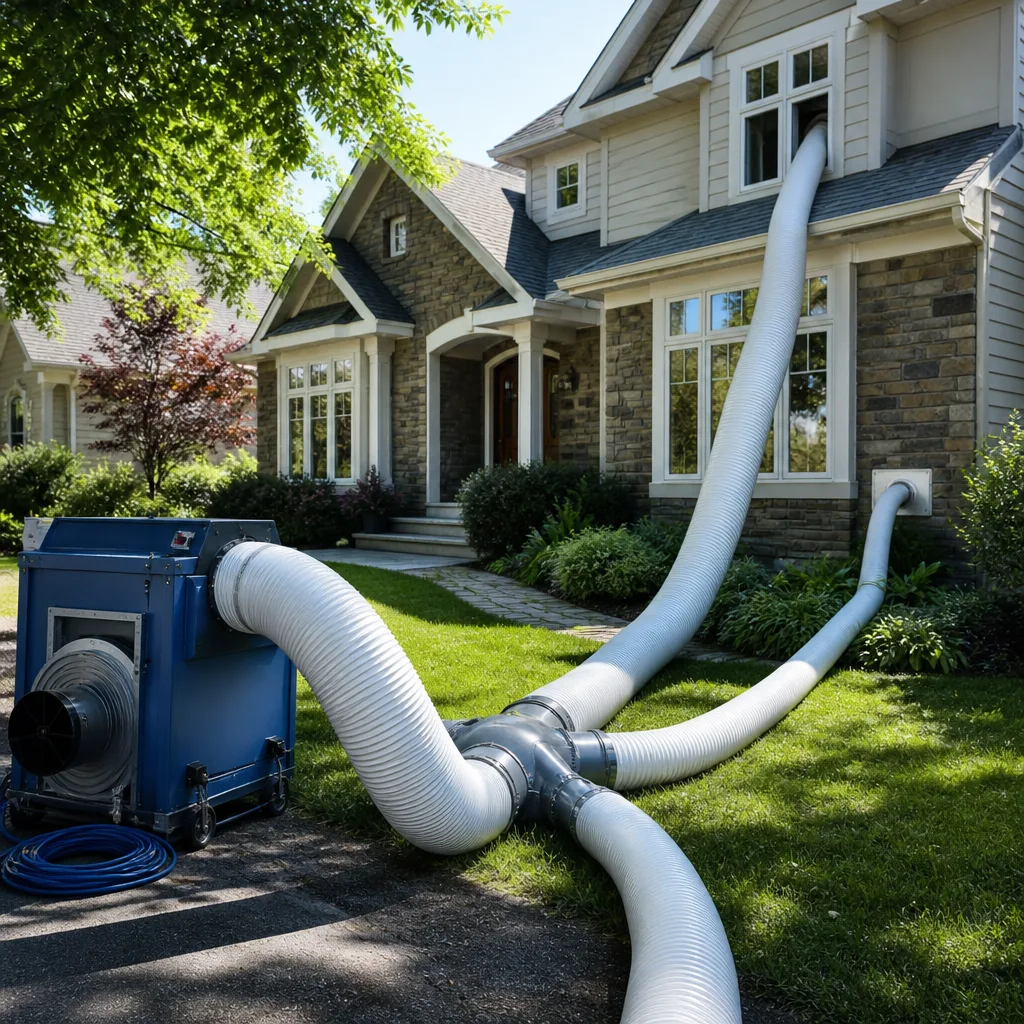 Whole-home duct cleaning
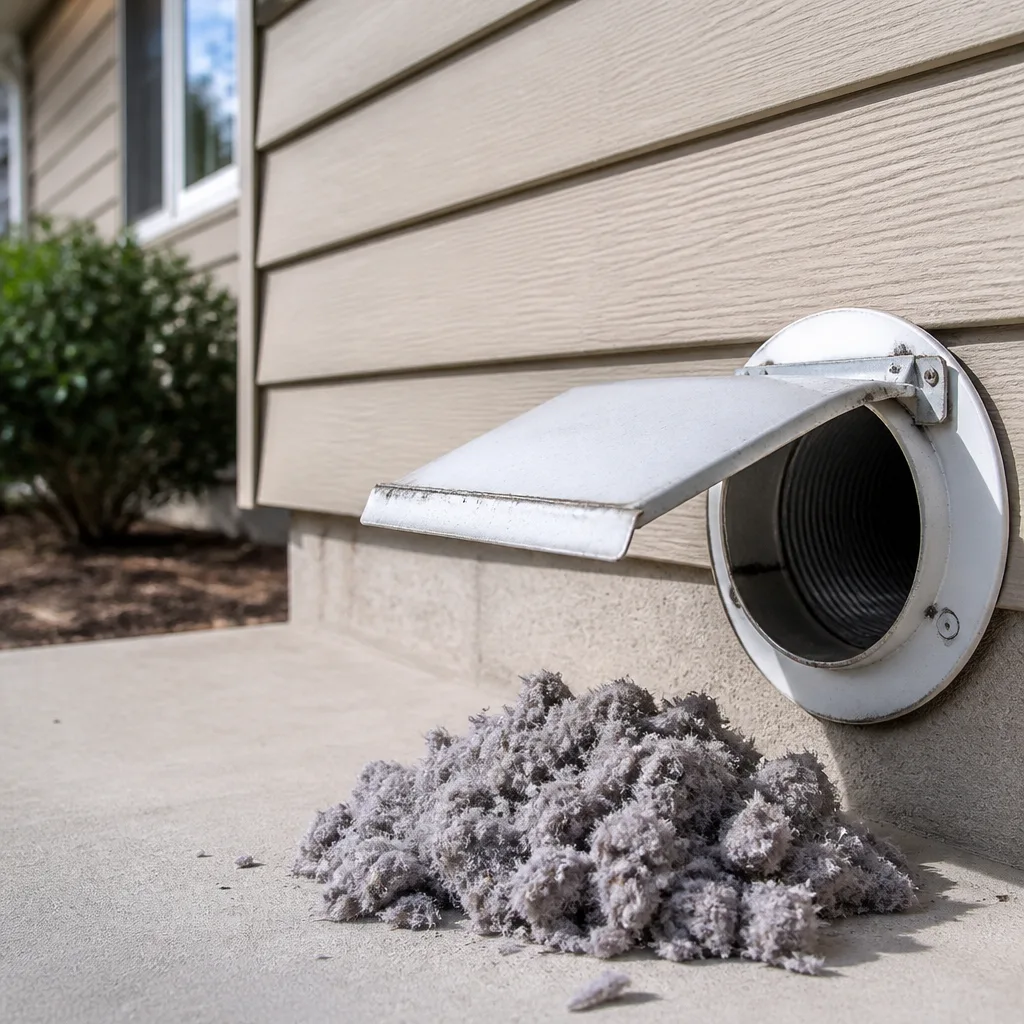 Dryer vent cleaning
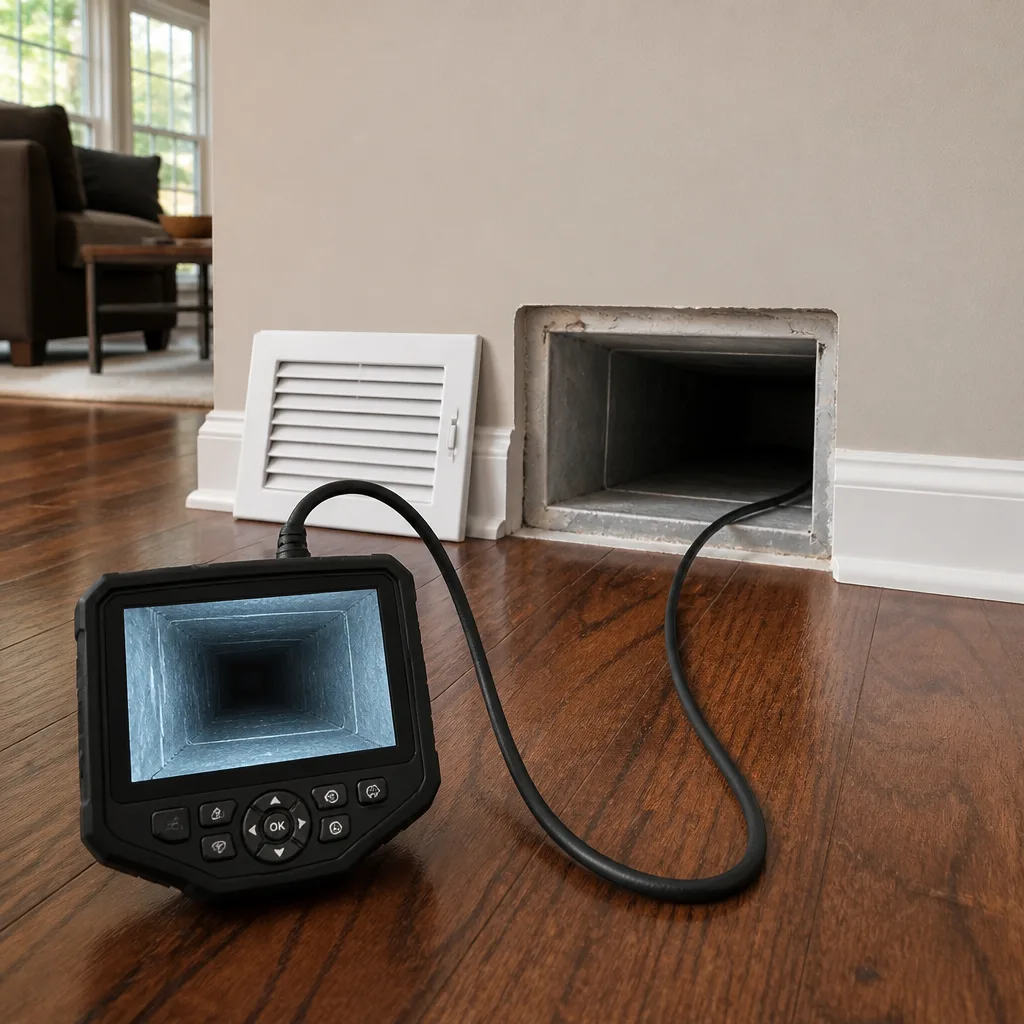 Camera inspection
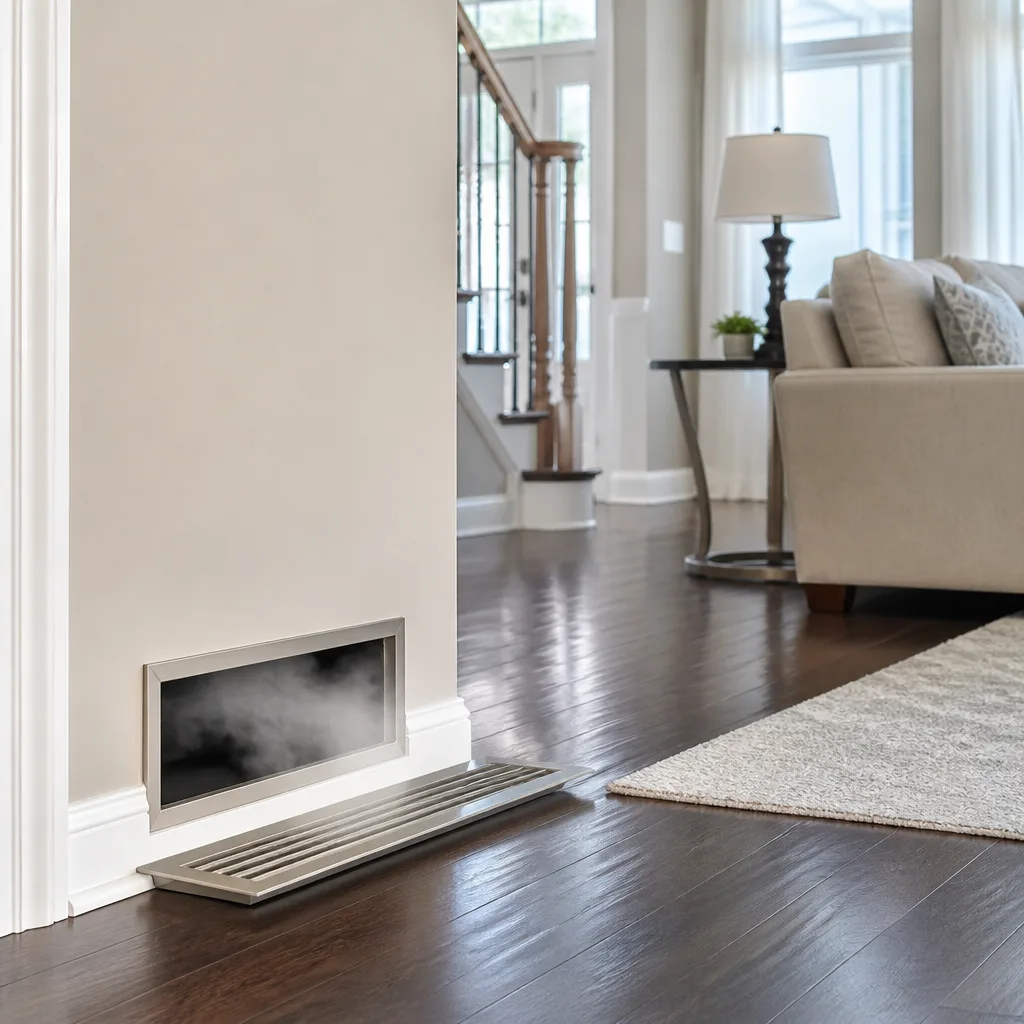 Sanitizing & deodorizing
Whole-system duct and dryer vent check with before-and-after photos - you see exactly what came out of your vents
That "$99 whole-house special" is a bait ad - the real number appears once they are in your hallway, or the "clean" is a shop-vac at the register. We photograph the inside of your ducts before and after instead.
Air Duct Cleaning Permits, Codes & Inspections in French Park, CA: What You Need to Know
Most homeowners never think to pull a permit for duct work because nobody tells them when one is required. The cleaning itself is a maintenance task with no paper trail. But the moment a job turns into repair, replacement, or a modification of the air pathway – sealed joints, a rerouted trunk line, a resized return – you’ve crossed into permitted territory under California’s mechanical code. That gap between cleaning and construction is where trouble hides: at resale, during an insurance claim, or when a city inspector looks at a system that was altered without a record. In French Park, where older housing stock and tight lot lines make duct changes common, that distinction matters. This guide walks through what’s permitted, what isn’t, how chemical products are regulated, and how to check the history of duct work before you hire anyone.
Quick Answer
In French Park, CA, routine air duct cleaning by itself does not require a building permit, but duct repair, replacement, or modification of the air pathway usually does under the California Mechanical Code, and any HVAC alteration that changes system performance can trigger Title 24 duct sealing requirements. Verifying permit history before you hire a contractor protects your insurance claim and your home sale disclosure obligations.
Styles & brands we work with
- Whole-home duct cleaning
- Dryer vent cleaning
- Camera inspection
- Sanitizing & deodorizing
Table of Contents
- Does air duct cleaning require a permit in French Park?
- What the California Mechanical Code says about duct work
- Title 24 duct sealing and how cleaning reveals leakage
- CARB, EPA, and what’s approved inside your ducts
- How unpermitted duct work affects insurance and resale
- How to verify permit status before you hire
- What an inspection of duct work actually covers
- Common mistakes to avoid
Does air duct cleaning require a permit in French Park?
No. Cleaning the inside of existing ductwork is maintenance, not construction, and the City of French Park does not issue permits for it. There’s no inspection, no plan check, no fee. That’s the straightforward half of the answer.
The complicated half: many jobs that start as cleaning don’t stay as cleaning. When a technician pulls a register and finds a disconnected run, a crushed flex duct in the attic, or a joint that’s been leaking for years, the fix is a repair. And repair of duct work is treated differently from cleaning it. Under the California Mechanical Code, which California adopts as its model mechanical standard, duct systems are part of the mechanical installation – and altering a mechanical installation generally requires a permit unless a specific exemption applies.
What that means in practice:
- Cleaning existing ducts – no permit.
- Sealing joints with mastic or approved tape during cleaning – generally considered maintenance; confirm with the building department if the scope grows.
- Replacing a section of flex or rigid duct – typically permit-required.
- Adding, removing, or rerouting a run – permit-required.
- Resizing a trunk line or return – permit-required, and likely to trigger Title 24 review.
- Replacing the air handler or furnace – permit-required, separate from any duct work.
French Park’s building department can confirm what applies to your specific address. When we quote an air duct cleaning job and find a repair is needed, we tell you plainly whether it’s a permit item. What we won’t do is quietly seal a modification and hand you a clean-looking system that fails inspection two years down the road.
What the California Mechanical Code says about duct work
The California Mechanical Code governs how duct systems are installed, supported, sealed, and connected. It’s not a document most homeowners read, but four provisions come up again and again on duct jobs in French Park.
Materials and closures. The code specifies approved duct materials and approved closure systems – mastic, approved tapes, and mechanical fasteners at joints. The foil “duct tape” people buy at hardware stores is not automatically an approved closure. When we repair and seal duct work, we use materials that meet the standard, and we note what we used.
Support and sag. Flexible duct has to be supported at intervals specified by the manufacturer and the code, and it can’t sag. Sagging flex in a hot attic collapses the air pathway and creates a low point where condensation and debris collect. In French Park’s older homes, we find this constantly on runs that were installed fast and never checked.
Connections to the air handler. The connection at the plenum and the air handler is a common leak point and a code-inspected item. A loose connection there is not just inefficiency; it’s a place where the system pulls attic air into the supply stream.
Prohibited practices. Using the cavity between joists or wall studs as a return-air plenum without proper lining and sealing is restricted. If a French Park home was modified that way and a cleaning job reveals it, that’s a repair item that needs to be done correctly, not patched over.
Duct repair and sealing is a service we offer precisely because cleaning without addressing air duct cleaning in French Park system integrity just re-contaminates a leaky system. Cleaning the whole pathway means closing the gaps that let debris back in.
Title 24 duct sealing and how cleaning reveals leakage
Title 24 is California’s energy code, and it includes duct sealing and duct leakage requirements that apply when HVAC systems are altered. The key phrase is “when altered.” A pure cleaning doesn’t trigger it. A repair, replacement, or modification that affects the system’s performance can.
Here’s the sequence that catches homeowners off guard:
- A cleaning job begins and the technician tests or inspects the duct system.
- Significant leakage is documented – disconnected joints, torn flex, gaps at the plenum.
- The scope becomes a repair, not just a cleaning.
- Because the system is being altered, Title 24 duct sealing requirements now apply to the work.
- Depending on the scope, the duct system may need to meet a leakage threshold verified by a duct leakage test.
That last step is the one nobody anticipates. A duct leakage test involves pressurizing the duct system and measuring how much air escapes. It’s not part of cleaning. It is part of a permitted alteration in many cases.
None of that should discourage you from having your ducts cleaned. What it means is this: if a cleaning reveals real leakage, you should know before the job is booked that the fix may be a permitted, tested repair rather than a quick seal. Our technicians have up to 10 years of experience identifying the difference between normal wear and a code-significant defect, and we flag it in the estimate rather than after the fact.
Our approach is to repair and seal what we find right then – within a proper scope. If that scope crosses into permitted work, we’ll say so. The alternative is a sealing job that looks fine and fails a test at resale.
CARB, EPA, and what’s approved inside your ducts
Not every product sold for duct sanitizing is legal to use inside a duct system in California. The California Air Resources Board (CARB) regulates volatile organic compound content in consumer and commercial products, and the U.S. EPA regulates antimicrobial pesticides used on hard surfaces, including duct interiors, under the Federal Insecticide, Fungicide, and Rodenticide Act.
Two practical implications:
- Any antimicrobial or sanitizing product applied inside ducts should be registered for that use. The label tells you what surfaces and applications it’s approved for. Applying a product outside its registered use is a compliance problem, not a cleaning shortcut.
- Encapsulant coatings used to seal duct interiors have their own VOC and registration considerations. Not every coating is suitable for duct interior use, and some coatings marketed for HVAC use don’t meet California’s VOC limits.
How to verify a contractor’s chemical compliance:
- Ask what sanitizing product will be used inside the ducts and request the product’s EPA registration number.
- Ask whether the product is registered for duct interior use specifically, not just for hard non-porous surfaces.
- Ask whether any encapsulant is being proposed and how it complies with California VOC limits.
- Ask for the manufacturer’s safety data sheet for anything applied in your home.
- If the answer is vague or the contractor can’t produce the documentation, do not let the product inside your ducts.
We apply Guardsman-grade sanitizing treatments to duct interiors on request, and we use Abatement Technologies negative-air machines when the situation calls for containment-grade cleaning – for example when mold or heavy allergen contamination is present. Negative air keeps the work zone contained so contaminants don’t drift into living spaces during the job. When we discuss sanitizing, we name the product and the registration; if you ask, we show you.
How unpermitted duct work affects insurance and resale
Unpermitted duct work is a paper problem until it becomes a money problem. Two moments bring it to the surface: an insurance claim and a home sale.
Insurance. Homeowners policies typically cover sudden, accidental damage and exclude damage caused by faulty workmanship or code-noncompliant construction. If a claim involves a duct system that was altered without a permit, the insurer’s adjuster can point to the unpermitted work as a reason to deny or limit coverage for that portion of the loss. The policy language varies, and this isn’t legal advice, but the pattern is consistent enough that it’s worth knowing before you sign off on a duct repair with no record.
Resale disclosure. California requires sellers to disclose known material defects and known building code violations. If you have unpermitted duct modifications and you know about them, the disclosure obligation is real. Buyers’ agents routinely pull permit history at the local building department during the due diligence period. A missing permit for an HVAC alteration shows up, and it becomes a negotiation item – sometimes with a retroactive permit required before closing.
The cure is straightforward: keep the paper. If a repair requires a permit, get the permit, get the inspection, and keep the finaled record with your home files. It’s the difference between a clean system and a clear title.
How to verify permit status before you hire
Before you hire anyone to touch duct work in French Park, verify what happened before they arrived. The steps below use the city building department’s public records.
- Ask the contractor for the address and permit number of any permitted duct work they can cite. A professional contractor will have permit records. A discount coupon crew often won’t.
- Call the French Park building department and request a permit history for the address. Most jurisdictions provide this on request, sometimes for a small copy fee.
- Cross-reference the permit history against the work you can see. If a section of duct looks new but there’s no permit, ask why.
- Check the final inspection status. A permit that was pulled but never finalized is not the same as a permitted, inspected job.
- Ask specifically about Title 24 compliance. For HVAC alterations in the last several years, there should be a compliance document (a CF1R or a registered compliance form) on file.
- Document your findings. Save the permit history and any inspection records with your home files, especially if you plan to sell in the next several years.
For previous owners’ work, this is the only honest way to know. For your own work, it’s the way to leave a clean record for the next owner. Our team walks French Park customers through this process when a job reveals a question, because we’d rather answer the question than leave you holding an unpermitted surprise.
What an inspection of duct work actually covers
A mechanical inspection of duct work is not a cleaning. The inspector isn’t checking for dust. They’re checking that the installation meets code, that the materials are approved, that the supports and closures are correct, and that the system performs to the standard that applies to it.
What an inspector typically looks at:
- Approved duct materials and closure methods at every joint.
- Support intervals and sag on flexible duct.
- Connections at the air handler, plenum, and registers.
- Return-air pathway construction, especially where building cavities are used.
- Sealing at penetrations and where ductwork passes through conditioned/unconditioned boundaries.
- Duct leakage test results, when the scope calls for them.
- Combustion air and venting, if the system contains a gas furnace.
What the inspection does not cover: whether the ducts were cleaned, whether the previous cleaning was done well, or what’s actually inside them. That’s a separate question – and it’s the one HVAC cleaning answers with a camera and before-and-after photos of your own system.
We’ve seen inspections fail for small technical points – a missing closure at a joint, a sagging flex run, a support interval one step off. They’re easy to get right the first time and annoying to chase down after a failed inspection. Our before-and-after photos show you what the ducts and components looked like before and after the work, and the written estimate sets the final price, so what you pay matches what was agreed.
Common Mistakes to Avoid
- Assuming cleaning requires a permit. It doesn’t, and a contractor who tries to sell you one on a cleaning job is either confused or padding the bill. Cleaning is maintenance.
- Assuming repair doesn’t. A repair, replacement, or modification can require a permit, and a job that quietly crosses from cleaning into repair without a permit is a paper problem later. Get it on record.
- Skipping the duct leakage question when you know there’s leakage. If a cleaning reveals significant leakage and the fix is a modification, Title 24 duct sealing requirements apply. Ask about testing before the work starts.
- Letting an unverified sanitizing product into your ducts. California’s CARB and EPA rules mean products vary. Ask for the EPA registration number and the safety data sheet before the product goes in.
- Failing to check permit history before resale. Buyers’ agents pull the record. A missing permit for an HVAC alteration in a French Park home is a negotiation item, and getting a retroactive permit before closing is far easier than after.
- Trusting a coupon price as the final price. A per-vent coupon doesn’t cover a full-system cleaning, and it doesn’t cover a repair. A written estimate per system does.
- Hiring a contractor who can’t name the equipment. If a contractor can’t tell you what machine, what vacuum, and what containment approach they’re using, they can’t tell you much about how they’ll handle your system.
See the difference
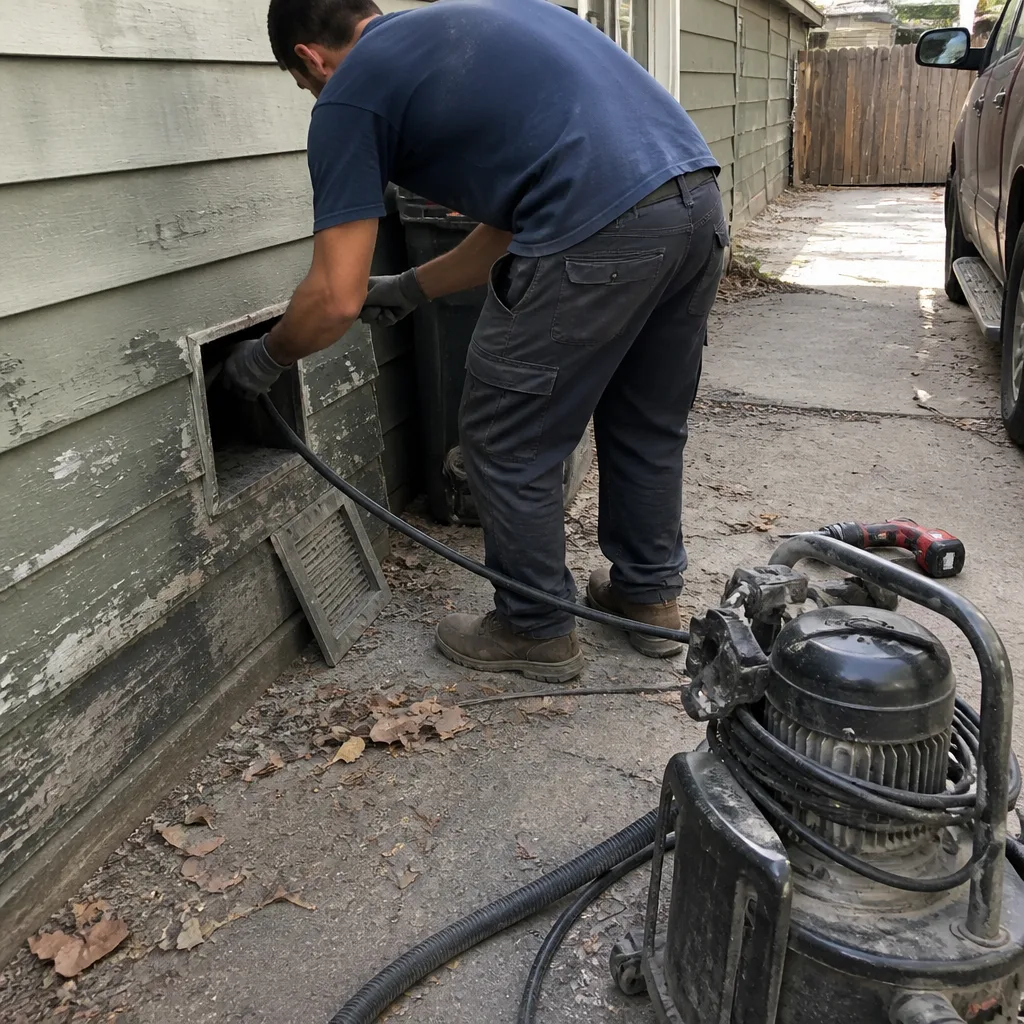 Before
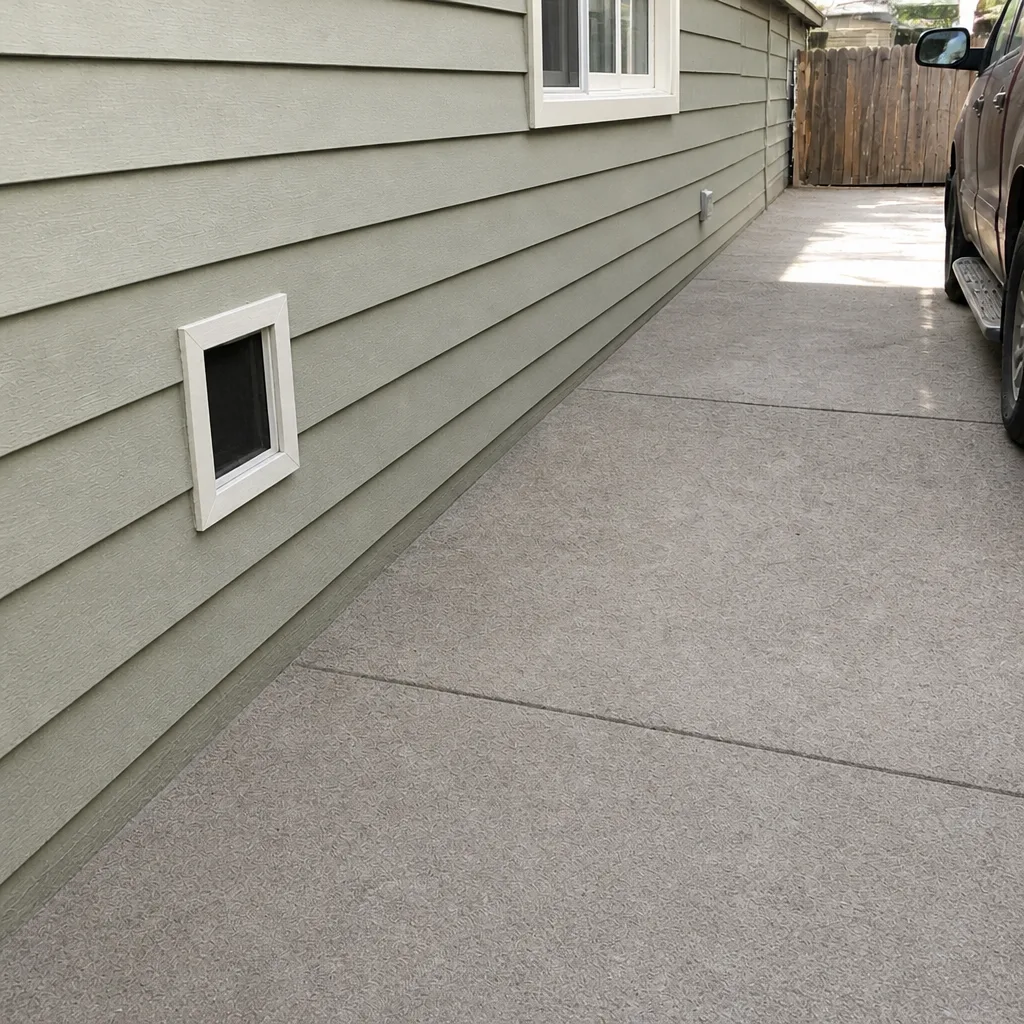 After
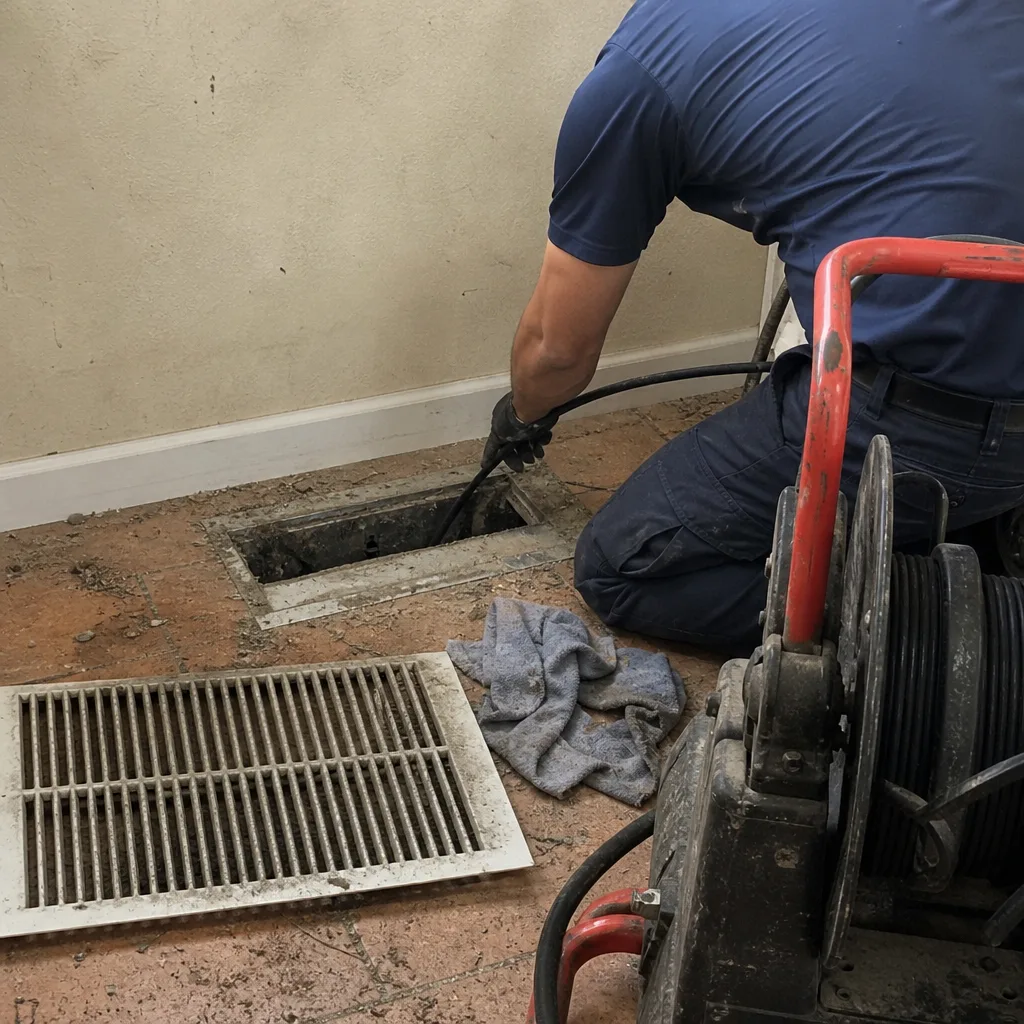 Before
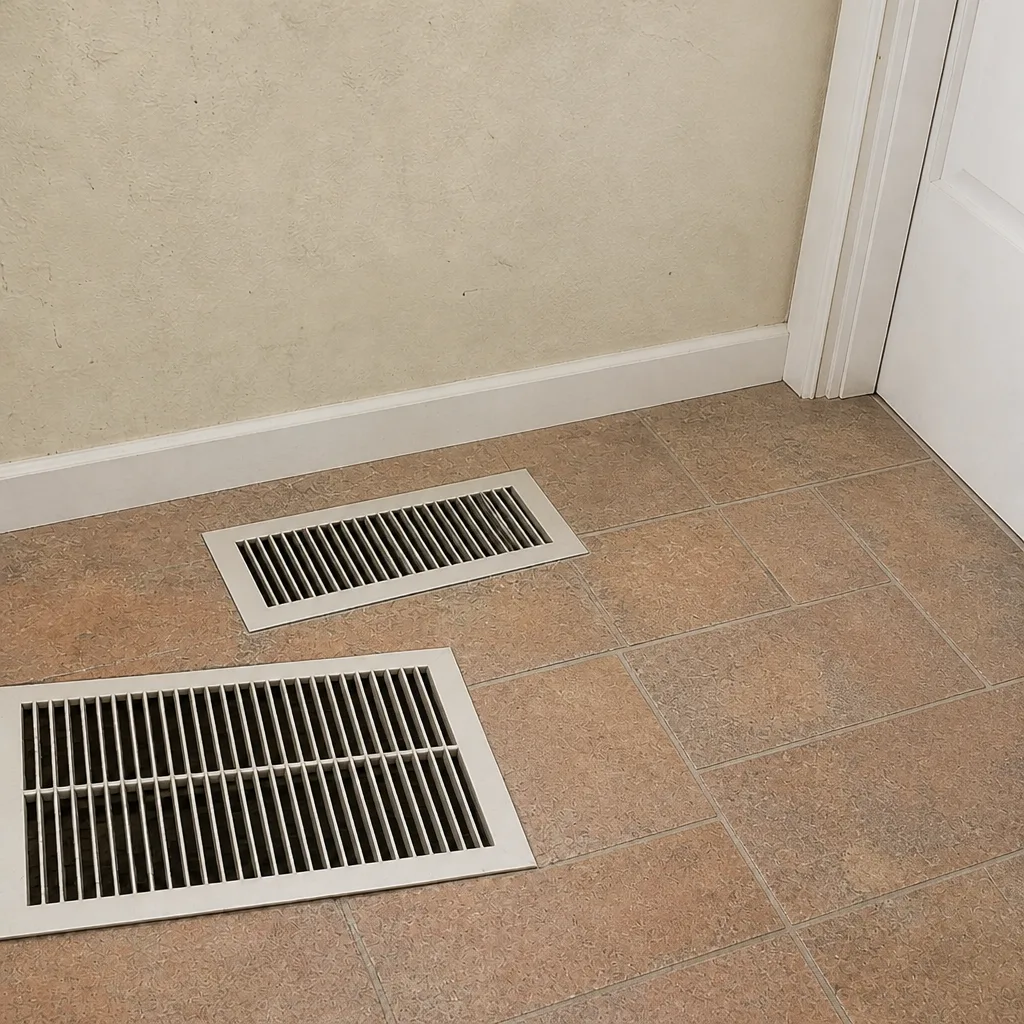 After
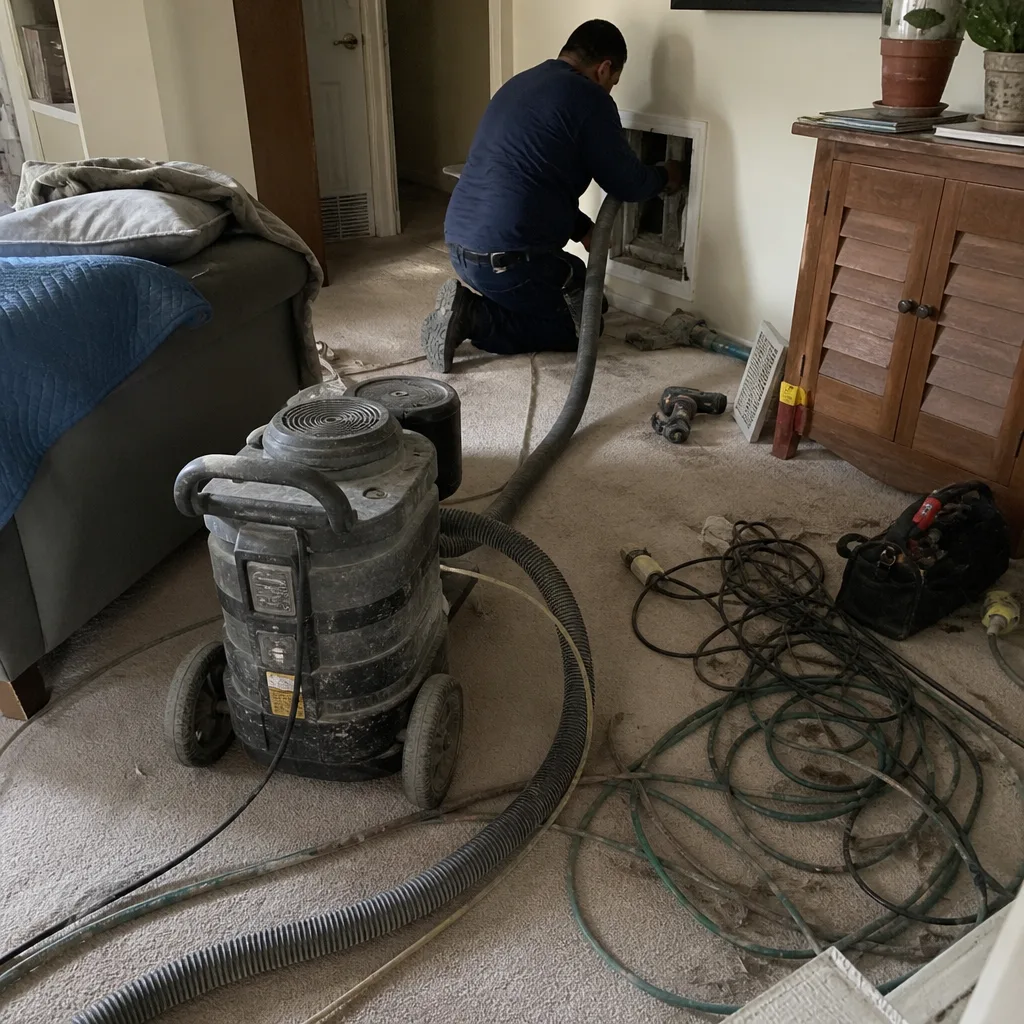 Before
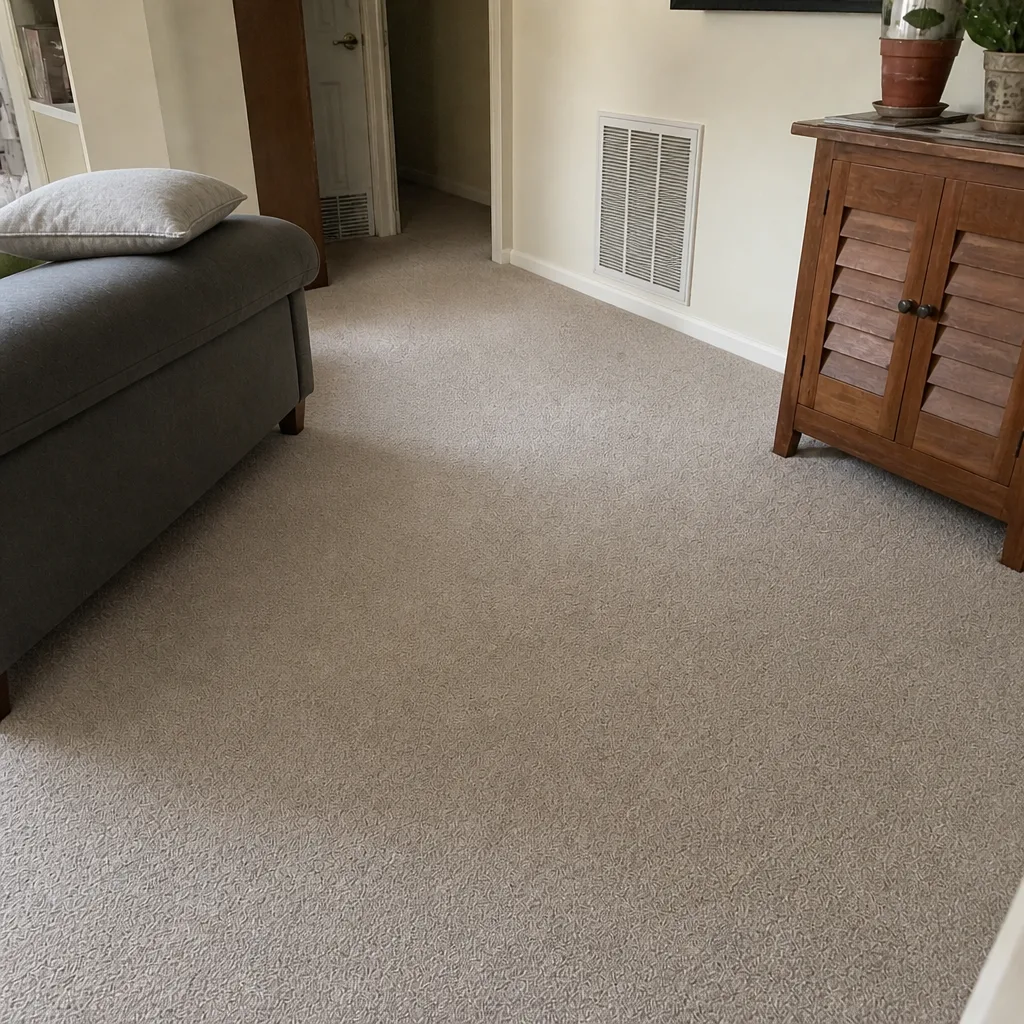 After
When to Call a Professional
Call a professional when you smell something musty or dusty coming from the registers, when visible dust collects on surfaces within days of cleaning, when you’re getting unexplained allergy symptoms in a home you’ve lived in for years, or when you’re preparing to sell or buy a home in French Park and the duct history is unclear. Call when a cleaning quote keeps growing after you’ve booked it – that’s the moment a written estimate matters most. Call when the ducts haven’t been touched in years and you can’t find a service record. We diagnose the whole air pathway rather than just cleaning what’s visible at the register, and we include dryer vent and dryer vent cleaning in the same visit when that’s the right call. If the job reveals a repair, we flag it and explain the permit question before we touch it. Air Duct Cleaning French Park offers free estimates in French Park. Call (833) 509-5212.
Frequently Asked Questions
No. Routine air duct cleaning is maintenance and does not require a building permit in French Park. Cleaning existing ductwork isn’t a construction activity, so no plan check or inspection applies. If the estimate turns into repair, replacement, or a modification of the system, that’s the point where a permit may be required, and we’ll tell you which it is.
It depends on the scope. Sealing joints with approved mastic during routine maintenance is generally treated as maintenance. Replacing sections of duct, rerouting runs, or resizing trunks is construction, and typically requires a permit under the California Mechanical Code. When you call, we ask enough questions up front to tell you which category your job falls into. Call (833) 509-5212 for a free estimate.
Title 24 is California’s energy code, and it includes duct sealing and duct leakage requirements that apply when HVAC systems are altered. A pure cleaning does not trigger it. A repair or modification that changes system performance can. If your cleaning reveals significant leakage that needs to be fixed, we walk you through what Title 24 requires for that repair before the work starts.
Ask for the product name, the EPA registration number, and the safety data sheet before the product goes into your ducts. Any antimicrobial applied inside a duct system should be registered for that use, and any encapsulant should comply with California VOC limits through CARB. A contractor who can’t produce those documents is not compliant. Call (833) 509-5212 if you want to talk through what we use before booking.
Pricing is per system, not per vent, and it’s set by a written estimate before work starts. That’s how you avoid the coupon bait-and-switch most people worry about – the low coupon figure that turns into a large invoice once the technician is on site. We give one flat price for the system, with before-and-after photos of your own ducts so you know the work was done. Call (833) 509-5212 for a free estimate.
Cheaper quotes usually skip one of the things that make a real cleaning work: the machine, the containment, or the scope. A shop-vac-and-brush outfit will quote lower than a job using a Rotobrush rotary-brush system and Nikro HEPA-rated vacuum equipment, but the result isn’t the same. Before comparing prices, compare the equipment, the containment approach, and the written scope.
It depends on the home. Homes with pets, recent renovations, or visible dust on registers and surfaces benefit from more frequent cleaning than homes with none of those. A practical rule is to have the system inspected when you notice dust, musty odor, or efficiency changes, and to clean when the inspection shows it’s needed. In French Park, where dust from seasonal winds can reach the registers, we often recommend an inspection schedule based on what the system shows. Call (833) 509-5212 for a free estimate.
The Bottom Line
Air duct cleaning itself is permit-free in French Park. Duct repair, replacement, and modification generally are not – and the places where the two cross over are the ones that cause problems later. Title 24 duct sealing requirements can apply when a repair alters system performance. CARB and EPA rules govern what products can legally go inside your ducts, so verify the registration before anything is applied. Unpermitted work surfaces at insurance claims and home sales, and keeping the permit record is the only reliable fix. When you hire, ask about equipment, containment, and permits, and expect the answers to match the paper.
Air Duct Cleaning French Park handles the full air pathway – cleaning, dryer vent, HVAC cleaning, repair and sealing, and air quality and sanitizing – with professional-grade equipment. Our technicians have up to 10 years of experience, we work with verified permit records, and we document the before and after with photos of your own system. The written estimate sets the final price. Call (833) 509-5212 for a free estimate. We answer 24/7. Fast dispatch from 7am to 7pm, Sunday through Friday.
Written by the team at Air Duct Cleaning French Park.